
Fully online technical training designed around real industry demand, so you can specialize at your own pace.
11/07/2026
Start Date
7 months
Duration
750
Total Hours
8 Modules
Program
Duration
Total Hours
Program
Start Date
$3515
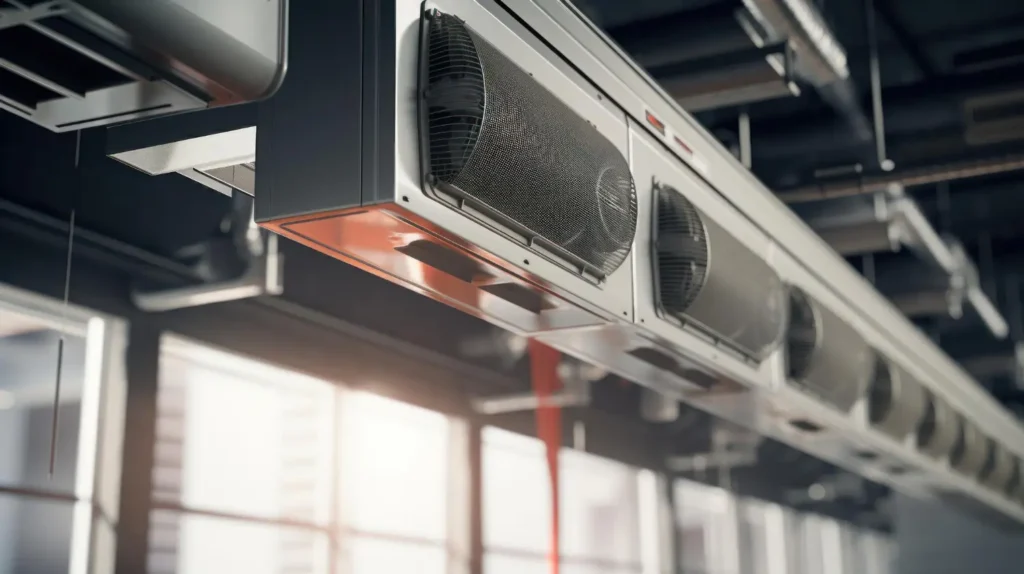
ICTESS’s Certificate in HVAC Building Automation and Controls trains specialists in the regulation, supervision, and optimization of HVAC systems using advanced control technologies. The program moves from the fundamentals of PID control to full integration with building management systems (BMS) and cloud-based monitoring platforms.
You’ll learn automatic control principles applied to real HVAC equipment: configuring control loops, tuning controllers, and programming strategies for VRV/VRF systems, air handling units, and boilers. You’ll work with industrial communication protocols such as BACnet and Modbus, design supervisory dashboards, and apply cybersecurity practices to operational technology (OT) networks. The program concludes with a Capstone Project in which you’ll design a complete control system for an HVAC installation.
The Certificate in HVAC Building Automation and Controls answers the growing demand for technicians who can integrate HVAC systems into building automation platforms. The HVAC industry is shifting toward connected equipment that calls for professionals who combine thermal engineering knowledge with automatic control, industrial communications, and digital energy management.
The program’s purpose is to train professionals who can design and implement control systems for complete HVAC installations. You’ll learn to select sensors and actuators based on technical requirements, configure controllers with efficient regulation strategies, establish communications between devices using standard protocols, and supervise operation from BMS or cloud platforms with trend analysis and alarm management.
The training also covers the configuration software used in building automation, along with diagnostic tools for industrial networks. The program culminates in a Capstone Project where you’ll apply every competency to the design of a complete automation system for a real HVAC installation.
The Certificate in HVAC Building Automation and Controls qualifies you for specialized technical roles at building automation firms, BMS integrators, HVAC equipment manufacturers, and facilities maintenance departments. You can work as a building automation technician, BMS programmer, HVAC systems integrator, or technical operations lead for smart buildings.
The training prepares you to run complete automation projects: designing the control architecture, selecting sensors and actuators to technical specifications, programming regulation strategies for different equipment types, configuring BACnet and Modbus communications, and building supervisory interfaces with custom dashboards.
You’ll also develop skills to diagnose faults in industrial control networks, apply cybersecurity measures across OT systems, and optimize energy consumption through integration with solar generation and demand management strategies. The hands-on approach lets you apply what you learn directly to real installations in the field.
Study from anywhere with no commute required. Balance your technical specialization with your current professional schedule.
Organize your study around your own availability. Move through modules on your schedule and revisit whatever needs reinforcement.
Learn BACnet, Modbus, and BMS configuration, the same technologies systems integrators use on professional projects.
Technical video lessons, control loop simulations, forums with specialized tutors, and hands-on programming exercises.
With ICTESS, you’ll receive specialized technical training focused on professional practice and built to help you master the automation and control competencies the HVAC and smart building sector demands.
What you'll achieve
Design PID control loops and regulation strategies for HVAC systems, tuning parameters to dynamic response and comfort and energy efficiency requirements.
Select and integrate temperature, humidity, pressure, and air quality sensors along with actuators and motorized valves into distributed control architectures.
Configure communications using BACnet MS/TP, BACnet IP, and Modbus RTU/TCP protocols, implementing gateways to integrate multi-vendor equipment into BMS platforms.
Program control strategies specific to VRV/VRF systems, air handling units (AHUs), and boilers, optimizing operating cycles and energy consumption.
Develop supervisory dashboards with alarm management and trend analysis, and apply baseline cybersecurity measures across building control networks.
The HVAC industry is undergoing rapid digital transformation, and equipment no longer operates in isolation. It’s now integrated into full building automation ecosystems. Building energy codes such as ASHRAE 90.1 and IECC provisions call for control systems that can optimize consumption and report real-time operating data.
Shortage of hybrid thermal-control talent: the job market needs professionals who combine HVAC knowledge with industrial automation skills. Many HVAC technicians lack training in communication protocols and controller programming, while control specialists often lack a deep grasp of thermal system physics.
Growth in the smart building market: investment in smart buildings is climbing at a double-digit rate every year, driven by decarbonization goals and pressure to cut operating costs. HVAC-integrated BMS platforms account for the largest share of building automation spending, generating steady demand for skilled talent.
Cybersecurity as a professional requirement: connecting HVAC systems to IP networks and cloud platforms introduces vulnerabilities that require professionals trained in OT security. This skill, still uncommon in the field, is becoming a key differentiator.
Completing the Certificate in HVAC Building Automation and Controls positions you at the intersection of two growing fields: professional HVAC and smart building automation.
Access to highly specialized technical roles: you can pursue positions such as building automation technician, BMS programmer, HVAC systems integrator, or control lead on complex installations.
Command of industry-standard protocols: working with BACnet and Modbus, the two leading building automation protocols, lets you support equipment from any manufacturer and take part in the multi-vendor integration projects that are increasingly common in the field.
Ability to optimize energy efficiency: you’ll build skills to reduce consumption through advanced control strategies, integration with renewable generation, and smart demand management, priorities that carry growing weight with sustainability-focused employers.
Recognized professional certificate: the ICTESS Professional Certificate backs your technical specialization in HVAC automation, strengthening your position in the job market and validating your skills to employers in the field.
This certificate is designed for technical professionals looking to specialize in HVAC automation and control. Recommended profiles include:
Program details

The Capstone Project is the culminating stage of the program and brings together every technical competency developed throughout the course. It involves designing a complete automation system for an HVAC installation, from defining the control architecture to configuring the supervisory system, using the professional methodologies and technical tools applied across the industry.
The project addresses an installation that may include VRV/VRF systems, air handling units, boilers, or a combination of equipment depending on the assigned case. You’ll design the control architecture, including controller selection and network topology, specify sensors and actuators to technical requirements, configure BACnet or Modbus communications between devices, program regulation strategies optimized for energy efficiency, and build a supervisory dashboard with alarm management and trend analysis.
The work also includes documenting the cybersecurity criteria applied to the control network, designing integration with solar generation where applicable, and producing a system operations manual. The final documentation must meet the technical depth and professional format expected of BMS integration projects, demonstrating your ability to develop complete HVAC automation solutions.
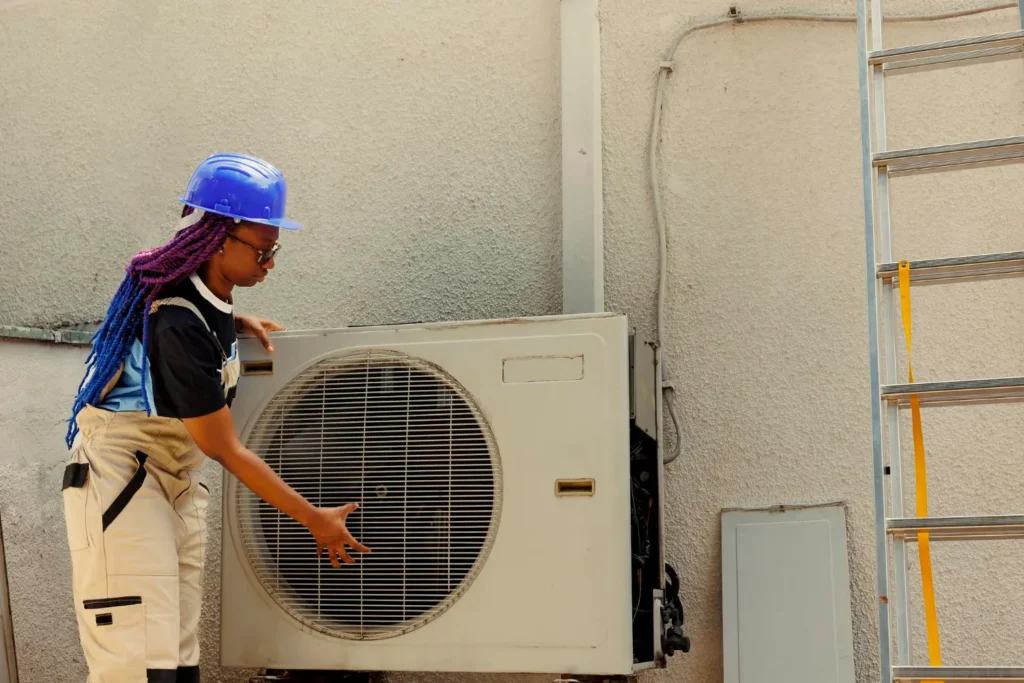
ICTESS’s Certificate in HVAC Building Automation and Controls includes hands-on training with the two leading protocols in building automation: BACnet and Modbus (BACnet MS/TP over RS-485, BACnet IP over Ethernet, Modbus RTU over RS-485, and Modbus TCP over Ethernet). You’ll learn to configure devices, set up master-slave communications, troubleshoot network issues, and use gateways to integrate equipment from different manufacturers. You’ll also work with controller configuration environments, industrial network diagnostic tools, and BMS supervisory platforms, where you’ll build dashboards, configure alarms, and analyze operating trends. These are the standard technologies systems integrators use on professional smart building projects.
Software programming experience isn’t required, but technical training in HVAC, electrical work, or electronics, along with familiarity with basic control concepts, is recommended. The program is built for HVAC technicians looking to expand into automation, so the programming content focuses on controller and BMS configuration rather than software development from scratch. You’ll need the ability to read electrical schematics, understand regulation principles (on/off, proportional, PID), and use everyday computer tools. Industrial automation technicians without HVAC experience can also enroll, as long as they’re ready to pick up the HVAC fundamentals covered within the context of control strategies.
The ICTESS Professional Certificate validates your technical specialization in HVAC automation and control and is recognized by employers in the field as high-value practical training. While it isn’t a formal academic degree, the certificate documents specific, in-demand technical skills: configuring BACnet and Modbus protocols, programming control strategies for HVAC equipment, building supervisory interfaces on BMS platforms, and applying cybersecurity practices to OT networks. Systems integrators, HVAC equipment manufacturers, and building maintenance departments place particular value on this practical training because it demonstrates command of real industry tools and integration project experience.
This Certificate in HVAC Building Automation and Controls stands out for its hybrid approach, combining HVAC knowledge with industrial automation skills applied specifically to the HVAC field. Traditional HVAC courses skip communication protocols and controller programming, while industrial automation courses skip the specifics of thermal systems; this program brings both disciplines together. The content covers control strategies built for real HVAC equipment (VRV, AHU, boilers), not generic industrial process examples. It also addresses increasingly relevant topics such as building system cybersecurity and integration with solar generation for demand management, skills rarely covered in conventional training in this field.