
Fully online technical training designed around real industry demand, so you can specialize at your own pace.
10/31/2026
Start Date
2 months
Duration
100
Total Hours
6 Modules
Program
Duration
Total Hours
Program
Start Date

ICTESS’s Course in Multisplit and VRV System Start-Up and Commissioning trains technicians who specialize in the start-up, configuration, and validation procedures for HVAC installations using variable refrigerant flow technology. The program covers both residential multisplit systems and medium to large commercial VRV/VRF installations.
You will learn the technical commissioning protocols required by manufacturers and industry standards: verifying vacuum levels and refrigerant circuit integrity, charging refrigerant by weight and subcooling measurement, configuring control parameters and communication between units, balancing airflow for comfort, and preparing handover documentation. The course includes a Capstone Project in which you will apply every procedure to a complete, real-world commissioning project.
The HVAC industry continues to see steady growth in multisplit and VRV/VRF installations across residential, commercial, and institutional buildings. These systems require technicians who master the specific start-up protocols involved, since an incorrect configuration leads to poor performance, excessive energy use, premature failures, and dissatisfied customers.
This course trains professionals to correctly execute every phase of a variable refrigerant flow system’s start-up: verifying vacuum quality and circuit tightness, calculating and performing the refrigerant charge based on line length and the number of indoor units, configuring communication addresses and operating parameters, balancing airflow distribution for uniform temperatures, and running the functional tests that confirm proper system operation.
The training includes hands-on use of professional diagnostic instruments (digital manifold gauges, vacuum gauges, precision scales, anemometers) and manufacturer configuration software, culminating in a Capstone Project in which you will develop a complete start-up protocol applying every skill acquired.
This course qualifies you for specialized technical roles at HVAC installation companies, manufacturer-authorized service centers, full-service building maintenance companies, and facilities departments at large corporations. You can work as a start-up technician, installation commissioning lead, commissioning technician, or VRV/VRF systems specialist.
The training prepares you to manage the entire start-up process, from initial verification through customer handover: checking refrigerant circuit vacuum and integrity, performing the refrigerant charge to technical specifications, configuring communication addresses and parameters between units, balancing airflow for comfort across every zone, and preparing technical handover documentation.
You will also gain skills to diagnose problems during start-up, interpret manufacturer error codes, recommend configuration adjustments to optimize performance, and confirm that an installation meets its design parameters. The hands-on approach lets you apply this knowledge immediately to real installations.
Study from anywhere with no commuting required. Balance your technical specialization with your current professional career.
Organize your studies around your own schedule. Move through the modules whenever suits you best and revisit anything you need to reinforce.
Learn with the same diagnostic tools and technical procedures used by professional service teams in the field.
Technical video lessons, manufacturer manuals, forums with specialized tutors, and hands-on configuration exercises.
With ICTESS, you receive specialized technical training focused on professional practice and designed to help you master the start-up skills the HVAC industry demands. Learn with up-to-date methodology and real commissioning protocols.
What you'll achieve
Verify the correct execution of the refrigerant installation and perform the vacuum process to the levels required by manufacturers and EPA Section 608 regulations to ensure circuit integrity.
Calculate and perform the refrigerant charge by weight, verifying it through subcooling and superheat measurements, adjusted for line length and the number of indoor units.
Configure communication addresses, operating parameters, and operation modes in multisplit and VRV systems using diagnostic tools and manufacturer software.
Balance airflow at indoor units by measuring with an anemometer and adjusting fan speeds to ensure uniform temperatures across every zone.
Execute functional test protocols, document commissioning results, and prepare technical handover documentation to professional industry standards.
The HVAC industry has undergone a major technological shift with the widespread adoption of variable refrigerant flow systems. In the United States, VRV/VRF systems have become one of the fastest-growing categories of commercial HVAC installations, particularly in mixed-use, multifamily, and light commercial buildings, and their presence in the residential market continues to expand every year. This shift demands technicians who specialize in these systems’ specific start-up procedures.
Technical Complexity That Demands Specialization: Multisplit and VRV systems integrate advanced electronics, inter-unit communication, inverter-driven variable flow control, and energy management algorithms. An incorrect start-up can cause excessive energy use, erratic operation, compressor and expansion valve failures, and costly customer complaints.
A Training Gap in the Industry: Many installation technicians lack specific training in VRV commissioning, limiting themselves to basic procedures that do not guarantee optimal performance. Companies in the sector report difficulty finding professionals capable of performing complete start-ups to manufacturer standards and EPA Section 608 refrigerant handling requirements.
A Competitive Professional Advantage: Specializing in variable refrigerant flow system start-up sets you apart significantly in the job market. Mastering vacuum protocols, refrigerant charging, communication configuration, and airflow balancing positions you as a go-to professional for medium and high-complexity installations.
Completing the Course in Multisplit and VRV System Start-Up and Commissioning positions you in a technical segment with high demand for qualified specialists. The continued growth of VRV/VRF installations in commercial and residential buildings creates a steady need for technicians who can correctly execute the start-up and validation process.
Differentiating Technical Specialization: Mastering commissioning protocols sets you apart from generalist technicians, since many installation companies subcontract this service to specialists. The ability to correctly configure complex systems with multiple indoor units is a scarce and highly valued skill.
Fewer Callbacks and Complaints: A properly executed start-up prevents the vast majority of premature failures and customer complaints. Mastering these procedures makes you a professional who delivers reliable installations, protecting your company’s reputation and avoiding costly rework.
Access to Manufacturer-Authorized Service Work: VRV/VRF manufacturers require specific training to authorize service technicians. This specialization opens doors to partnerships with leading brands and to projects with greater technical and financial scope.
Recognized Professional Certification: The ICTESS Professional Certificate validates your technical specialization in variable refrigerant flow system start-up, strengthening your position in the job market and demonstrating your skills to employers.
This course is designed for HVAC technical professionals who want to specialize in the start-up and validation procedures for multisplit and VRV/VRF systems. Recommended profiles include:
Program details

The Capstone Project is the culminating stage of the program and represents the practical integration of every technical skill developed throughout the course. It consists of developing a complete start-up protocol for a real or simulated multisplit or VRV installation, from initial verification through the preparation of handover documentation, applying the professional methodologies used in the industry.
The project must address every phase of the commissioning process: verifying the completed refrigerant installation (brazing joints, insulation, supports), the vacuum procedure with recorded levels achieved, calculating the refrigerant charge to manufacturer specifications, configuring communication addresses and parameters between units, balancing airflow with documented measurements, and running functional tests across different operating modes.
The project also includes preparing the start-up report with all recorded parameters, a temperature and airflow measurement report by zone, and usage and maintenance recommendations for the end customer. The final documentation must meet the professional format required by leading service centers and installation companies, demonstrating your ability to execute and document start-ups with technical rigor.
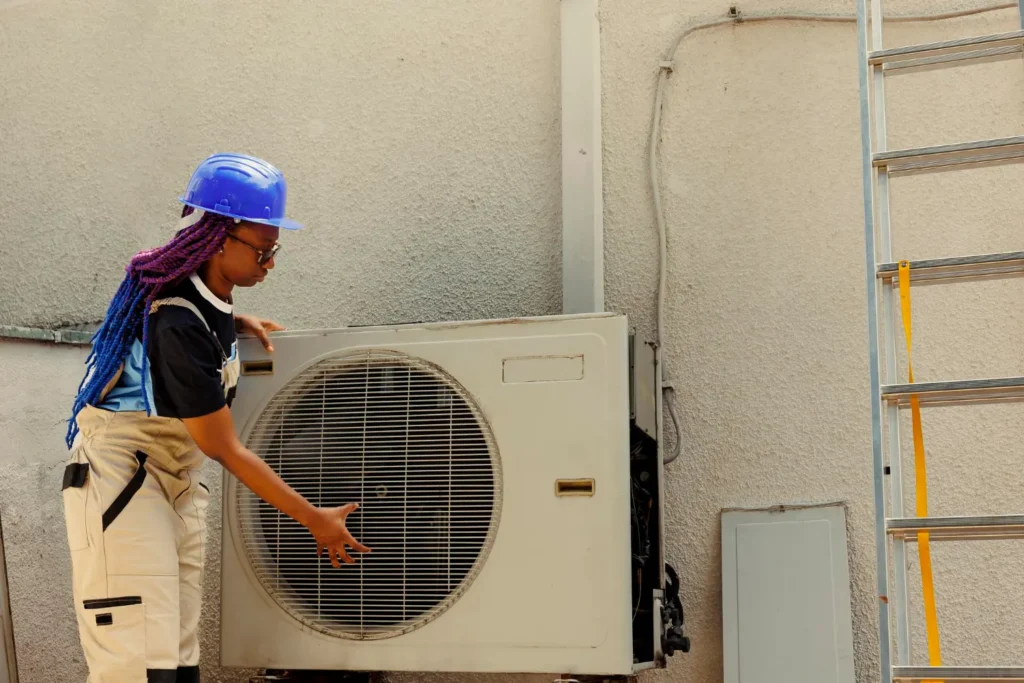
ICTESS’s Course in Multisplit and VRV System Start-Up and Commissioning includes hands-on training with the professional instrumentation used by service teams in the industry: digital manifold gauges with smartphone connectivity for pressure logging, electronic vacuum gauges to verify vacuum levels to manufacturer specifications, precision scales for weight-based refrigerant charging, anemometers for measuring airflow at diffusers, and contact and infrared thermometers to verify supply and return temperatures. You will also learn to use the diagnostic tools and configuration software from leading manufacturers (Daikin, Mitsubishi Electric, LG, Samsung, Toshiba), which let you address units, adjust operating parameters, and read error codes. Mastering this instrumentation is essential for performing professional start-ups and diagnosing problems during commissioning.
Holding an EPA Section 608 certification is not a mandatory requirement to enroll in this course, although it is highly recommended if you plan to work professionally in the field. The course focuses on the technical start-up procedures: verifying installations, charging refrigerant, configuring systems, and balancing airflow. However, to handle refrigerants on real installations, federal regulations under the Clean Air Act require technicians to hold Section 608 certification appropriate to the refrigerant charge of the equipment. Many students already hold this certification through prior professional experience. If you do not, the knowledge you gain about charging and verification procedures will still be useful, and you can apply it once you obtain your certification through an approved certifying organization.
The ICTESS Professional Certificate validates your technical specialization in multisplit and VRV/VRF system start-up and is recognized by companies in the field as high-level supplementary training. While each manufacturer’s authorized service centers typically require their own brand-specific training, the cross-manufacturer knowledge this course provides prepares you to complete that training more easily and demonstrate strong skills during hiring. The certificate documents that you have mastered vacuum procedures, refrigerant charging, communication configuration, airflow balancing, and testing protocols, skills common across manufacturers even though each brand has its own particularities.
This course stands out for its specific focus on the commissioning phase, precisely where most errors that cause premature failures and complaints occur. While other HVAC courses cover design, installation, or maintenance in general terms, this program focuses exclusively on start-up and validation procedures. You will learn protocols many technicians are unfamiliar with: vacuum levels required by each manufacturer, weight-based charging methods with subcooling verification, addressing configuration for systems with multiple indoor units, airflow balancing for consistent comfort, and professional handover documentation. The content is designed to solve the real problems technicians encounter during start-up: communication failures, incorrect charges, zones with uneven temperatures, and error codes during startup.