Course in Mechanical and Energy Code Compliance for HVAC and DHW Systems

Fully online technical training designed around real industry demand, so you can specialize at your own pace.

10/31/2026

Start Date

2 months

Duration

100

Total Hours

6 Modules

Program

2 months

Duration

100

Total Hours

6 Modules

Program

10/31/2026

Start Date

Course in Mechanical and Energy Code Compliance for HVAC and DHW Systems 1

Overview of the Course in Mechanical and Energy Code Compliance for HVAC and DHW Systems

ICTESS’s Course in Mechanical and Energy Code Compliance for HVAC and DHW Systems trains specialists in the legal and technical framework that governs HVAC, heating, and domestic hot water (DHW) systems in buildings. The program provides an in-depth, practice-based look at the International Mechanical Code (IMC) and the IECC/ASHRAE 90.1 energy code framework.

You’ll learn to correctly interpret energy efficiency requirements under the applicable energy code, prepare the technical documentation required for design, installation, and maintenance, ready installations for periodic inspections, manage filings with the local AHJ, and apply code compliance criteria to real installations. The course includes a Capstone Project where you’ll apply everything you’ve learned to a real-world permit submittal case.

Purpose of the Course in Mechanical and Energy Code Compliance for HVAC and DHW Systems

The building thermal systems industry operates under a demanding regulatory framework that is constantly updated to meet decarbonization and energy efficiency goals. Mechanical and energy codes are revised on a regular cycle, introducing substantial changes to system design, installation, and maintenance requirements, and each new energy code cycle progressively tightens technical requirements for new installations and retrofits.

The course trains professionals to interpret regulatory frameworks and apply them to real thermal systems projects. You’ll learn to identify applicable requirements by intervention type, calculate energy efficiency requirements, prepare reports complying with the mechanical code, design mandatory preventive maintenance programs, and prepare installations for periodic efficiency inspections.


The program includes analysis of real technical documentation from HVAC and DHW projects, interpretation of inspection reports, and culminates in a Capstone Project where you’ll develop a complete permit submittal package applying all the code compliance skills gained during the program.

What the Course in Mechanical and Energy Code Compliance for HVAC and DHW Systems Prepares You For

The course qualifies you for specialized technical roles at licensed mechanical contracting firms, building engineering practices, developer technical departments, and third-party inspection agencies. You can work as a permitting and compliance technician, technical documentation lead, code compliance auditor, or manager of mandatory maintenance programs for buildings.

The program prepares you to manage complete permit submittal packages with the local building department: determining the scope of the mechanical code based on system capacity and type, verifying compliance with energy code requirements, preparing technical reports and installation certificates, designing maintenance logs that meet code, and coordinating mandatory periodic energy efficiency inspections.

You’ll also gain skills to advise clients on the legal obligations tied to their existing systems, identify code violations during audits, recommend equipment upgrades to meet new requirements, and manage documentation filed with AHJs and third-party inspection agencies.

Reasons to Choose ICTESS

100% Online Training

Study from anywhere, with no commuting required. Balance your technical specialization with your current job.

Study at your own pace.

Organize your studies around your own schedule. Move through the modules at your own pace and reinforce whatever you need.

Real Industry Technical Documentation

Work with actual technical report templates, installation certificates, and maintenance program formats used on real projects.

Advanced Virtual Campus

Technical video lessons, up-to-date downloadable materials, forums with specialized tutors, and hands-on permitting case studies.

With ICTESS, you’ll get specialized technical training in thermal systems code compliance, focused on professional practice and designed to help you master the legal compliance skills the HVAC and building industry demands.

What you'll achieve

Objectives of the Course in Mechanical and Energy Code Compliance for HVAC and DHW Systems

Curriculum

01Module 1: Mechanical Code Structure and Obligations
  • Scope of the mechanical code: capacity thresholds, system types, and exclusions
  • Design, installation, maintenance, and operation provisions
  • Obligations of system owners, licensed contractors, and maintenance providers
02Module 2: Energy Code Requirements for Thermal Systems
  • Building energy consumption limits and thermal demand requirements
  • Mechanical system performance requirements under the energy code
  • Minimum renewable energy contribution requirements for DHW systems
03Module 3: Project and Maintenance Documentation
  • Technical design reports vs. installation project reports based on system capacity
  • Installation certificates: official format and required data
  • Maintenance logs: structure, operating records, and recordkeeping
04Module 4: Inspections and AHJ Filing
  • Periodic energy efficiency inspections: capacity thresholds and timelines
  • Inspection report content and evaluation criteria
  • Filing procedures with the local AHJ
05Module 5: Compliance Best Practices
  • Verifying requirements during execution and commissioning
  • Document management across the installation’s operating life cycle
  • Identifying and correcting common code violations
06Module 6: Capstone Project
  • Solving applied mechanical and energy code case studies
  • Preparing technical documentation for a permit submittal package
  • Comprehensive assessment of code compliance skills

RENEWABLE ENERGY FACULTY

Train for a career the industry actually needs

Importance of the Course in Mechanical and Energy Code Compliance for HVAC and DHW Systems

The regulatory framework for building thermal systems has seen substantial change as mechanical and energy codes are updated on a regular cycle to tighten energy efficiency requirements. These updates reflect broader commitments to near-zero-energy buildings and affect thousands of new and existing installations every year.

Mandatory compliance, no exceptions: Thermal systems above a certain capacity threshold set by the local jurisdiction must undergo periodic energy efficiency inspections, and every installation requires specific technical documentation for permitting. Not knowing the code doesn’t exempt you from liability, and penalties for non-compliance can seriously affect contracting firms and system owners.

Constant code updates: Mechanical and energy codes are revised periodically to align with climate targets and evolving building science. Industry professionals need up-to-date training to correctly interpret new requirements and apply them on projects without triggering violations that could invalidate installation certificates or cause inspections to fail.

Competitive advantage for contracting firms: Having staff trained in mechanical and energy code compliance lets firms offer full-service permitting solutions, setting them apart from competitors who only execute installations without managing the required technical documentation or AHJ filings.

Benefits of the Course in Mechanical and Energy Code Compliance for HVAC and DHW Systems

Completing this course positions you as a specialist in a critical area where many industry professionals have training gaps. Code compliance is mandatory for all thermal systems, creating steady demand for technicians who can manage permitting and mandatory maintenance programs.

Immediate professional differentiation: Mastering the mechanical and energy code framework sets you apart from installers and technicians who understand hands-on execution but lack full knowledge of legal requirements. This specialization opens the door to higher-responsibility, better-compensated roles at contracting firms and engineering practices.

Ability to avoid penalties and liability: In-depth knowledge of regulatory obligations lets you catch violations before they become legal problems, protecting both your company and your clients from administrative penalties that can be significant depending on the severity of the violation.

Professional technical documentation skills: You’ll learn to prepare reports, certificates, and maintenance logs with the rigor that inspection agencies require, avoiding rejections and corrections that delay projects and generate unnecessary added costs.

Recognized professional certificate: ICTESS’s professional certificate validates your specialization in thermal systems code compliance, strengthening your position in the job market and validating your skills.

Who the Course in Mechanical and Energy Code Compliance for HVAC and DHW Systems Is For

This course is designed for professionals in the thermal systems industry who need to master the mechanical and energy code framework to manage permitting, mandatory maintenance, and inspections. Recommended profiles include:

  • Licensed HVAC/refrigeration installers looking to expand into documentation management and permitting for the systems they install, taking on greater technical responsibility.
  • Thermal systems maintenance technicians who need to understand mandatory maintenance obligations, required recordkeeping, and preparation for periodic efficiency inspections.
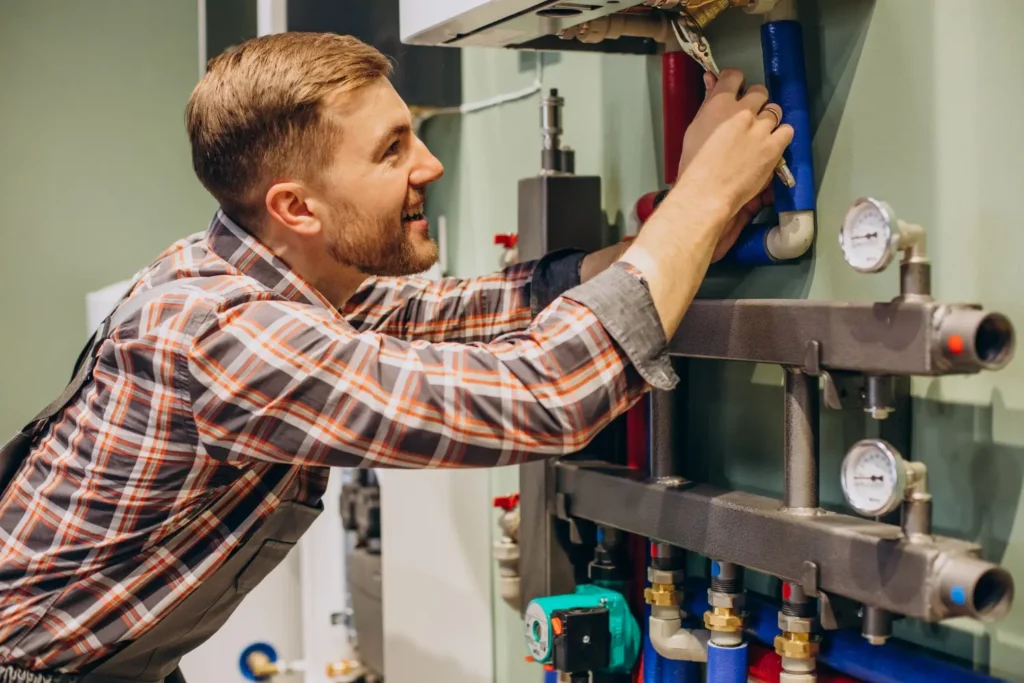
  • Engineers and construction managers who design HVAC and DHW systems and need to master mechanical and energy code requirements to prepare code-compliant technical documentation.
  • Technical managers at contracting firms who oversee permit submittal packages and need to ensure code compliance across every project their company executes.
  • Property management and facility management professionals who manage buildings with centralized thermal systems and must ensure compliance with maintenance and inspection obligations.

Program details

Logotipo-ICTESS-Dorado-1776x2048-1

Capstone Project for the Course in Mechanical and Energy Code Compliance for HVAC and DHW Systems

The Capstone Project is the culminating stage of the program and represents the practical integration of every compliance skill developed throughout the course. It consists of developing a complete permit submittal package for a real thermal system, from determining the scope of the mechanical code through preparing all documentation required for filing, applying the professional methodologies used at contracting firms and engineering practices.

The project includes preparing the technical design report or installation project report, as applicable based on system capacity, and verifying compliance with the mechanical code’s design, installation, and maintenance provisions. You’ll check the applicable energy code requirements, including the renewable energy contribution for DHW, calculate the seasonal performance of the generating equipment, design a preventive maintenance program that meets code, and prepare a maintenance log with mandatory operating records.

The project also includes preparing documentation for a periodic energy efficiency inspection where applicable based on system capacity, the installation certificate per the official format, and the filing paperwork for the local AHJ. The final submission must meet the technical depth and professional format that inspection agencies require, demonstrating your ability to manage complete permit submittal packages that meet all applicable code requirements.

Course in Mechanical and Energy Code Compliance for HVAC and DHW Systems 3
Common Questions

Frequently Asked Questions About the Course in Mechanical and Energy Code Compliance for HVAC and DHW Systems

This Course in Mechanical and Energy Code Compliance for HVAC and DHW Systems stands out for its integrated approach to the mechanical and energy code framework and its practical, permitting-focused orientation. While many courses treat these codes in a theoretical or fragmented way, this program connects both legal frameworks the way they’re applied on real projects: determining which energy code requirements apply, verifying compliance, and documenting it per mechanical code requirements. The content includes hands-on work with real technical documentation (reports, certificates, maintenance logs), case analysis of periodic inspections, and managing filings with local AHJs. The course is also kept current with recent code updates, an area many older training programs overlook.

You don’t need to be an engineer to take this course. It’s designed for professionals with technical training in thermal systems, HVAC, or construction, regardless of their specific credential. Licensed HVAC/refrigeration installers, maintenance technicians with industry experience, and facility management professionals can all take the course without issue. The program explains the code framework in accessible terms, though basic prior knowledge of HVAC, heating, and DHW systems is recommended to get the most out of the technical content. Engineers and construction managers will find the training especially useful for pairing their design knowledge with specific mastery of the mechanical and energy code framework.

The ICTESS professional certificate validates your specialization in mechanical and energy code compliance, but the authority to sign off on thermal systems projects depends on your underlying academic credential and the professional privileges it grants under applicable state licensing law. The course gives you the specific technical knowledge of the code framework you need to properly prepare documentation, but signing off on projects requires a qualifying license, such as a professional engineering license or its equivalent, depending on system capacity and complexity. For installers and technicians, the course builds the skills to prepare technical design reports and manage permit submittal packages within the scope of their trade license or their licensed contracting firm.

This Course in Mechanical and Energy Code Compliance for HVAC and DHW Systems stands out for its integrated approach to the mechanical and energy code framework and its practical, permitting-focused orientation. While many courses treat these codes in a theoretical or fragmented way, this program connects both legal frameworks the way they’re applied on real projects: determining which energy code requirements apply, verifying compliance, and documenting it per mechanical code requirements. The content includes hands-on work with real technical documentation (reports, certificates, maintenance logs), case analysis of periodic inspections, and managing filings with local AHJs. The course is also kept current with recent code updates, an area many older training programs overlook.

Ready to start

Take the next step in your technical career