
Fully online technical training designed around real industry demand, so you can specialize at your own pace.
10/31/2026
Start Date
2 months
Duration
100
Total Hours
6 Modules
Program
Duration
Total Hours
Program
Start Date
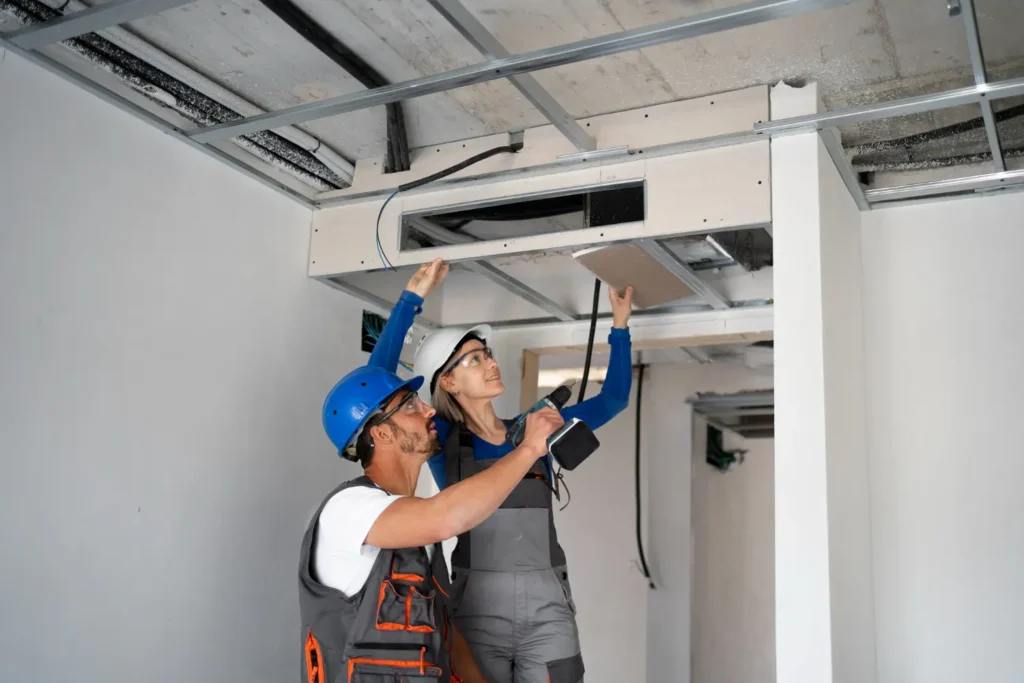
ICTESS’s Course in Air Conditioning Installation delivers specialized technical training in the complete mounting of split and multi-split HVAC systems. The program covers everything from selecting optimal locations for indoor and outdoor units to the professional refrigerant connection and startup techniques.
You’ll learn the technical procedures professional installers use: running copper tubing with standardized flare connections, vacuum and pressure-testing the refrigerant circuit, charging refrigerant per manufacturer specifications, wiring electrical connections with code-required protection, and configuring operating parameters. The course includes a Capstone Project where you’ll complete a fully documented installation following every technical protocol.
The HVAC industry is seeing growing demand for qualified installers who can deliver technically sound, code-compliant installations. Hotter summers and the widespread adoption of heat pumps for efficient heating are driving a steady volume of residential and commercial installations that require specifically trained professionals.
The course’s purpose is to train technicians who can execute complete air conditioning installations independently and with professional judgment. You’ll learn to evaluate unit locations based on performance criteria and code requirements, make leak-tight refrigerant connections, run the vacuum process using professional gauges, charge the exact refrigerant amount, and verify correct operation through pressure and temperature measurements.
The program covers the industry’s specific tools (flaring tools, micron gauges, refrigeration gauges, leak detectors) and concludes with a Capstone Project where you’ll document a complete installation applying every technical procedure you’ve learned.
The course qualifies you to work as an HVAC installer at contracting companies, authorized service providers, building maintenance companies, and as an independent professional. You can work as a split system installation technician, installation helper, or after-sales service technician at equipment distributors.
The program prepares you to execute complete installations from the ground up: selecting locations that meet code-required clearances, running refrigerant lines with proper slope, making leak-tight flare connections, pulling a deep vacuum on the circuit, charging refrigerant per nameplate data, and configuring equipment for optimal operation.
You’ll also gain skills to read equipment wiring diagrams, size protective devices per the National Electrical Code (NEC), detect and repair refrigerant leaks, and prepare technical installation documentation. The hands-on approach lets you enter the job market immediately with the skills contracting companies demand.
Study from anywhere, with no commuting required. Balance your technical specialization with your current job.
Organize your studies around your own schedule. Move through the modules at your own pace and reinforce whatever you need.
Learn the exact techniques professional installers use: flaring, vacuum procedures, refrigerant charging, and verification.
Step-by-step technical video lessons, up-to-date downloadable materials, forums with specialized tutors, and hands-on case studies.
With ICTESS, you’ll get specialized technical training focused on professional practice and designed to help you master the skills the HVAC industry demands. Learn with an up-to-date methodology and real installation procedures.
What you'll achieve
Select optimal locations for indoor and outdoor units, applying performance criteria, maintenance accessibility, and code compliance.
Run copper tubing and electrical wiring using professional flaring, bending, thermal insulation, and code-compliant mounting techniques.
Perform the complete vacuum and pressure-testing process on the refrigerant circuit using professional gauges and verifying tightness before charging.
Charge refrigerant per manufacturer specifications, monitoring operating pressures and verifying the absence of leaks with electronic detectors.
Configure operating parameters, run performance tests, and prepare technical installation documentation with completed measurements and verifications.
The HVAC market continues to grow steadily, driven by hotter summers and the widespread adoption of heat pumps as an efficient heating system. Air conditioning has become standard equipment in most homes, and new construction now routinely includes HVAC rough-in as a matter of course. This creates ongoing demand for qualified installers.
Shortage of specifically trained technicians: Many contracting companies report difficulty finding professionals who have mastered the correct installation techniques. The difference between a professional installation and a poor one comes down to specific procedures (proper vacuum, precise charging, leak-tight connections) that are only gained through specialized technical training.
Increasingly strict requirements: ASHRAE 15 refrigeration safety standards and EPA refrigerant regulations set technical requirements that installers must know and follow. Up-to-date training in code and procedures is essential to work with legal and technical assurance.
Career growth opportunities: Specializing in HVAC installation opens doors to higher-responsibility roles: crew lead, startup technician, or progression toward more complex systems such as VRF, centralized HVAC, or industrial refrigeration.
Completing the Course in Air Conditioning Installation positions you in an industry with steady demand for qualified professionals. Residential and commercial HVAC work generates a stable volume of work year-round, with activity peaks during hot seasons that push contracting companies to expand their crews.
Immediate access to the job market: You can start working as an HVAC installer at contracting companies, authorized brand service providers, or launch your own independent practice. The hands-on training lets you execute installations from day one with professional judgment and technical assurance.
Highly sought-after technical skills: Mastering vacuum, charging, and verification techniques sets you apart from workers without specific training. Companies place a premium on professionals who know the correct procedures and can technically document their work.
A foundation for advanced specialization: This course lays the groundwork for moving into more complex installations: VRF systems, industrial HVAC, commercial refrigeration, or specialized maintenance. The skills you gain transfer across many areas of the industry.
This course is designed for professionals and anyone looking to build technical specialization in installing split and multi-split air conditioning systems. Recommended profiles include:
Program details

The Capstone Project is the culminating stage of the program and represents the practical integration of every technical skill developed throughout the course. It consists of fully documenting an air conditioning installation, applying the professional procedures and technical verifications that ensure a correct, long-lasting installation.
The project must include a technical justification for the selected indoor and outdoor unit locations, photo documentation of the installation process, documentation of the tubing run with measurements and materials used, a record of the vacuum and pressure-testing process with gauge readings, refrigerant charge data, and verification measurements of operating pressures and temperatures. You’ll also include the electrical wiring diagram and the protective devices installed.
The project must be presented with the technical depth and professional format that contracting companies use to document their work for clients and manufacturers. This documentation demonstrates your ability to execute installations with sound technical judgment, follow code-required procedures, and produce quality records that back up the work performed. The project can become part of your professional portfolio to present to future employers or clients.
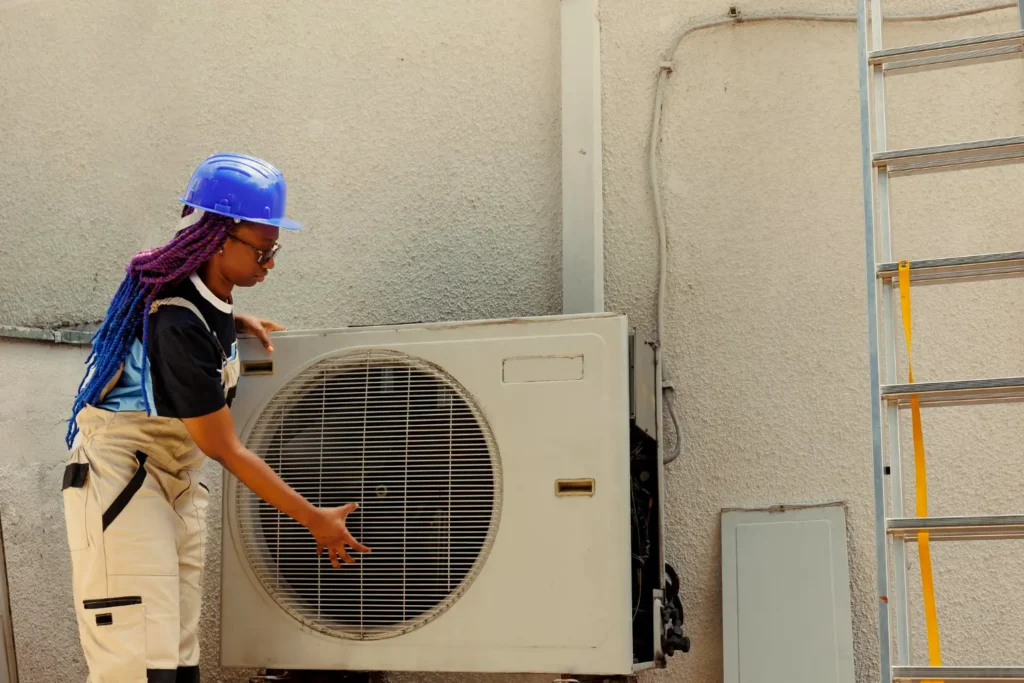
ICTESS’s Course in Air Conditioning Installation includes hands-on training with the specific tools professional installers use. You’ll learn to use flaring tools to make leak-tight connections on copper tubing, tube benders to route lines without kinking them, vacuum pumps to remove moisture and air from the circuit, refrigeration gauges to monitor operating pressures, micron gauges to verify the vacuum level reached, and electronic leak detectors to check the tightness of connections. You’ll also work with common electrical tools (drills, screwdrivers) and learn to interpret instrument readings to make technical decisions during the installation.
Specific prior HVAC experience isn’t required, though basic electrical knowledge and some familiarity with hands-on technical work is recommended. The course is designed to teach from the fundamentals, explaining each procedure step by step with the detail needed for you to execute it correctly. The profiles that get the most out of the training are electricians, maintenance technicians, installation helpers, or trade program graduates who want to specialize in HVAC. If you’ve never worked with tools or installations before, the course will give you the foundation, though it will take more dedication to absorb the technical concepts and hands-on procedures.
The ICTESS professional certificate validates your technical training in air conditioning installation and is recognized by industry employers as quality supplementary training. It documents that you’ve gained specific skills in unit placement, running refrigerant lines, vacuum and charging techniques, and installation verification. For certain regulated activities, such as EPA-regulated refrigerant handling, specific certification requirements may apply depending on the type of equipment. The course provides the fundamental technical knowledge contracting companies look for in their technicians, and many of them value this training as assurance that a candidate knows the correct installation procedures.
ICTESS’s Course in Air Conditioning Installation stands out for its focus on real technical procedures and a structure that mirrors the complete process of a professional installation. While many courses stick to general theoretical explanations, this program details the specific techniques experienced installers use: how to make a proper flare connection that won’t leak, what vacuum level is acceptable and how to verify it, how much refrigerant to charge based on installation conditions, and how to interpret operating pressures to diagnose problems. The content includes the most common mistakes untrained installers make and how to avoid them, giving you the technical judgment to make decisions in real job-site situations.