
Fully online technical training designed around real industry demand, so you can specialize at your own pace.
10/31/2026
Start Date
2 months
Duration
100
Total Hours
6 Modules
Program
Duration
Total Hours
Program
Start Date
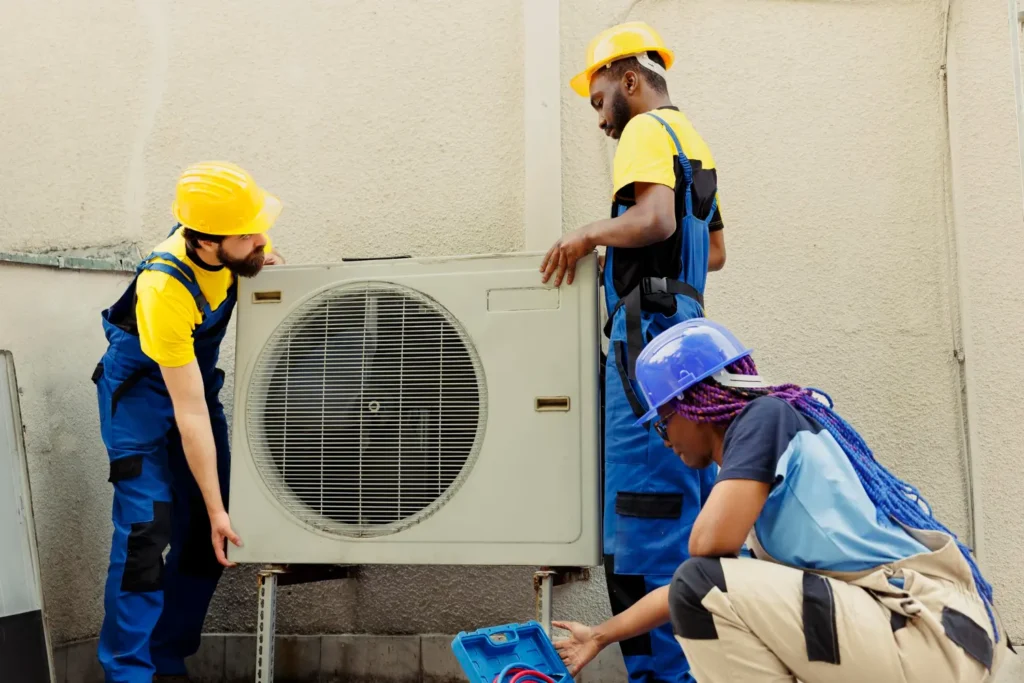
ICTESS’s Course in Air Conditioning Maintenance trains technicians who specialize in the upkeep and servicing of HVAC systems. The program covers the industry’s main technologies: split, multi-split, ducted, cassette, and VRV/VRF systems, spanning both residential and commercial installations.
You’ll learn the preventive maintenance procedures industry professionals use: cleaning filters and heat exchanger coils, checking electrical components, measuring operating parameters, systematically detecting faults through technical diagnostics, and following best-practice response protocols. The course includes a Capstone Project where you’ll apply everything you’ve learned to a complete maintenance plan for HVAC installations.
The Course in Air Conditioning Maintenance addresses the industry’s need for technicians who can keep HVAC equipment running at peak performance. The installed base of air conditioning systems keeps growing every year, creating steady demand for professionals who have mastered preventive maintenance protocols and fault diagnosis techniques that extend the service life of these installations.
The course’s purpose is to train professionals who can execute complete maintenance plans: performing periodic inspections, cleaning critical airflow circuit components, verifying electrical and operating parameters, identifying signs of wear or malfunction, and applying basic corrective actions before major failures occur.
The program covers the professional instrumentation used in maintenance services (multimeters, clamp meters, gauges, thermometers) and concludes with a Capstone Project where you’ll develop a complete maintenance plan applying every skill gained in the technical modules.
The course qualifies you for technical roles at HVAC maintenance companies, authorized service providers, facility management firms, and maintenance departments at commercial and industrial buildings. You can work as an HVAC maintenance technician, service technician, installation maintenance lead, or support technician at contracting companies.
The program prepares you to deliver complete maintenance services: performing visual and functional equipment inspections, cleaning filters and coils per technical procedure, verifying electrical connections and power draw, diagnosing common faults through systematic analysis, and documenting service calls on professional work orders.
You’ll also gain skills to develop preventive maintenance plans, advise clients on equipment care, propose energy efficiency improvements, and manage stock of common parts and consumables. The hands-on approach lets you apply this knowledge immediately in real service work.
Study from anywhere, with no commuting required. Balance your technical specialization with your current job.
Organize your studies around your own schedule. Move through the modules at your own pace and reinforce whatever you need.
Learn real maintenance procedures, the same protocols and techniques used by HVAC service providers.
Technical video lessons, up-to-date downloadable materials, forums with specialized tutors, and hands-on diagnostic exercises.
With ICTESS, you’ll get specialized technical training focused on professional practice and designed to help you master the skills the HVAC industry demands. Learn with an up-to-date methodology and real service protocols.
What you'll achieve
Execute preventive maintenance plans on residential and commercial air conditioning equipment, applying appropriate technical protocols and service intervals.
Perform technical cleaning of filters, evaporator and condenser coils, drain pans, and other airflow circuit components per professional procedure.
Carry out basic electrical checks with a multimeter and clamp meter: supply voltage, compressor and fan power draw, and component continuity.
Diagnose common HVAC system faults through systematic symptom analysis, parameter measurement, and technical decision trees.
Apply service best practices: documenting service calls, communicating with clients, managing parts, and following safety requirements.
The HVAC industry continues to grow steadily, driven by rising temperatures and growing comfort expectations in homes and workplaces. The installed base of air conditioning equipment keeps expanding every year, and each new unit will require periodic maintenance throughout its service life. This creates ongoing demand for technicians who specialize in equipment upkeep.
Direct impact on efficiency and equipment life: An air conditioning unit without proper maintenance can see its energy consumption rise significantly and its service life cut roughly in half. Maintenance technicians play a key role in keeping installations running efficiently, reducing major breakdowns, and optimizing equipment performance.
Contractual and warranty requirements: Many commercial and industrial installations are required, by code or warranty agreement, to undergo documented periodic maintenance. Companies need technicians who can perform these services per professional protocol and generate the required technical documentation.
Competitive advantage in the job market: Specialized training in HVAC maintenance sets you apart from unqualified candidates. Mastering diagnostic techniques, cleaning protocols, and electrical checks positions you as a priority candidate at service companies and facility management firms.
Completing the Course in Air Conditioning Maintenance positions you in an industry with year-round, stable demand. The growing installed base of HVAC equipment creates ongoing need for qualified technicians to perform preventive and corrective maintenance in homes, businesses, and service buildings.
Access to stable employment in the industry: You can pursue positions such as HVAC maintenance technician, service technician, or installation maintenance lead. Preventive maintenance specialization is especially valued because it reduces repair costs and improves customer satisfaction.
Ability to work independently: Mastering maintenance protocols and diagnostic techniques lets you deliver complete services without direct supervision, increasing your productivity and value to companies looking for resourceful, self-sufficient technicians.
Versatility across installation types: You’ll learn to maintain different HVAC technologies (split, multi-split, ducted, cassette, VRV/VRF), broadening your job opportunities in residential, commercial, and industrial service without limiting you to a single equipment type.
Recognized professional certificate: ICTESS’s professional certificate validates your technical specialization in air conditioning maintenance, strengthening your position in the job market and demonstrating your skills to employers in the field.
This course is designed for professionals and anyone looking to build technical specialization in maintaining and servicing air conditioning systems. Recommended profiles include:
Program details

The Capstone Project is the culminating stage of the program and represents the practical integration of every technical skill developed throughout the course. It consists of developing a complete preventive maintenance plan for a real or simulated HVAC installation, from the initial equipment assessment through scheduling periodic service calls, applying the professional methodologies and technical protocols used in the industry.
The project must include a technical inventory of the selected installation’s equipment (brand, model, capacity, location), defined maintenance tasks for each component, service intervals set according to usage and environmental conditions, and service record templates listing the parameters to verify and their reference values. You’ll also design an annual maintenance calendar and estimate the resources required.
The project includes simulating a complete, documented maintenance service call: visual inspection, component cleaning, electrical checks, operating parameter measurements, and an incident log. The final documentation must meet the technical depth and professional format expected of the work orders and maintenance records used by industry companies, demonstrating your ability to plan, execute, and document HVAC maintenance services in a rigorous, systematic way.
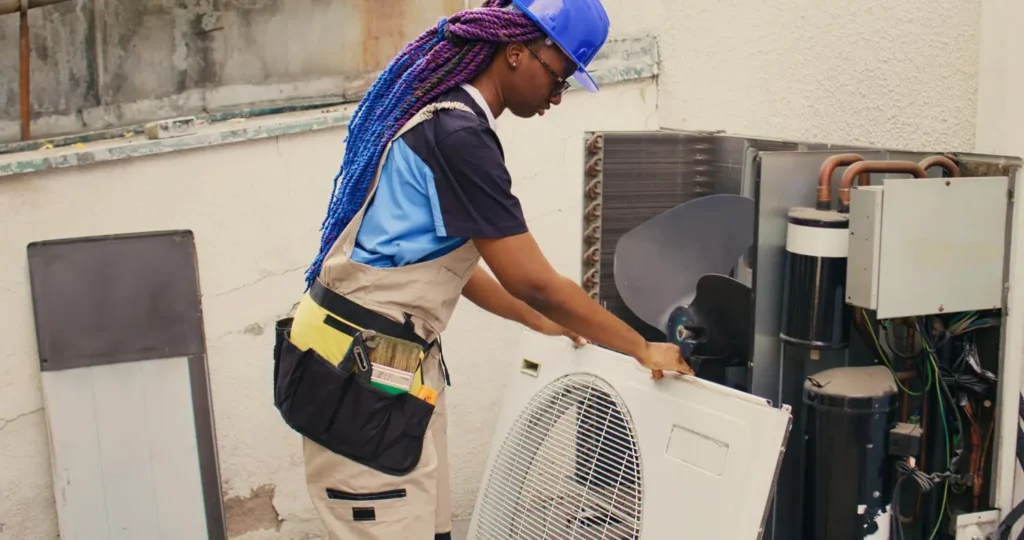
ICTESS’s Course in Air Conditioning Maintenance includes hands-on training with the industry’s standard technical instrumentation: a digital multimeter for measuring voltage, resistance, and continuity in electrical components; a clamp meter for checking compressor and fan power draw without interrupting the circuit; contact and infrared thermometers for checking supply and return temperatures; and refrigeration gauges for basic pressure readings on the refrigerant circuit. You’ll learn to interpret the readings you obtain and compare them against reference values to assess equipment condition. While the course focuses on maintenance rather than refrigerant handling, you’ll learn the verification procedures that let you identify when a call for an EPA Section 608 certified technician is needed.
ICTESS’s Course in Air Conditioning Maintenance includes hands-on training with the industry’s standard technical instrumentation: a digital multimeter for measuring voltage, resistance, and continuity in electrical components; a clamp meter for checking compressor and fan power draw without interrupting the circuit; contact and infrared thermometers for checking supply and return temperatures; and refrigeration gauges for basic pressure readings on the refrigerant circuit. You’ll learn to interpret the readings you obtain and compare them against reference values to assess equipment condition. While the course focuses on maintenance rather than refrigerant handling, you’ll learn the verification procedures that let you identify when a call for an EPA Section 608 certified technician is needed.
The ICTESS professional certificate validates your technical specialization in air conditioning maintenance and is recognized by industry employers as quality supplementary training. The certificate documents specific, highly demanded skills: executing preventive maintenance plans, technical component cleaning, basic electrical checks, and common fault diagnosis. Many service companies, facility management firms, and installers value this hands-on training because it demonstrates knowledge of real working protocols and the ability to perform services independently. It’s important to note that this course doesn’t qualify you to handle regulated refrigerants, which requires separate certification (EPA Section 608). The course prepares you for every maintenance task that doesn’t involve opening the refrigerant circuit.
ICTESS’s Course in Air Conditioning Maintenance stands out for its exclusive focus on hands-on maintenance procedures and its grounding in the industry’s real-world practice. While many courses mix installation, maintenance, and repair superficially, this program goes deep specifically into preventive upkeep skills: planning service calls, systematically executing cleaning and verification tasks, diagnosing faults through symptom analysis, and producing professional service documentation. The content includes detailed protocols for different equipment types (split, multi-split, ducted, cassette, VRV/VRF) and different installation environments (residential, commercial, industrial). The course also includes a dedicated module on service best practices covering essentials for real-world work: client communication, time management on maintenance routes, and compliance with workplace safety requirements.