
Fully online technical training designed around real industry demand, so you can specialize at your own pace.
10/31/2026
Start Date
2 months
Duration
100
Total Hours
6 Modules
Program
Duration
Total Hours
Program
Start Date
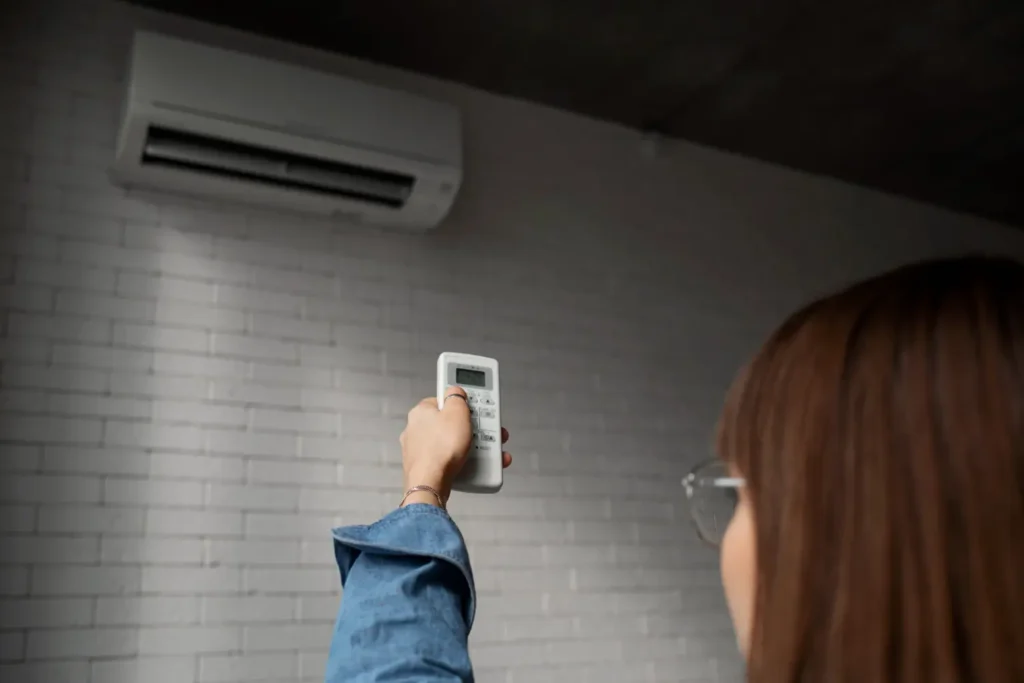
ICTESS’s Course in Split Air Conditioning Systems trains technicians who specialize in installing, wiring, and maintaining split-type HVAC systems. The program covers the direct-expansion equipment most in demand in the residential and commercial market: wall-mounted, ducted, cassette, and floor/ceiling split units.
You’ll learn the refrigeration installation techniques used in day-to-day work: refrigerant line layout, flaring copper tubing, pulling a vacuum on refrigerant circuits, electrical wiring per code, refrigerant charging, and verifying operating pressures. The course includes a Capstone Project where you’ll apply everything you’ve learned to a complete split system installation project.
The residential and commercial HVAC market continues to grow steadily, driven by increasingly frequent heat waves and rising demand for thermal comfort in homes and businesses. Contracting companies need qualified technicians who can deliver split system installations with technical assurance and code compliance.
The course’s purpose is to train professionals who can complete split system installations independently. You’ll learn to select the right equipment for a space’s needs, route tubing to minimize pressure drop, make leak-tight refrigerant connections, wire electrical connections per code, and start up the system while verifying correct operation.
The program covers the industry’s professional tools (digital manifold gauges, vacuum pump, leak detector, clamp meter) and concludes with a Capstone Project where you’ll develop a complete installation project applying every technical skill gained.
The course qualifies you for technical roles at HVAC contracting companies, authorized service providers, building maintenance companies, and as an independent professional. You can work as an air conditioning installer, residential HVAC technician, HVAC maintenance journeyman, or split system service lead.
The program prepares you to execute complete installations from unit placement through customer handover: mechanically mounting indoor and outdoor units, running refrigerant lines with professional flaring techniques, wiring per manufacturer diagrams, pulling a vacuum and charging refrigerant, and verifying operation through pressure and temperature measurements.
You’ll also gain skills to diagnose basic faults, perform preventive maintenance, replace defective components, and advise clients on the efficient use of their equipment.
Study from anywhere, with no commuting required. Balance your technical specialization with your current job.
Organize your studies around your own schedule. Move through the content at your own pace and reinforce whatever you need.
Learn with current mechanical code requirements, today's R-32 and R-410A refrigerants, and installation techniques aligned with industry standards.
Technical video lessons with hands-on demonstrations, downloadable diagrams, forums with specialized tutors, and applied exercises.
With ICTESS, you’ll get specialized technical training focused on professional practice and designed to help you master the skills the HVAC industry demands. Learn with an up-to-date methodology and real installation content.
What you'll achieve
Identify and select split equipment (wall-mounted, ducted, cassette, floor/ceiling) based on the space’s characteristics, estimated cooling load, and the client’s installation requirements.
Perform the mechanical mounting of indoor and outdoor units, applying maintenance accessibility criteria, minimum clearances, and secure mounting per manufacturer specifications.
Make refrigerant connections using professional flaring techniques, verify tightness with nitrogen, and pull a vacuum on the circuit with a vacuum pump.
Wire split equipment per manufacturer diagrams, applicable electrical code, and proper protective devices, verifying power draw and insulation on the installation.
Start up split systems, verifying operating pressures, supply and return temperatures, and correct operation across all of the equipment’s operating modes.
The residential and commercial HVAC industry continues to grow steadily, driven by climate change and rising average temperatures. Air conditioning adoption keeps setting new records year after year and continues to expand across the housing market. This creates ongoing demand for qualified installation technicians.
Shortage of trained professionals: The market faces a shortage of installers with specific technical training in HVAC. Many companies report difficulty filling technician positions for people who can execute complete installations independently, especially professionals who have mastered current refrigerant connection techniques with next-generation refrigerants.
Increasingly strict requirements: Applicable mechanical codes and refrigerant regulations require specific technical skills to handle refrigerants and execute installations. Specialized technical training is essential to meet legal requirements and offer clients professional assurance.
Competitive advantage in the industry: Technical specialization in split system installation sets you significantly apart from unqualified candidates. Mastering professional flaring, vacuum, refrigerant charging, and operational verification techniques positions you as a priority candidate at contracting companies looking for qualified technicians.
Completing the Course in Split Air Conditioning Systems positions you in an industry with year-round demand. Residential and commercial HVAC generates thousands of technical service calls annually for installation, maintenance, and repair, especially during peak cooling season.
Fast access to the job market: Split system installation is one of the highest-volume specialties in the HVAC industry. Contracting companies are constantly looking for technicians who can execute installations independently, especially during spring and summer demand peaks when installation requests multiply.
Highly sought-after technical skills: Mastering refrigerant connection techniques, circuit evacuation, and refrigerant charging sets you apart from installers without specific training. Knowledge of mechanical code and installation best practices is a baseline requirement to work at licensed companies in the industry.
Professional versatility: The skills you gain apply to equipment from multiple manufacturers and types (wall-mounted, ducted, cassette, multi-split), broadening your range across different residential, commercial, and light industrial installations.
This course is designed for professionals and interested individuals who want to build technical specialization in installing and maintaining split-type air conditioning systems. Recommended profiles include:
Program details

The Capstone Project is the culminating stage of the program and represents the practical integration of every technical skill developed throughout the course. It consists of developing a complete split system installation project, from equipment selection through operational verification, applying the professional techniques and procedures used in the industry.
The project includes selecting the right equipment based on the characteristics of the space being conditioned, planning the refrigerant line route to minimize length and pressure drop, defining mounting points for the indoor and outdoor units that meet minimum clearances, designing the electrical wiring diagram with proper protective devices, and providing a detailed description of the startup procedure with verification of operating pressures and temperatures.
The project also includes preparing an installation technical data sheet with equipment data, refrigerant used, line length, and verified operating parameters. You’ll document the recommended preventive maintenance procedure and the periodic checks needed to keep the system running correctly. The final documentation must meet the technical depth and professional format expected of work orders and installation certificates, demonstrating your ability to execute and document split system installations completely and rigorously.

ICTESS’s Course in Split Air Conditioning Systems includes hands-on training with the industry’s standard professional tools: digital manifold gauges for measuring high- and low-side pressures, a vacuum pump for removing moisture and air from the circuit, an electronic leak detector for tightness verification, a professional flaring tool for refrigerant connections on copper tubing, and a clamp meter for verifying electrical power draw. You’ll learn to use this equipment following the correct technical procedures, from circuit preparation through final operational verification. Mastering these tools is a baseline requirement to work at professional HVAC contracting companies.
Prior HVAC experience isn’t required, though basic electrical knowledge and some familiarity with hands-on technical work is recommended. The course follows a progressive structure that starts from split equipment fundamentals and builds toward advanced installation and startup techniques. People with backgrounds in electrical work, plumbing, industrial maintenance, or electromechanics will find the content accessible and complementary to their existing skills. It’s also suitable for people without prior technical training but with hands-on aptitude and motivation to learn a trade with strong job demand.
The ICTESS professional certificate validates your technical training in split system installation and is valued by industry employers as proof of specific skills. However, performing professional installations that involve handling regulated refrigerants requires EPA Section 608 Technician Certification, issued after passing a certification exam through an approved provider. The course gives you the technical knowledge you need for installation work, but the official refrigerant-handling certification must be obtained separately. Many contracting companies particularly value hands-on technical training like this as a complement to that certification, since it demonstrates real installation skills.
This Course in Split Air Conditioning Systems stands out for its hands-on, specific focus on the installation techniques industry professionals actually use. While many courses offer general theoretical content about HVAC, this program focuses on real working procedures: professional flaring techniques, correctly pulling a vacuum with proper timing and pressure targets, charging refrigerant while verifying superheat and subcooling, and wiring per manufacturer diagrams. The content covers today’s R-32 and R-410A refrigerants and their specific handling considerations, and covers the different split equipment types (wall-mounted, ducted, cassette, multi-split) you’ll encounter on real installations.