
Fully online technical training designed around real industry demand, so you can specialize at your own pace.
10/31/2026
Start Date
1 month
Duration
100
Total Hours
6 Modules
Program
Duration
Total Hours
Program
Start Date
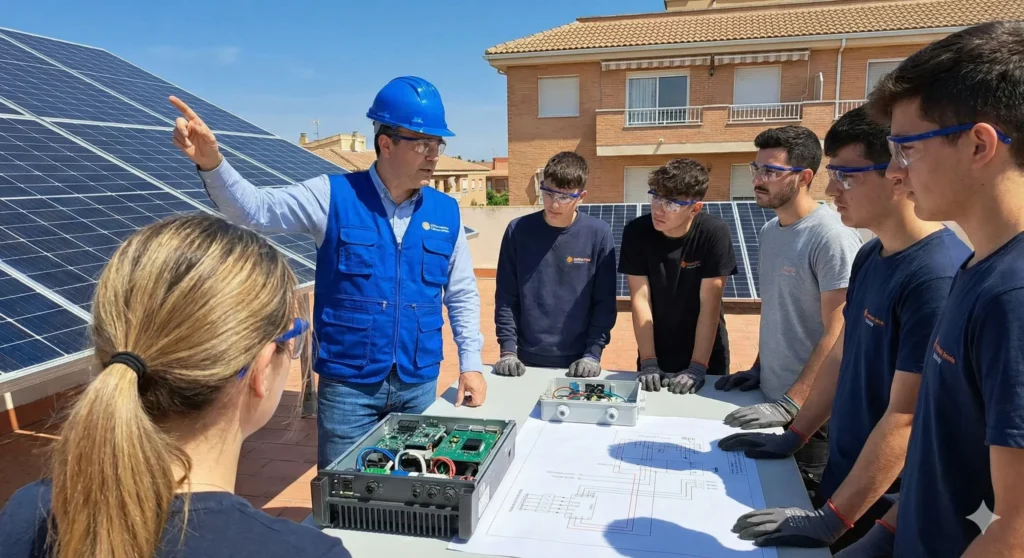
ICTESS’s Low-Voltage PV Integration Training Course is designed to train specialists in the connection and integration of self-consumption photovoltaic systems into low-voltage electrical grids. The program covers the technical and regulatory aspects that ensure a safe, code-compliant connection: protections, conductor sizing and metering systems.
You will learn the electrical integration calculations used in real projects: voltage drops in DC and AC lines, section selection based on current and length, bidirectional metering configuration, zero-injection implementation with export limiters, and protection coordination with the receiving installation. The course includes a Capstone Project where you will apply everything you learned to a complete low-voltage PV integration project.
The growth of PV self-consumption has created a need for professionals who master the technical integration of these systems into existing electrical grids. Utilities and control bodies require installations to strictly meet connection regulations and have adequate protections to guarantee the safety of the grid and its users.
The purpose of the course is to train professionals able to design the complete electrical integration of low-voltage PV systems: calculating conductor sections considering allowable voltage drops, selecting and coordinating protections according to utility requirements, configuring bidirectional metering for surplus compensation, and implementing zero-injection solutions when regulations require it.
The training includes in-depth knowledge of the applicable electrical codes and standards, and the utilities’ connection procedures. The program culminates in a Capstone Project where you will develop a complete integration project, applying every technical skill acquired in the modules.
The Low-Voltage PV Integration Training Course qualifies you for specialized technical roles at PV installation companies, project engineering firms, the technical departments of electric utilities, and as a self-employed professional specialized in self-consumption legalization. You will be able to work as an electrical integration technician, connection project lead, or PV installation verifier.
The training prepares you to manage the technical integration process: performing voltage drop and conductor sizing calculations, designing the protection scheme to meet utility requirements, configuring bidirectional metering systems, implementing zero-injection solutions with export limiters, and running the verification tests prior to connection.
You will also gain the skills to file connection requests with utilities, prepare the technical legalization documentation, and ensure installations meet the requirements of the electrical certificate and inspection bodies. The hands-on approach lets you apply your knowledge immediately in real projects.
Access from anywhere with no commuting. Fit your technical specialization around your current professional activity.
Organize your study around your availability. Move through the modules whenever it suits you best and reinforce what you need.
Learn with content aligned to current codes, standards and utility procedures in force.
Technical video lessons, up-to-date downloadable materials, forums with specialized tutors and hands-on calculation exercises.
With ICTESS you receive specialized technical training, focused on professional practice and designed so you master the electrical integration skills demanded by the PV self-consumption sector. Learn with an up-to-date methodology and real connection case studies.
What you'll achieve
Apply the connection regulations for photovoltaic systems and the specific utility procedures for individual and collective self-consumption.
Calculate voltage drops in DC and AC sections, and size conductor cross-sections based on current, length and installation method according to the applicable electrical code.
Design bidirectional metering systems for surplus compensation and implement zero-injection solutions using dynamic grid-export limiters.
Select and coordinate electrical protections (circuit breakers, RCDs, SPDs), ensuring selectivity with the receiving installation and compliance with utility requirements.
Perform the code-required tests and verifications prior to connection: continuity, insulation, phase sequence and anti-islanding protection checks.
PV self-consumption is growing rapidly, with strong annual growth in the residential and commercial segments. This volume of installations creates a constant demand for professionals able to manage technical integration into low-voltage grids while meeting the increasingly strict requirements of utilities and control bodies.
Increasingly strict regulatory requirements: Utilities have reinforced the connection and verification procedures for self-consumption installations. Rejections due to technical non-compliance (inadequate protections, insufficient sections, missing anti-islanding) cause costly delays and loss of client trust. Professionals who master these requirements bring differential value to installation companies.
Growing complexity of installations: Collective self-consumption, zero-injection systems, and installations with storage require specialized electrical integration knowledge that goes beyond basic sizing. Companies need technicians able to design bidirectional metering solutions, configure injection limiters and coordinate protections in complex schemes.
Professional differentiation in a competitive market: The PV sector has many installers, but specialists in electrical integration and legalization are scarce. Mastering connection calculations, applicable regulations and utility procedures positions you as a reference professional for projects that require technical guarantees and efficient processing.
Completing the Low-Voltage PV Integration Training Course positions you as a specialist in one of the most critical aspects of PV self-consumption: the safe, legal connection to the electrical grid. Installation companies need technicians who master the regulations and integration procedures to avoid connection rejections and inspection problems.
Mastery of connection regulations: You will gain in-depth knowledge of the applicable codes and standards and the procedures of the main utilities. This specialized knowledge lets you manage connection processing with confidence and resolve the technical issues that block the legalization of installations.
Specific electrical calculation skills: You will master the voltage drop calculations, section sizing and protection coordination required by legalization technical reports. These specific technical skills set you apart from generalist installers and let you take on electrical design responsibilities.
Ability to solve integration problems: You will learn to implement technical solutions for complex cases: zero injection with dynamic limiters, collective self-consumption with surplus sharing, and protection coordination in installations with multiple strings. This specialization makes you a technical reference for integration questions.
Recognized professional certification: The ICTESS professional certificate backs your technical specialization in low-voltage PV integration, improving your position in the job market and validating your skills before installation companies and utilities.
The curriculum of the Low-Voltage PV Integration Training Course follows a progressive structure that replicates the real sequence of an integration project: regulatory analysis, sizing calculations, metering and protection design, and final verification. This methodology builds knowledge you can apply directly in a professional setting.
The training starts with the connection regulatory framework and utility procedures. The technical modules cover voltage drop calculations in DC and AC circuits, conductor sizing according to the electrical code, and the design of bidirectional metering systems with simplified compensation and collective self-consumption configurations.
Program details

The Capstone Project is the culminating stage of the training and represents the practical integration of all the technical skills developed throughout the program. It consists of the complete design of the electrical integration of a low-voltage photovoltaic installation, from the analysis of the existing receiving installation to the legalization documentation, applying the calculation methodologies and regulatory requirements used in the sector.
The project includes the analysis of the existing electrical installation (contracted power, protections, sections), the calculation of voltage drops across all DC and AC sections, conductor sizing according to the electrical code, the design of the protection scheme with selectivity relative to the receiving installation, the configuration of the bidirectional metering system according to the self-consumption mode, and the implementation of zero injection if the project requires it.
The project also includes preparing the complete single-line diagram of the integrated installation, the testing and verification protocol prior to connection, and the technical documentation for processing with the corresponding utility. The final documentation must be presented with the technical level and professional format required by legalization project reports, demonstrating your ability to produce complete technical documentation.
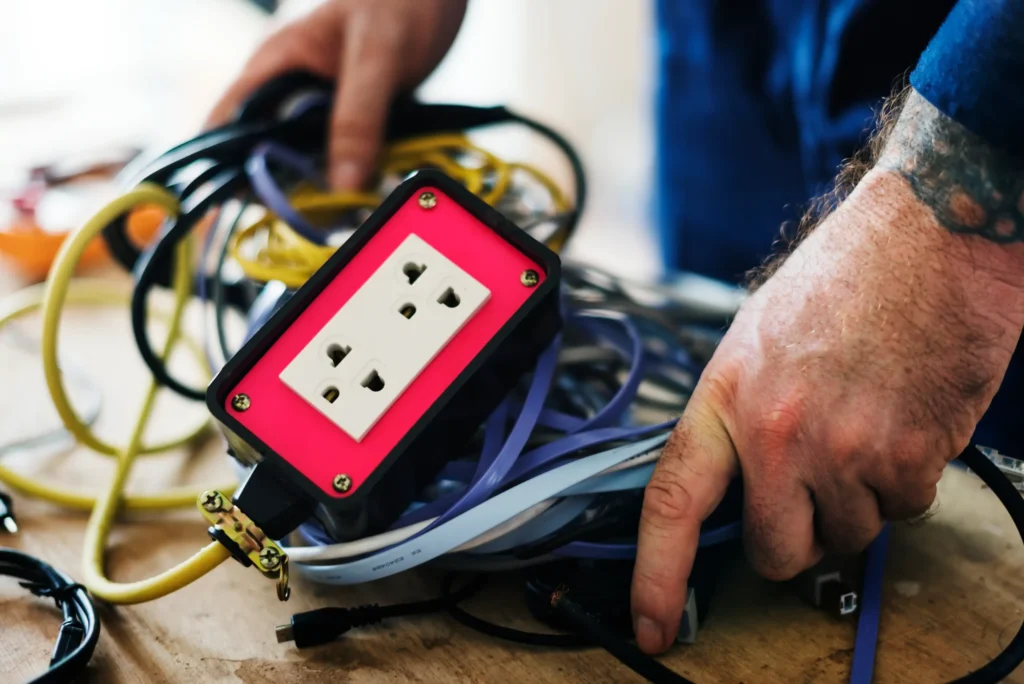
The Low-Voltage PV Integration Training Course trains you in the practical application of all the relevant standards for self-consumption connection: the regulations governing self-consumption modes and surplus compensation, the standards for low-voltage generating installations, and the codes applicable to section and protection calculations. You will also learn the specific procedures of the main utilities for connection requests, technical connection-point requirements, and the documentation required for legalization. This up-to-date knowledge lets you process connections with confidence and resolve the technical issues that typically block the commissioning of installations.
A license as an electrical installer is not essential to take the course, though prior knowledge of electricity and familiarity with the electrical code is recommended. The program is designed both for licensed installers who want to specialize in PV integration and for engineers, project designers and technicians who need to master connection calculations and legalization procedures. Keep in mind that signing electrical certificates and executing installations does require the corresponding qualification, but the technical design, integration calculations and administrative processing can be carried out by professionals with different profiles. The course provides technical skills that complement any base qualification in the electrical sector.
The ICTESS Professional Certificate backs your technical specialization in low-voltage PV integration and is valued by companies in the sector as high-level complementary training. While it is not an official degree and does not replace the professional qualifications required by the electrical code, the certificate documents very specific, in-demand technical skills: mastery of connection regulations, voltage drop and section calculations, bidirectional metering design, and knowledge of utility procedures. Many installation companies especially value this training because it demonstrates up-to-date knowledge of current self-consumption regulations and the ability to manage connection processing that often causes delays and technical problems.
This Low-Voltage PV Integration Training Course stands out for its specific focus on grid connection and the electrical aspects of integration, not on the general sizing of PV installations. While most courses focus on the design of the PV array (strings, inverters, structures), this program goes in depth into the aspects that determine connection viability: voltage drop calculations, section sizing to meet regulations, protection coordination with the receiving installation, bidirectional metering configuration, zero-injection implementation, and each utility’s specific procedures. This specialized knowledge is what installers typically lack, and what causes connection rejections, legalization delays and inspection problems.