
Fully online technical training designed around real industry demand, so you can specialize at your own pace.
10/31/2026
Start Date
2 months
Duration
100
Total Hours
6 Modules
Program
Duration
Total Hours
Program
Start Date
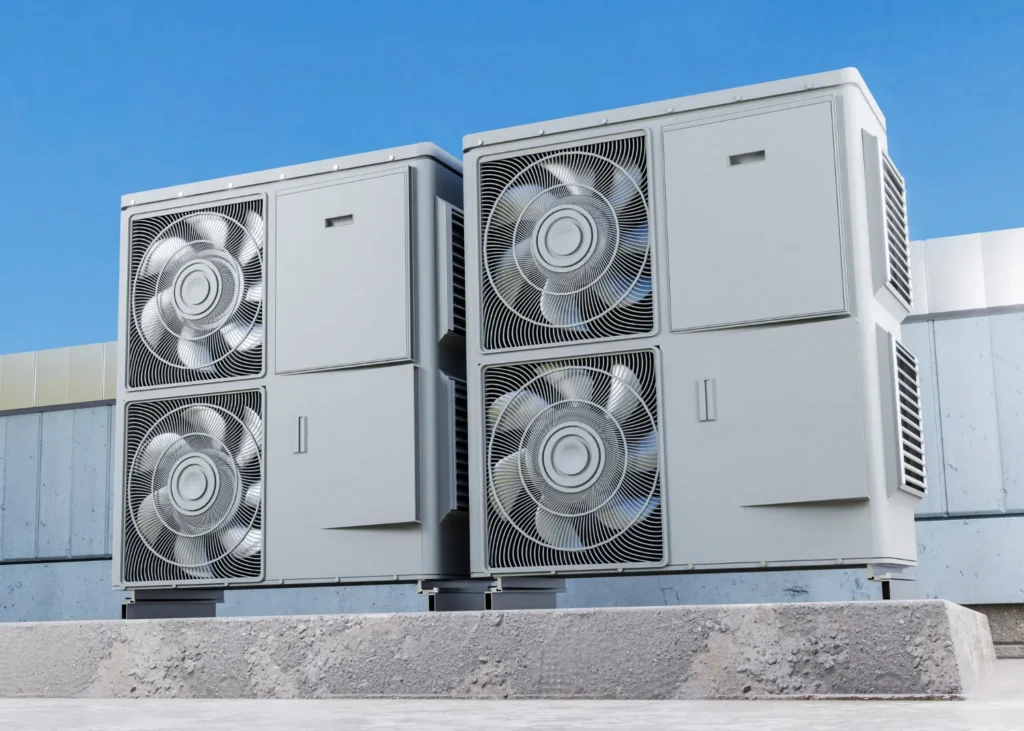
ICTESS’s Air-to-Water Heat Pump Training Course provides specialized technical training in the design, sizing, and installation of HVAC systems built around air-to-water heat pumps. The program covers the thermodynamic fundamentals of this technology and its practical application in residential and commercial buildings for heating, cooling, and domestic hot water (DHW) production.
You’ll learn the technical calculations needed to size equipment based on heat load, select hydraulic components, configure systems with inertia tanks and DHW storage tanks, and set up commissioning protocols. The training reviews the configurations most common in the industry and culminates in a Capstone Project where you’ll apply everything you’ve learned to a complete air-to-water heat pump installation.
The HVAC industry is shifting toward high-efficiency, low-carbon systems, driven by tightening building energy codes (IECC, ASHRAE 90.1) and the broader push toward electrification. Air-to-water heat pumps have become a priority technology for high-performance, near-zero-energy buildings, driving growing demand for technicians who can design and install these systems to a professional standard.
The purpose of this course is to train professionals who can assess a building’s heating and cooling needs, select heat pump equipment based on seasonal performance ratings (HSPF2/SEER2), design hydraulic circuits with appropriate emitters, and configure combined systems for space heating, cooling, and domestic hot water production. You’ll build the skills to read manufacturer spec sheets and perform sizing calculations aligned with ACCA Manual J/S methodology.
The training covers heat-load calculation tools and equipment selection using professional technical catalogs, culminating in a Capstone Project where you’ll develop a complete air-to-water heat pump installation project for a representative building.
The Air-to-Water Heat Pump Training Course qualifies you for specialized technical roles at installation companies, HVAC equipment distributors, manufacturer-authorized service centers, and building maintenance departments. You can work as an air-to-water heat pump installer, sizing specialist at an HVAC company, commissioning technician, or preventive maintenance professional for heat pump systems.
The training prepares you to manage installation projects from initial study through handoff: performing heat-load calculations, sizing equipment for local climate conditions, designing hydraulic schematics with balancing and control valves, overseeing component installation, and carrying out commissioning and performance-verification protocols.
You’ll also build skills to advise clients technically on whether an air-to-water heat pump is the right fit, prepare detailed technical quotes, diagnose common faults, and recommend preventive maintenance strategies that extend the service life of these installations.
Study from anywhere with no commuting required. Balance your technical specialization with your current job.
Organize your study time around your own schedule. Move through the modules whenever works best for you and reinforce whatever you need.
Curriculum aligned with IECC/ASHRAE 90.1 building energy codes and AHRI/DOE performance rating standards. Learn with real manufacturer technical specifications.
Technical video lessons, downloadable hydraulic schematics, forums with specialized instructors, and sizing exercises.
With ICTESS, you’ll get specialized technical training in air-to-water heat pump systems, focused on professional practice and designed to help you master the skills the efficient-HVAC sector demands. Learn with an up-to-date methodology and real-world installation cases.
What you'll achieve
Understand the thermodynamic principles of the reverse refrigeration cycle and the factors that determine the seasonal performance (HSPF2/SEER2) of air-to-water heat pumps.
Calculate heating, cooling, and DHW loads in residential buildings using ACCA Manual J methodology to size air-to-water heat pump equipment.
Design hydraulic circuits with inertia tanks, DHW storage tanks, balancing valves, and emitters sized to the system’s supply temperature.
Identify common configurations used in the US market (monobloc, split, and hybrid systems) and select the optimal technical solution based on building characteristics.
Apply commissioning, performance-verification, and preventive maintenance protocols to ensure air-to-water heat pump installations run efficiently.
Air-to-water heat pumps have become the reference technology for efficient building HVAC, driven by tightening building energy codes and the broader shift toward electrification and decarbonization in the building sector. Building energy codes increasingly push new construction toward high-performance, near-zero-energy targets, where air-to-water heat pumps are practically essential to meeting primary-energy and carbon-emission requirements.
Accelerated shift away from conventional systems: Tightening restrictions on fossil-fuel boilers in new construction in a growing number of states and jurisdictions, along with utility and federal incentive programs for replacing aging equipment, are driving unprecedented demand for air-to-water heat pump installations. Technicians specifically trained in this technology have a competitive edge in a market that needs qualified professionals to absorb the growing volume of projects.
Technical complexity that requires specialization: Unlike conventional boilers, air-to-water heat pump systems require specific knowledge of thermodynamics, hydraulics, and controls to guarantee optimal performance. Sizing or configuration errors can seriously compromise system efficiency, so companies look for technicians with specialized training who minimize risk on their installations.
A requirement for energy-efficiency work: Professionals working in energy retrofits and building certification need to master air-to-water heat pump technology as a standard solution for improving a building’s energy rating, expanding opportunities to collaborate with architects and energy consultants.
Completing the Air-to-Water Heat Pump Training Course positions you in a fast-growing HVAC segment with strong demand for specialized technicians. Tightening restrictions on fossil-fuel equipment in new construction in a growing number of states, together with utility and federal incentive programs, are driving widespread heat pump adoption and creating steady job opportunities.
Access to a growing market: Air-to-water heat pumps are leading growth in the HVAC sector, with residential installations expanding steadily as the technology gains ground over conventional heating systems. Specializing in this technology gives you access to a niche with less competition and stronger demand than conventional heating systems.
Technical professional differentiation: Mastering sizing calculations, hydraulic configurations, and selection criteria based on seasonal performance sets you apart from installers without specific training. Companies especially value professionals who can technically justify their proposals to demanding clients.
Versatility across applications: The training prepares you to work in both new construction and energy retrofits, covering single-family homes, multifamily buildings, and commercial properties. This versatility significantly broadens your professional reach in the HVAC market.
Recognized professional certificate: The ICTESS Professional Certificate validates your specialized technical training in air-to-water heat pump systems, strengthening your standing in hiring processes and confirming your competencies to installation companies and manufacturers.
This course is designed for HVAC professionals and technicians looking to specialize in air-to-water heat pump systems for heating, cooling, and DHW production. Recommended profiles include:
Program details

The Capstone Project is the culmination of the program and represents the practical integration of every technical skill built throughout the course. It consists of developing a complete air-to-water heat pump installation project for a representative building, from needs analysis through a maintenance proposal, applying the professional methodologies and sizing criteria used in the industry.
The project must include heating, cooling, and DHW load calculations for the selected building, a justified equipment selection based on seasonal performance and local climate conditions, and the design of a complete hydraulic schematic with an inertia tank, DHW storage tank, control valves, and emitters sized to the system’s supply temperature. You’ll also need to specify the required hydraulic components, prepare a detailed technical quote, and propose the commissioning protocol.
The project also includes defining a preventive maintenance strategy with service intervals, inspection points, and performance-monitoring parameters. The final deliverable must be presented at the technical level and professional format expected of HVAC project records, demonstrating your ability to produce complete, rigorous documentation suitable for presenting to clients or for use as the basis for an AHJ permit submittal package.
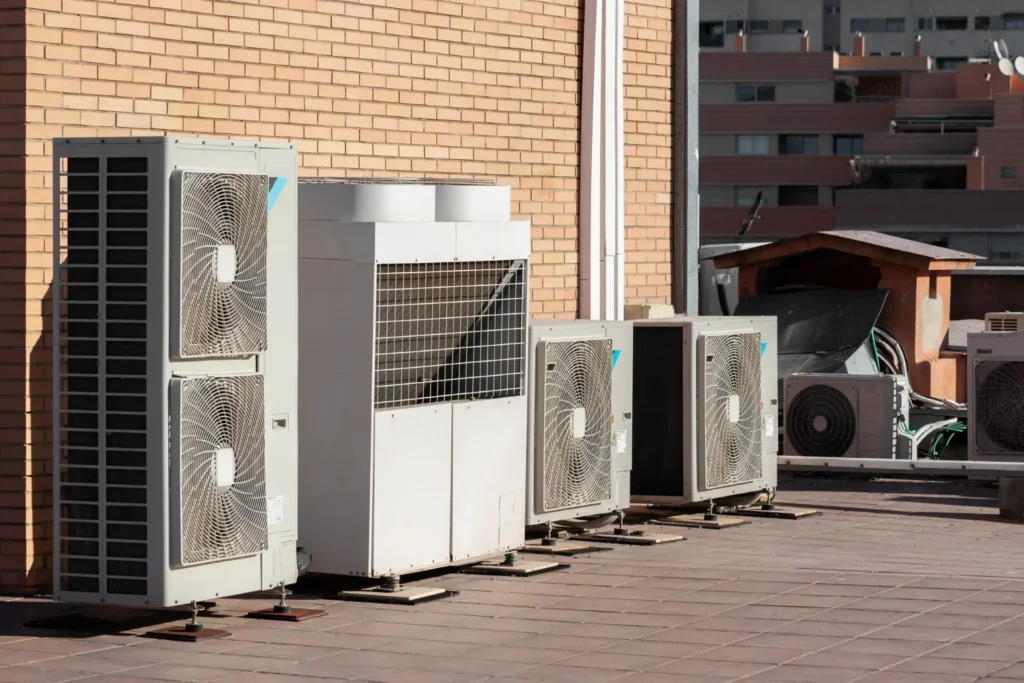
ICTESS’s Air-to-Water Heat Pump Training Course includes hands-on training in heat-load calculation methods based on ACCA Manual J and Manual S, using technical spreadsheets and standardized industry procedures. You’ll learn to read and use online selection tools from manufacturers such as Daikin, Vaillant, Bosch, or Mitsubishi Electric, the tools installation companies use every day to size equipment for each project’s specific conditions. You’ll also work with professional technical catalogs to select hydraulic components, heat pump performance curves by outdoor temperature, and emitter sizing tables based on system supply temperature. The approach is hands-on throughout, mirroring the real process specialized technicians follow on air-to-water heat pump installation projects.
You don’t need a state HVAC contractor license to take this course, since it focuses on the technical skills of sizing, designing, and configuring these systems. However, to work professionally as a licensed HVAC installer in the United States, you’ll later need to obtain the applicable state or local license, and, where refrigerant is handled, EPA Section 608 certification. The course is designed both for professionals who already hold a license and want to specialize in air-to-water heat pumps, and for technicians in training who want to build specific knowledge before obtaining their license. The content is especially useful for people working in technical, sales, or maintenance departments where knowledge of air-to-water heat pumps adds value even without performing installations directly.
The ICTESS Professional Certificate validates your specialized technical training in air-to-water heat pump systems and is recognized by industry employers as high-level supplementary training. While it doesn’t replace the official licensing required to work as a licensed HVAC installer, the certificate documents specific, highly valued skills: heat pump sizing, hydraulic circuit design, component selection based on technical and economic criteria, and knowledge of the configurations most common in the industry. Many installation companies, HVAC distributors, and manufacturer service centers value this specialized training as a differentiator, since it demonstrates up-to-date knowledge of the fastest-growing technology in the sector and the ability to handle air-to-water heat pump projects with professional judgment.
This Air-to-Water Heat Pump Training Course stands out for its exclusive focus and technical depth on air-to-water heat pump systems. While general HVAC courses cover multiple technologies at a surface level, this program focuses specifically on air-to-water heat pumps with the level of detail professional practice requires: thermodynamic principles of the reverse refrigeration cycle, HSPF2/SEER2 seasonal performance analysis, load-based sizing using standardized methodology, hydraulic circuit design with inertia tanks and storage tanks, and the configurations most common in the US market (monobloc, split, hybrid). The content includes real selection criteria using spec sheets from leading manufacturers, hands-on case studies of typical installations, and a Capstone Project where you develop a complete project. This level of specialization isn’t available in general HVAC courses, and it’s exactly what companies look for when filling technical air-to-water heat pump positions.