
Fully online technical training designed around real industry demand, so you can specialize at your own pace.
10/31/2026
Start Date
2 months
Duration
100
Total Hours
6 Modules
Program
Duration
Total Hours
Program
Start Date
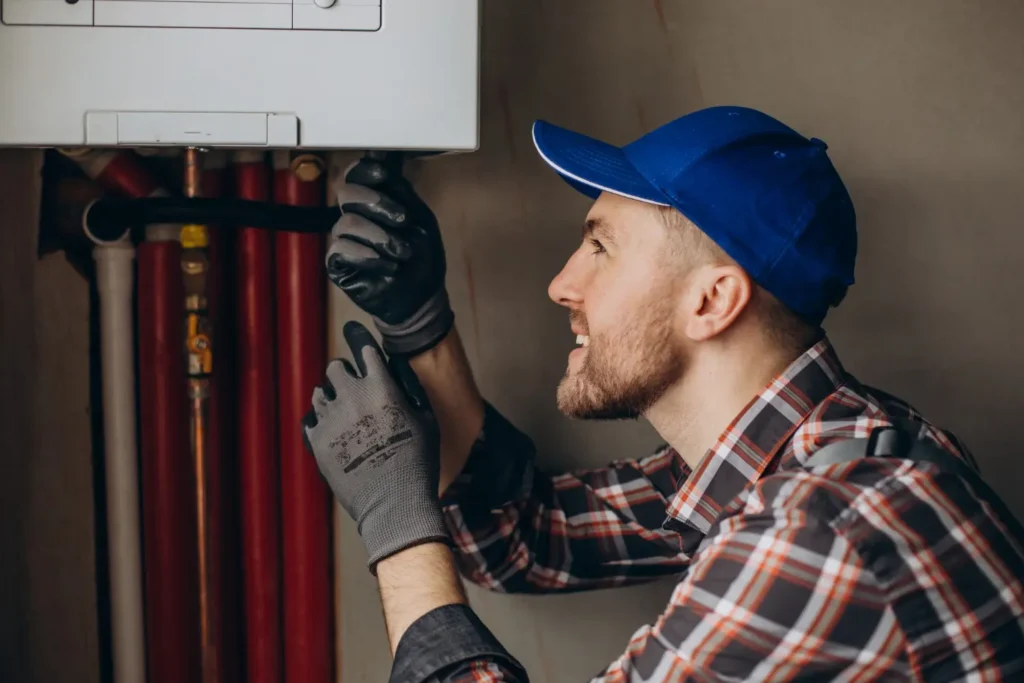
ICTESS’s Heating Systems Training Course is designed to train professionals in the design, selection, and installation of heating systems for residential and commercial buildings. The program covers the main heat-generation and heat-emission technologies used in the industry: gas boilers, heat pumps, radiators, radiant floor systems, and control systems.
You’ll learn the technical fundamentals needed to correctly size a heating installation: heat-load calculations, selecting heat generators based on energy demand, hydraulic circuit design, system balancing, and configuring control and regulation systems. The course includes a Capstone Project where you’ll apply everything you’ve learned to the design of a complete heating installation.
The building HVAC industry is under constant pressure to move toward more efficient, sustainable systems. Tightening energy codes (IECC, ASHRAE 90.1) require installations that guarantee thermal comfort while minimizing energy use. This reality demands technicians who can design and install heating systems that meet current and future efficiency requirements.
The purpose of this course is to train professionals who can handle heating projects from initial needs assessment through commissioning. You’ll learn to calculate a building’s heat loads, select the most suitable heat generator based on technical and economic criteria, design the hydraulic distribution system, choose the right emitters for each space, and configure control systems that optimize how the installation runs.
The training covers high-efficiency technologies such as condensing boilers and air-source heat pumps, and culminates in a Capstone Project where you’ll develop a complete heating installation project applying every technical skill you’ve gained.
The Heating Systems Training Course qualifies you for technical roles at installation companies, building engineering firms, maintenance companies, and heating equipment distributors. You can work as a heating installation technician, thermal projects lead, technical sales advisor, or HVAC maintenance technician.
The training prepares you to manage complete installations from design through handoff: performing heat-load calculations, sizing generators and emitters per applicable codes, designing balanced hydraulic circuits, overseeing installation work, and verifying proper operation through commissioning tests.
You’ll also build skills to advise clients on energy-efficiency solutions, recommend improvements to existing installations, select equipment based on performance and energy-rating criteria, and prepare detailed technical quotes. The hands-on approach lets you apply this knowledge immediately on real projects in the industry.
Study from anywhere with no commuting required. Balance your technical specialization with your current job.
Organize your study time around your own schedule. Move through the material whenever works best for you and reinforce whatever you need.
Learn with current US mechanical and energy codes (IMC, IECC/ASHRAE 90.1) and today's leading technologies: condensing boilers, air-source heat pumps, and smart controls.
Technical video lessons, up-to-date downloadable materials, forums with specialized instructors, and hands-on exercises.
With ICTESS, you’ll get specialized technical training focused on professional practice and designed to help you master the skills the heating and HVAC industry demands. Learn with an up-to-date methodology and real-world industry cases.
What you'll achieve
Calculate heat loads for residential and commercial buildings, applying standardized methodologies and factoring in envelope, orientation, use, and occupancy.
Select heat generators (gas boilers, condensing boilers, heat pumps) by evaluating seasonal performance, energy rating, and suitability to the building’s heat demand.
Size and design hydraulic distribution circuits, including piping, valves, circulation pumps, and balancing components to ensure even heat distribution.
Choose heat emitters (radiators, radiant floor systems, fan coils) based on space characteristics, system supply temperature, and comfort and aesthetic criteria.
Configure control and regulation systems (thermostats, thermostatic valves, control panels) to optimize installation performance and maximize energy efficiency.
The building heating industry is undergoing deep change driven by tightening energy-efficiency codes. Applicable mechanical codes (IMC) and updates to building energy codes (IECC/ASHRAE 90.1) set increasingly demanding requirements that call for professionals with up-to-date technical training in efficient heating systems.
Accelerated boiler-stock turnover: Tightening restrictions on low-efficiency fossil-fuel boilers are driving widespread equipment replacement in existing buildings. Installation companies need technicians who can design and install condensing systems and heat pumps that meet applicable codes and maximize energy savings.
Integration with renewable energy systems: Today’s projects combine conventional heating with renewable sources such as air-source heat pumps and solar thermal. Specializing in heating gives you the technical foundation to understand hybrid systems and grow into increasingly complex, efficient installations.
Competitive edge in the job market: Specialized heating training sets you apart from unqualified profiles. Mastering thermal calculations, applicable codes, equipment selection, and control systems positions you as a top candidate at companies looking for technicians who can guarantee correctly sized installations.
Completing the Heating Systems Training Course positions you in an industry with steady demand for qualified technical professionals. Building renovation activity and tightening energy-efficiency requirements generate continuous job opportunities at installation companies, engineering firms, and maintenance services.
Access to a stable job market: Heating installations require qualified professionals for new construction as well as renovation and maintenance work. Technical specialization gives you access to positions with more responsibility and better pay than generalist roles in the installation trades.
Mastery of high-efficiency technologies: You’ll learn to work with condensing boilers, air-source heat pumps, and smart control systems, technologies that are replacing conventional equipment and that companies increasingly look for.
Ability to design complete installations: You’ll build the skills to handle projects from the initial calculation through commissioning, letting you take on higher-level technical responsibilities and offer a full-service package to residential and commercial clients.
Recognized professional certificate: The ICTESS Professional Certificate validates your specialized technical training in heating systems, strengthening your position in the job market and confirming your competencies.
This course is designed for professionals and technicians looking to specialize in the design, installation, and maintenance of building heating systems. Recommended profiles include:
Program details

The Capstone Project is the culmination of the program and represents the practical integration of every technical skill built throughout the course. It consists of developing a complete heating installation project, from calculating thermal needs through specifying equipment and control systems, applying the professional methodologies used in the industry.
The project is built around a residential or commercial building, where you’ll calculate heat loads factoring in envelope, orientation, use, and occupancy. Based on the calculated demand, you’ll select the most suitable heat generator (condensing boiler, heat pump), justifying your choice with performance and energy-rating criteria. You’ll design the hydraulic distribution circuit with piping, valves, and pumps, and choose the right heat emitters for each space based on supply temperature and comfort criteria.
The project also includes configuring the control and regulation system with thermostats, thermostatic valves, and time-based programming, as well as preparing an installation schematic and a technical report documenting every design decision. The final deliverable must be presented at the technical level and professional format suitable for use as a reference on real projects, demonstrating your ability to design correctly sized, efficient heating installations.

ICTESS’s Heating Systems Training Course gives you complete technical training in building heating systems. You’ll learn to calculate heat loads for residential and commercial spaces, select heat generators (gas boilers, condensing boilers, air-source heat pumps) based on performance and efficiency criteria, size hydraulic distribution circuits with piping and pumps, choose heat emitters (radiators, radiant floor systems, fan coils) suited to each application, and configure control systems with thermostats and thermostatic valves. The program covers applicable US codes (IMC, IECC/ASHRAE 90.1) and energy-efficiency criteria applied to real installations.
Prior professional experience isn’t required, though a basic understanding of thermal physics and familiarity with building systems is recommended. The course is designed to be accessible to people with basic technical training (electrical, plumbing, HVAC) or graduates of related vocational programs. It’s also a good fit for working professionals who want to formalize and expand the knowledge they’ve picked up on the job. The content starts from fundamentals and progressively moves toward more complex calculations and designs, so people at different starting levels can follow the program and build complete professional skills.
The ICTESS Professional Certificate validates your specialized technical training in heating systems and is recognized by industry companies as quality supplementary training. While it doesn’t replace the official licensing required by law for certain work (such as a state HVAC contractor license), the certificate documents specific, highly valued skills: heat-load calculations, equipment selection, installation design, and knowledge of applicable codes. Many installation and maintenance companies value this hands-on technical training as a complement to professional experience, since it demonstrates up-to-date knowledge of efficient technologies and the ability to design correctly sized installations.
ICTESS’s Heating Systems Training Course stands out for its complete technical approach and its focus on real professional practice. While many courses offer generalist content or focus only on physical installation, this program covers the full technical design process: heat-load calculations using standardized methodology, generator selection based on seasonal performance (HSPF2/SEER2) and energy rating, hydraulic circuit sizing, and control system configuration. The content includes current technologies such as condensing boilers and air-source heat pumps, applicable US codes (IMC, IECC/ASHRAE 90.1), and energy-efficiency criteria. The Capstone Project also lets you develop a complete project that can become part of your professional portfolio.