
Fully online technical training designed around real industry demand, so you can specialize at your own pace.
10/31/2026
Start Date
2 months
Duration
100
Total Hours
8 Modules
Program
Duration
Total Hours
Program
Start Date
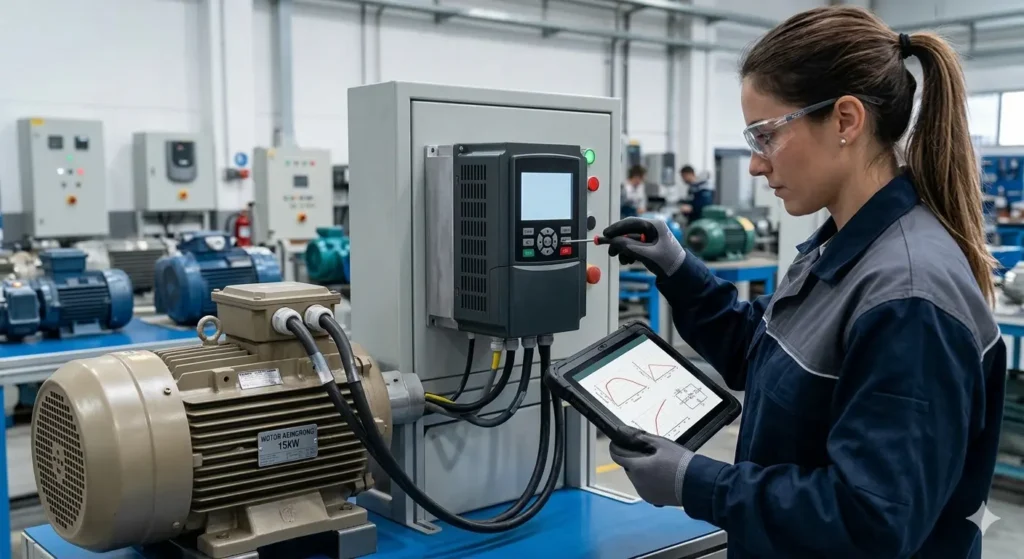
ICTESS’s Machine Safety (SIL/PL) Training Course is designed to train specialists in the design, evaluation, and validation of safety-related control systems for industrial machinery. The program covers the two foundational standards in the field: ISO 13849-1 for Performance Level (PL) and IEC 62061 for Safety Integrity Level (SIL).
You’ll learn the technical criteria for conducting risk assessments under ISO 12100, determining the required safety levels (PLr/SIL), designing emergency stop circuits and muting functions, selecting certified architectures and components, and preparing the technical documentation needed to support machine safety compliance in the US market. The course includes a capstone project where you’ll apply everything you’ve learned to a complete functional safety project.
The Machine Safety (SIL/PL) Training Course responds to the legal and technical obligation to protect workers who operate industrial machinery. OSHA’s machine guarding requirements (29 CFR 1910 Subpart O), along with the ANSI B11 series of machine safety standards and NFPA 79 for machine control system electrical safety, call for manufacturers and integrators to demonstrate that essential safety requirements are met, which requires professionals who can correctly apply ISO 13849-1 and IEC 62061 in control system design.
The course’s purpose is to train professionals who can lead the complete functional safety process on machinery projects. You’ll learn to identify hazards and estimate risk, determine the required Performance Level or SIL, select appropriate safety architectures, calculate reliability parameters such as MTTFd, DC, and CCF, and design safety functions that meet applicable standards.
The training includes hands-on work with calculation tools such as SISTEMA (IFA) and PAScal (Pilz) for verifying safety levels, and culminates in a capstone project where you’ll develop a complete project applying every skill acquired across the technical modules.
The Machine Safety (SIL/PL) Training Course prepares you for specialized technical roles at machine builders, systems integrators, industrial safety consultancies, and plant engineering departments. You can work as a functional safety engineer, a machine safety compliance lead, a machine safety consultant, or a control system validation technician.
The training prepares you to manage complete functional safety projects: performing risk assessments using standardized methodologies, designing safety control systems with certified architectures, calculating reliability parameters such as PFHd and MTTFd, running validation plans, and generating the technical documentation needed for machine safety compliance files.
You’ll also build the skills to audit existing installations, propose safety upgrades on machines already in service, integrate protective devices such as light curtains and laser scanners, and advise manufacturers on meeting applicable machine safety requirements. The hands-on approach lets you apply what you learn directly to real-world industry projects.
Study from anywhere with no commuting required. Balance your technical specialization with your current professional career.
Organize your study schedule around your own availability. Move through modules at the pace that works best for you and revisit anything you need extra practice with.
Learn with SISTEMA (IFA) and PAScal (Pilz), the PL/SIL verification tools used on real-world projects.
Technical video lessons, up-to-date downloadable materials, forums with specialized instructors, and hands-on risk assessment exercises.
With ICTESS, you’ll get specialized technical training focused on professional practice and designed to help you master the skills the machine safety field demands. Learn with an up-to-date methodology and real standards-based calculation tools.
What you'll achieve
Interpret and apply ISO 13849-1 and IEC 62061 to the design of safety-related control systems for industrial machinery.
Perform risk assessments under ISO 12100 and determine the required Performance Level (PLr) or required SIL for each identified safety function.
Design emergency stop circuits, muting functions, and protective systems using light curtains, laser scanners, and certified devices.
Execute validation plans under ISO 13849-2, including fault simulation, response time verification, and test documentation.
Prepare the technical documentation for the functional safety file: MTTFd, DC, and CCF calculations, validation reports, and machine safety compliance documentation.
Machine safety is an inescapable legal and liability requirement for manufacturers and integrators operating in the US market. OSHA’s machine guarding rules and the ANSI B11 series call for demonstrating that control systems meet risk-appropriate safety levels, which means correctly applying ISO 13849-1 and IEC 62061. Non-compliance can lead to OSHA citations and fines, equipment being pulled from service, and civil (or in severe cases, criminal) liability following an accident.
A Critical Shortage of Functional Safety Specialists: The job market faces a significant shortage of professionals who can perform risk assessments, calculate PL/SIL levels, and prepare technical documentation to applicable standards. Machine builders and specialized consultancies report difficulty filling roles that require expertise in both standards.
Evolving Standards and Rising Technical Demands: The growing adoption of collaborative robots and increasingly complex safety architectures are raising the technical bar for compliance files, with ongoing updates to standards such as ANSI/RIA R15.06 and ISO/TS 15066 for cobot applications. Professionals need to stay current on assessment methodologies, reliability calculations, and validation strategies.
A Competitive Edge in the Job Market: Specialized training in machine safety sets you apart significantly from generalist automation profiles. Mastering risk analysis, safe architecture design, and technical documentation positions you as a top candidate at companies across the industrial sector.
Completing the Machine Safety (SIL/PL) Training Course positions you in a specialized field with strong demand and a shortage of qualified professionals. Mandatory workplace safety compliance and growing scrutiny of industrial safety are driving steady demand for technicians who can design and validate safe control systems.
Access to Specialized Technical Roles: You can pursue positions such as functional safety engineer, machine safety compliance lead, machine safety consultant, or validation technician, roles that reflect the regulatory specialization this field requires. Mastering both standards (ISO 13849-1 and IEC 62061) significantly broadens your job opportunities.
Mastery of Standards-Based Verification Tools: Proficiency with software such as SISTEMA and PAScal sets you apart in the hiring process, since these are the standard platforms for demonstrating PL and SIL compliance. Hands-on mastery is highly valued by machine builders and safety consultancies.
Ability to Ensure Legal Compliance: You’ll build the skills to prepare complete technical files that demonstrate compliance with applicable machine safety requirements, reducing legal exposure for manufacturers and integrators and protecting operator safety.
Recognized Professional Certificate: The ICTESS professional certificate validates your technical specialization in SIL/PL machine safety, strengthening your position in the industrial job market.
This course is designed for professionals and technicians looking to specialize in designing and validating safe control systems for industrial machinery. Recommended profiles include:
Program details

The capstone project is the culminating stage of the program and represents the practical integration of every technical skill developed throughout the course. It involves developing a complete, real-world functional safety project, from risk analysis through final documentation, applying the standards-based methods and calculation tools used across the sector.
The project addresses a machine or industrial installation where you’ll identify hazards under ISO 12100, estimate the risks associated with each hazard, determine the required PLr or SIL for each safety function, design the control system architecture by selecting categories and certified components, calculate reliability parameters (MTTFd, DC, CCF, PFHd), and verify that the achieved PL or SIL meets requirements.
The project also includes designing emergency stop circuits and protective functions, preparing a validation plan under ISO 13849-2, and producing the complete technical file. The final documentation must be presented with the technical depth and professional format machine safety compliance files require, demonstrating your ability to produce rigorous technical documentation suitable for review by third-party certification bodies, insurance underwriters, or workplace safety inspectors.
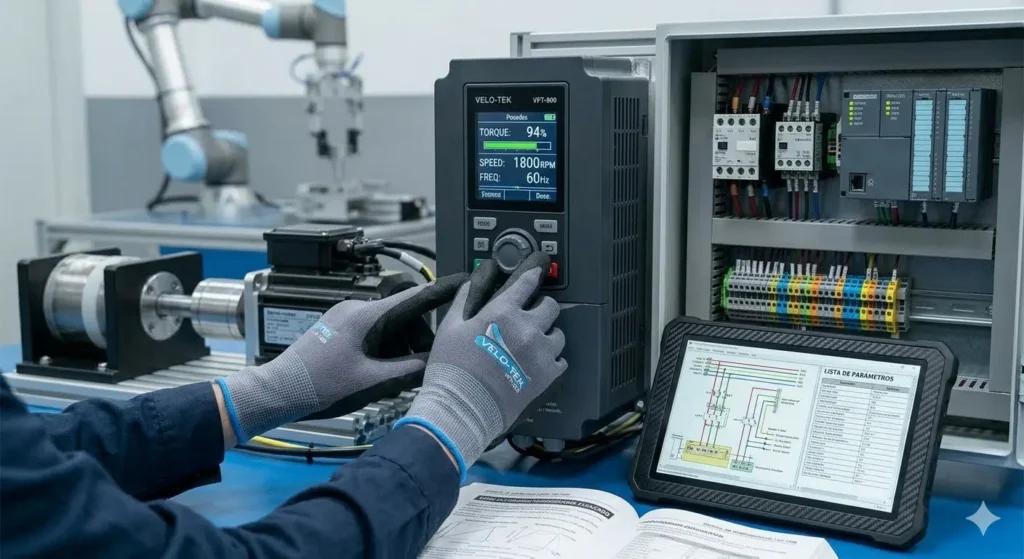
ICTESS’s Machine Safety (SIL/PL) Training Course includes hands-on training with the sector’s standard verification tools: SISTEMA, developed by the German Institute for Occupational Safety and Health (IFA), for calculating and verifying Performance Level under ISO 13849-1, and PAScal by Pilz for verifying safety architectures. You’ll learn to enter data for certified components, calculate parameters such as MTTFd, DC, and CCF, verify that the achieved PL meets the required PLr, and generate documented technical reports. Proficiency with these tools is essential for demonstrating compliance to clients, certification bodies, and workplace safety regulators.
An engineering degree isn’t required, but technical training in automation, industrial electricity, or mechanical engineering is recommended. The course is designed for automation, electrical, and mechanical engineers, but it’s also accessible to maintenance technicians, workplace safety leads, and professionals with industrial machinery experience. A background in industrial electricity, reading electrical schematics, and basic control systems knowledge is required. The program includes fundamentals of the safety standards but focuses especially on the practical aspects of risk assessment, architecture design, and technical documentation, which require a solid technical foundation.
The ICTESS professional certificate validates your technical specialization in SIL/PL machine safety and is recognized by companies in the industrial sector as high-level supplementary training. The certificate documents specific, in-demand skills: applying ISO 13849-1 and IEC 62061, performing risk assessments under ISO 12100, designing safe control systems, calculating reliability parameters, and preparing documentation for machine safety files. While it doesn’t replace professional certifications such as TÜV Functional Safety Engineer or Pilz’s CMSE, many machine builders, integrators, and consultancies value this hands-on training as proof of up-to-date knowledge in functional safety standards.
Performance Level (PL) is defined in ISO 13849-1 and applies primarily to control systems using electromechanical, hydraulic, pneumatic, and programmable electronic technology. It uses architectural categories (B, 1, 2, 3, 4) and evaluates parameters such as MTTFd, DC, and CCF to determine PL levels up to PL e. Safety Integrity Level (SIL) is defined in IEC 62061 and focuses specifically on programmable electronic systems, using concepts such as PFHd (probability of dangerous failure per hour) and hardware requirements (HFT, SFF). Both standards are valid ways to demonstrate compliance with US machine safety requirements, including OSHA’s machine guarding rules and the ANSI B11 series, and the course teaches you when to apply each one based on the technology type and the complexity of the control system