
Fully online technical training designed around real industry demand, so you can specialize at your own pace.
11/07/2026
Start Date
7 months
Duration
750
Total Hours
8 Modules
Program
Duration
Total Hours
Program
Start Date
$3680
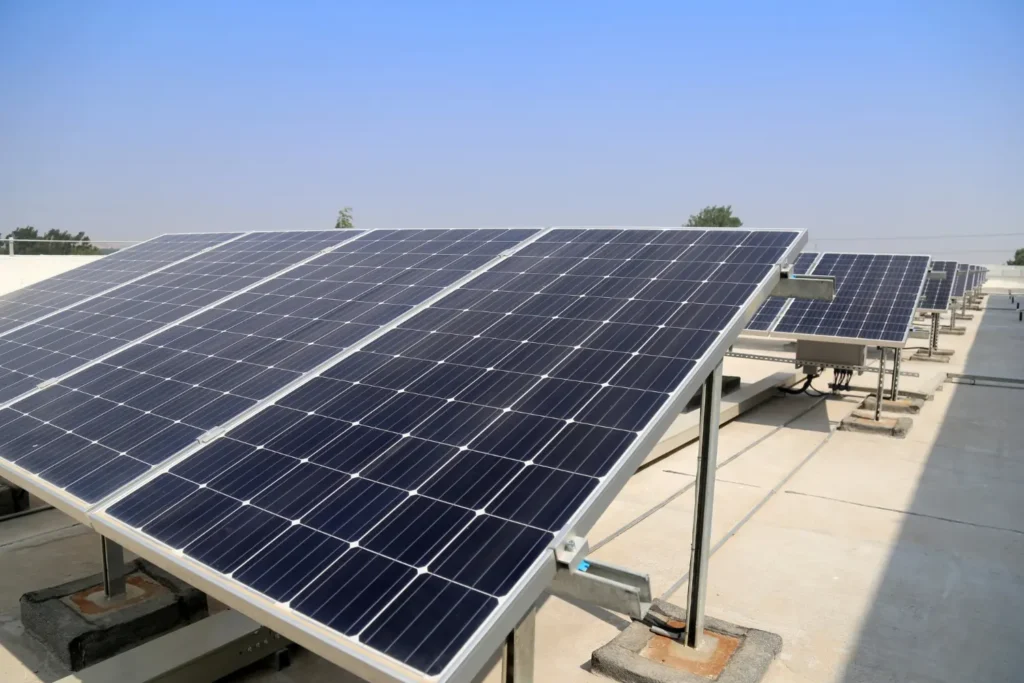
ICTESS’s Solar Thermal Systems for Buildings Specialization is designed to train specialists in the design, sizing, and installation of solar thermal systems for domestic hot water (DHW) production and space heating support. The program covers everything from the fundamentals of solar collection to integration with conventional and high-efficiency backup systems.
You’ll learn the technical calculations behind sizing a system to meet SRCC-certified system performance and applicable energy code requirements: sizing collector arrays, selecting storage tanks based on thermal stratification criteria, configuring hydraulic circuits with antifreeze fluids, and tuning differential control systems. The specialization includes a Capstone Project where you’ll develop a complete solar thermal installation project for a real building.
The Solar Thermal Systems for Buildings Specialization responds to the need for professionals capable of designing and installing solar thermal systems that meet SRCC OG-300 system certification and applicable state and local energy code requirements, including provisions aligned with the IECC and ASHRAE 90.1. The building industry needs technicians specialized in solar thermal energy who can handle both solar contribution calculations and efficient integration with conventional and renewable backup systems.
The purpose of this specialization is to train professionals to size complete solar thermal installations for DHW production and heating support. You’ll learn to calculate energy demand by climate zone, select collectors based on optical performance and loss coefficients, design primary and secondary circuits, configure stratified storage systems, and optimize integration with condensing boilers and air-source heat pumps.
The program includes hands-on training with professional technical software used in the industry (the F-Chart sizing method, T*SOL, Polysun) for performance simulation, and concludes with a Capstone Project in which you’ll develop a complete solar thermal installation project applying every competency gained.
The Solar Thermal Systems for Buildings Specialization qualifies you for specialized technical roles at installation companies, building engineering firms, technical architecture practices, and building maintenance departments. You’ll be prepared to work as a solar systems design technician, DHW system sizing lead, solar thermal installation specialist, or maintenance technician for renewable building systems.
The program prepares you to manage complete projects from the demand study through commissioning: calculating solar contribution against applicable energy code and certification requirements, sizing collector arrays and storage tanks, designing hydraulic schematics with pump and valve selection, configuring differential control systems, and overseeing installation work that meets current standards.
You’ll also gain skills to audit existing installations, propose performance improvements through Performance Ratio (PR) analysis, and design hybrid solutions integrating solar thermal with air-source heat pumps or condensing boilers. The program’s hands-on approach lets you apply your knowledge immediately to real-world projects.
Study from anywhere, with no commuting required. Balance your technical specialization with your current professional career.
Organize your study schedule around your own availability. Move through the modules at the pace that works for you and revisit topics whenever you need to.
Learn the F-Chart sizing method, T*SOL, and Polysun, the same calculation and simulation tools used by engineering firms.
Technical video lessons, up-to-date downloadable materials, forums with specialized instructors, and hands-on sizing exercises.
With ICTESS, you’ll receive specialized technical training focused on professional practice and built to help you master the competencies the plumbing, DHW, and solar thermal energy field demands in building projects. Every program is developed by industry experts and delivers a modern, practical, and flexible learning experience aligned with current market requirements, using real tools and case studies. We’re committed to academic excellence, advanced educational technology, and consistent support that drives your professional growth.
What you'll achieve
Size solar collector arrays applying IECC and ASHRAE 90.1 energy code provisions and SRCC OG-300 system certification requirements, calculating the minimum solar contribution based on climate zone and the building’s DHW demand.
Design primary and secondary hydraulic circuits, selecting pumps, valves, expansion tanks, and glycol heat-transfer fluids based on each installation’s technical requirements.
Calculate storage systems using thermal stratification criteria, selecting volumes, configurations, and connections that maximize the use of captured solar energy.
Configure differential control and regulation systems to optimize automatic system operation and ensure freeze and overheating protection.
Configure differential control and regulation systems to optimize automatic system operation and ensure freeze and overheating protection.
The building industry in the United States is undergoing a significant shift driven by tightening energy efficiency expectations. An increasing number of state and local energy codes, aligned with the IECC and ASHRAE 90.1, call for a minimum renewable contribution to water heating in new construction and major renovations, and SRCC OG-300 certification is required for solar water heating systems to qualify for federal and state clean energy tax incentives. This is turning solar thermal into an increasingly common requirement across residential and commercial building projects, sustaining demand for technicians specialized in sizing and installation.
A code and incentive-driven technology: Unlike some other renewable technologies that remain fully optional, solar thermal is increasingly tied to code compliance and tax incentive eligibility in new buildings and major renovations. Every such project needs professionals capable of calculating, designing, and executing these installations to meet applicable code and certification requirements, which supports stable demand in the sector.
Integration with new HVAC technologies: Hybrid systems combining solar thermal with air-source heat pumps and condensing boilers are becoming increasingly common in high-efficiency buildings. Mastering the technical integration between these technologies positions you as a versatile professional capable of designing complete DHW and heating solutions.
Professional differentiation in the industry: Technical specialization in solar thermal, combined with knowledge of applicable energy codes, simulation software, and professional calculation methods, clearly sets you apart from generalist installers, giving you access to larger and higher-responsibility projects.
Completing the Solar Thermal Systems for Buildings Specialization positions you in a field with growing demand, driven by tightening energy codes and building efficiency targets. Solar thermal systems are increasingly required or incentivized in new construction and major renovations, creating steady demand for specialized professionals.
Access to sustainable building projects: You’ll be able to take part in new construction, energy retrofit, and building performance certification projects where solar thermal is a code or incentive requirement. This specialization opens doors at technical architecture practices, building engineering firms, and installation companies looking for technicians who can meet SRCC and energy code requirements.
Mastery of performance simulation tools: Proficiency with software such as the F-Chart method, T*SOL, and Polysun sets you apart professionally, since these tools are essential for justifying code compliance and system performance on building projects, and are highly valued by architects and design engineers.
Capacity to optimize existing installations: You’ll build the skills to audit installed solar thermal systems, diagnose performance issues through Performance Ratio (PR) analysis, and propose improvements that increase energy efficiency and reduce operating costs.
Recognized professional certificate: ICTESS’s professional certificate validates your technical specialization in solar thermal systems for buildings, strengthening your position in the job market and confirming your competencies to employers in construction and building systems.
This specialization is designed for professionals and technicians seeking to specialize in the design, installation, and maintenance of solar thermal systems for DHW production and heating support in buildings. Recommended candidates include:
Program details

The Capstone Project is the culminating stage of the program and represents the practical integration of every technical competency developed throughout the specialization. It consists of developing a complete solar thermal installation project for a real building, from the demand analysis phase through a maintenance proposal, applying the professional methodologies and calculation tools required under current standards.
The project covers the design of a complete solar array for DHW production in a residential or commercial building. You’ll calculate energy demand based on climate zone and consumption profile, size the collector array applying performance criteria and available surface area, design the storage system with optimal thermal stratification, select pumps, valves, and expansion tanks for the primary circuit, configure the differential control system, and verify compliance with applicable energy codes and SRCC certification requirements using industry-standard sizing tools.
The project also includes designing the integration with the backup system (boiler or air-source heat pump), calculating the expected Performance Ratio (PR), and developing a preventive maintenance plan with safety protocols. The final documentation must meet the technical rigor and professional format expected of an installation project report, demonstrating your ability to produce complete technical documentation suitable for permitting and building energy certification.
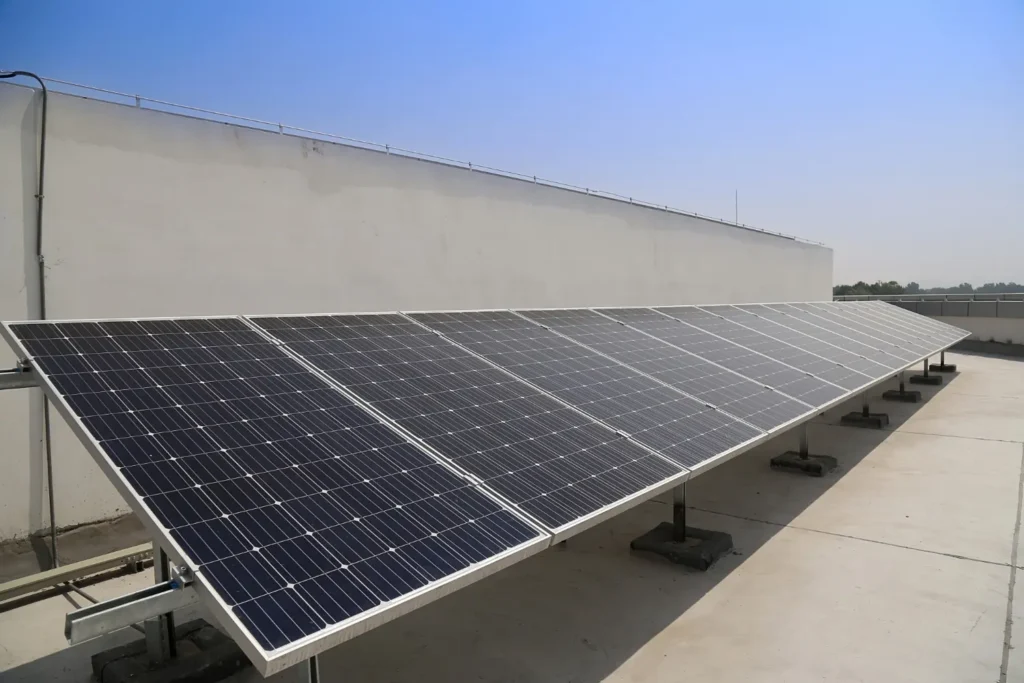
ICTESS’s Solar Thermal Systems for Buildings Specialization includes hands-on training with three essential technical tools used in the industry: the F-Chart method, the classic system-sizing methodology used throughout the U.S. solar thermal industry for detailed performance calculations; T*SOL, professional simulation software for detailed solar thermal system sizing with annual performance analysis; and Polysun, an advanced modeling tool for hybrid installations that integrate solar thermal with other generation systems. You’ll learn to use these programs through real case studies, from entering climate and demand data to generating technical reports for code compliance. Proficiency with F-Chart-based sizing is especially valued, since SRCC-certified performance data and rigorous sizing calculations are what installers and design firms need to document code compliance and tax incentive eligibility.
You don’t need a state contractor license or a NABCEP Solar Heating credential to take the program, although prior technical training in plumbing, HVAC, electrical work, or construction is recommended. The program is designed both for installers seeking to specialize and for design technicians, building engineers, and construction managers who need to master the sizing of these systems. The content includes professional-level technical calculations (hydraulics, heat transfer, energy balances), so it’s important to be able to read installation schematics, work with technical units, and use simulation software. If your goal is to install systems, you’ll need to obtain the applicable state contractor license or professional credential, such as NABCEP certification, afterward, per your state’s requirements.
ICTESS’s Professional Certificate validates your technical specialization in solar thermal systems for buildings and is recognized by installation and construction companies as high-level supplementary training. While it doesn’t replace the state contractor license or professional credential required to install systems, the certificate documents specific, in-demand technical competencies: sizing based on applicable energy codes, use of industry-standard performance simulation software, storage and control system design, and integration with backup technologies. Many installation companies, architecture practices, and building engineering firms value this practical technical training as a complement to a base credential, since it demonstrates familiarity with current codes and proficiency with professional industry tools.
This Solar Thermal Systems for Buildings Specialization stands apart through its specific focus on building applications and its technical depth in code-based calculations. While many courses offer general knowledge about solar collectors, this program focuses on real applications for residential and commercial buildings, with particular emphasis on meeting applicable energy codes and SRCC certification requirements and integrating with existing DHW and heating systems. The content includes professional technical calculations: sizing collector arrays based on demand and climate zone, designing storage systems with stratification, selecting hydraulic components, and configuring differential controls. The specialization also covers integration with air-source heat pumps and condensing boilers, an increasingly in-demand skill in high-efficiency buildings that general courses often don’t cover.