Mastery of multiple joining methods: You’ll learn to solder and braze copper and make fusion joints in plastic piping, adapting to any installation. This technical versatility opens more career opportunities than specializing in one system.

Fully online technical training designed around real industry demand, so you can specialize at your own pace.
10/31/2026
Start Date
2 months
Duration
100
Total Hours
6 Modules
Program
Duration
Total Hours
Program
Start Date
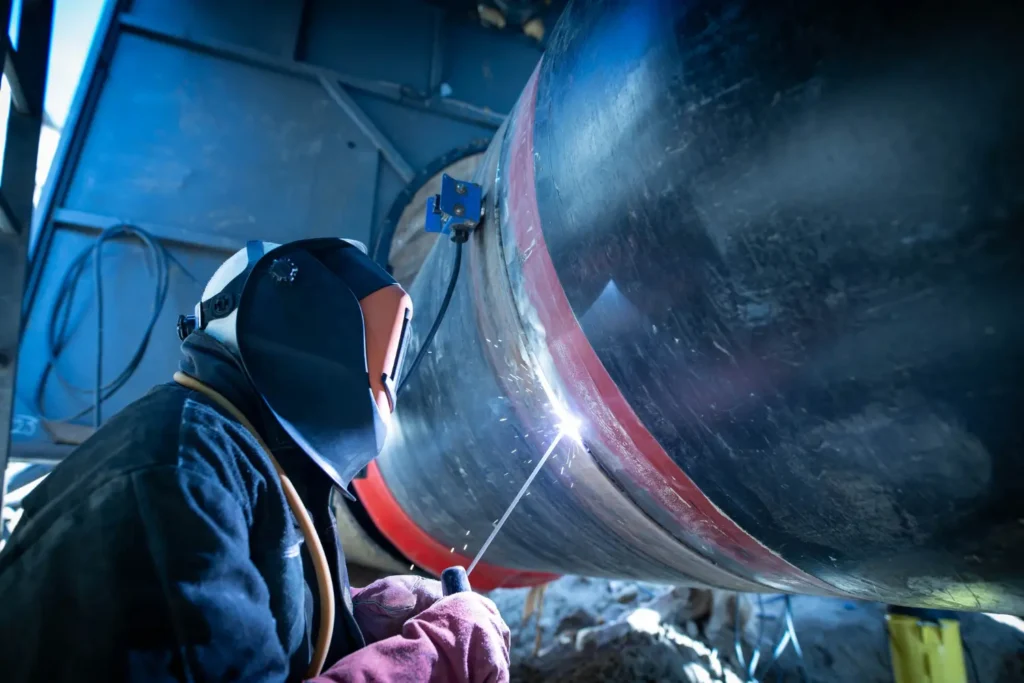
ICTESS’s Plumbing Pipe Soldering and Joining Training Course delivers specialized technical training in the main pipe joining methods used in plumbing systems and water distribution piping. The program covers traditional copper soldering and brazing as well as modern electrofusion and heat fusion systems for plastic piping.
You will learn the technical procedures that produce leak-tight, long-lasting joints: soldering and brazing copper tube, electrofusion of polyethylene (PE), socket fusion of PP-R, pressure testing methods aligned with IPC and UPC requirements, and protection against galvanic corrosion. The course includes a Capstone Project where you will apply everything you have learned to a hands-on piping installation project.
Plumbing systems depend on properly made joints to stay leak-tight and durable over the long term. The plumbing industry needs professionals who have mastered both classic copper soldering and brazing and the fusion methods used for thermoplastic piping, which is increasingly common in residential and industrial installations.
The purpose of the course is to train technicians who can select the right joining method based on material, working pressure and application. You will learn to make soldered and brazed joints with different filler alloys, perform electrofusion and heat fusion joints with professional equipment, verify quality through pressure testing, and apply corrosion protection at critical points in the system.
The training covers the soldering and fusion equipment used on professional job sites, as well as pressure gauges and leak testing equipment. The program concludes with a Capstone Project in which you will develop a complete project applying every joining technique covered.
The Plumbing Pipe Soldering and Joining Training Course prepares you for technical roles at plumbing contractors, industrial maintenance companies, HVAC and DHW contractors, and the MEP departments of general contractors. You can work as a specialized installer, piping maintenance technician, plumbing technician or piping installation supervisor.
The training prepares you to deliver joining work to professional standards: soldering and brazing copper with the right alloy for each service temperature, making electrofusion joints in PE piping, applying heat fusion techniques in PP-R systems, and verifying leak tightness through standardized pressure tests.
You will also build skills to diagnose failures in existing joints, propose repair solutions, apply corrosion protection in mixed-material systems, and document completed work to professional standards. The hands-on approach lets you apply what you learn directly on real job sites.
Study from anywhere, with no commute. Fit this technical specialization around your current work schedule.
Plan your study time around your own availability. Move through the modules at your own pace and go back to any topic you want to reinforce.
Learn real soldering and fusion procedures through practical case studies that replicate job site and maintenance scenarios.
Technical video lessons, regularly updated downloadable materials, forums with specialized instructors, and hands-on application exercises.
With ICTESS, you will receive specialized technical training focused on professional practice and designed to help you master the skills the plumbing and piping industry demands. You will learn with an up-to-date methodology and real job site procedures.
What you'll achieve
Perform soldered and brazed joints on copper tube, applying the correct filler alloys for the system’s service temperature and working pressure.
Make electrofusion joints on polyethylene (PE) pipe and heat fusion joints on polypropylene (PP-R) using professional equipment and standardized parameters.
Verify the leak tightness of piping systems through pressure testing under applicable plumbing codes such as the IPC and UPC, interpreting results and detecting potential leaks.
Apply galvanic corrosion protection in mixed-material systems, selecting compatible materials and appropriate transition fittings.
Implement installation best practices in water piping networks, ensuring joint quality and compliance with technical specifications.
The plumbing and piping industry keeps evolving as new materials and joining techniques reach the market. Traditional copper tube now coexists with modern polyethylene and polypropylene systems, so the industry needs versatile professionals who can master several joining technologies and choose the right one for each application.
Joint quality as a critical factor: Leaks in piping systems cause significant financial losses and water damage to buildings. Employers look for technicians who can make flawless joints that pass pressure testing, reducing callbacks and repair costs that directly affect project profitability.
Shift toward thermoplastic materials: Today’s installations increasingly use PE and PP-R piping because it is durable and easy to install. Professionals who master electrofusion and heat fusion gain access to larger projects where these materials are part of the required specifications.
Competitive advantage of technical versatility: Mastering both traditional soldering and plastic pipe fusion sets you apart from installers who specialize in a single system. This versatility lets you take on any type of project and makes you a more valuable professional for plumbing and maintenance contractors.
Completing the Plumbing Pipe Soldering and Joining Training Course positions you as a versatile professional who can work with the industry’s main joining systems.
Mastery of multiple joining methods: You’ll learn to solder and braze copper and make fusion joints in plastic piping, adapting to any installation. This technical versatility opens more career opportunities than specializing in one system.
Ability to deliver leak-tight installations: Mastering leak testing and verification sets you apart as a detail-oriented professional. Employers value technicians who document their work quality and reduce callbacks for leaks.
Corrosion protection expertise: Understanding galvanic corrosion mechanisms and the technical solutions that prevent it lets you design longer-lasting systems and advise on compatible materials, adding value to your professional profile.
Recognized professional certificate: ICTESS’s professional certificate validates your technical specialization in pipe soldering and joining, strengthening your position in the job market and demonstrating your skills to employers in the industry.
This course is designed for professionals and technicians who want to specialize in the main joining techniques used in plumbing and water piping systems. Recommended profiles include:
Program details

The Capstone Project is the culminating stage of the training and represents the practical integration of every technical competency developed throughout the program. It consists of a complete piping installation project that applies the joining techniques covered, from planning through final leak testing.
The project includes selecting the right materials and joining methods for the system’s characteristics: working pressure, service temperature and material compatibility. You will plan copper soldering and brazing with the correct alloy, design PE electrofusion joints by specifying electrofusion fittings, and define PP-R heat fusion parameters. The project also includes designing the pressure testing protocol and specifying corrosion protection at critical points.
The project also requires complete technical documentation: installation drawings that identify each joint, material and fitting specifications, execution procedures for each technique, and a testing protocol with acceptance criteria. The final documentation must meet the technical level and professional format that piping installation projects demand, demonstrating your ability to plan, execute and verify joining work to professional standards.
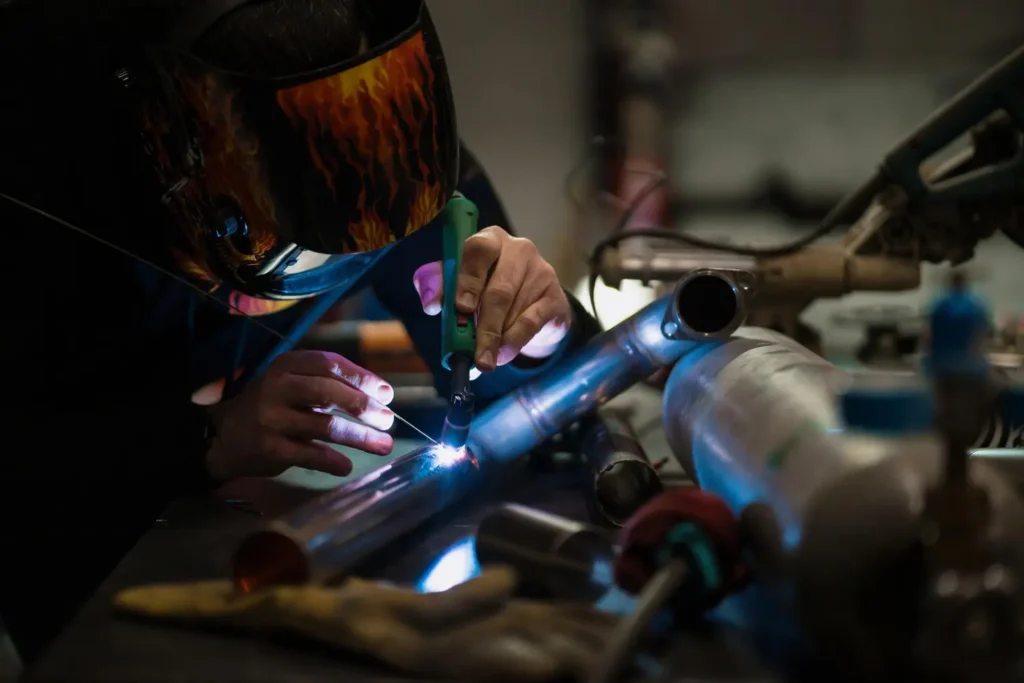
ICTESS’s Plumbing Pipe Soldering and Joining Training Course covers the main techniques used in professional installations: soldering with lead-free tin-silver alloys for potable water systems, brazing with copper-phosphorus alloys for higher-temperature HVAC circuits, electrofusion of polyethylene pipe using electrofusion fittings with embedded heating wire, and socket fusion for polypropylene (PP-R) systems. You will learn the complete procedure for each technique: surface preparation, filler metal selection, temperature and time parameters, and joint quality verification. You will also study the standardized pressure tests used to confirm that the work was done correctly.
Prior professional experience is not required, although a basic understanding of plumbing systems, pipe types and fittings is recommended. The course is designed for installers seeking technical specialization, but it is also open to people with technical training in construction, maintenance or building services who want specific soldering and joining skills. The content starts from technical fundamentals and builds toward professional procedures, so you should be able to read installation drawings, handle hand tools and follow technical procedures carefully.
ICTESS’s professional certificate validates your technical specialization in pipe soldering and joining, and industry employers value it as specialized continuing education. It does not replace the state plumbing license required for certain work, but it documents highly valued technical skills: mastery of multiple joining techniques, knowledge of applicable codes, the ability to perform pressure tests, and the use of corrosion protection. Plumbing and maintenance contractors especially value this kind of hands-on technical training alongside field experience, because it shows up-to-date knowledge of procedures and professional best practices.
The Plumbing Pipe Soldering and Joining Training Course stands out for its specific focus on joining techniques and for covering every system currently used in the industry. General plumbing courses address many aspects of plumbing installations, while this program focuses only on joining methods: copper soldering and brazing, polyethylene electrofusion, and polypropylene heat fusion. It also includes technical content rarely found in entry-level training: alloy selection by service temperature, standardized fusion parameters, pressure testing protocols under applicable codes, and galvanic corrosion protection for mixed-material installations.