Recognized professional certificate: ICTESS’s certificate validates your specialization in plumbing and DHW, strengthening your job market position and demonstrating your skills to employers in the building services industry.

Fully online technical training designed around real industry demand, so you can specialize at your own pace.
10/31/2026
Start Date
2 months
Duration
100
Total Hours
6 Modules
Program
Duration
Total Hours
Program
Start Date
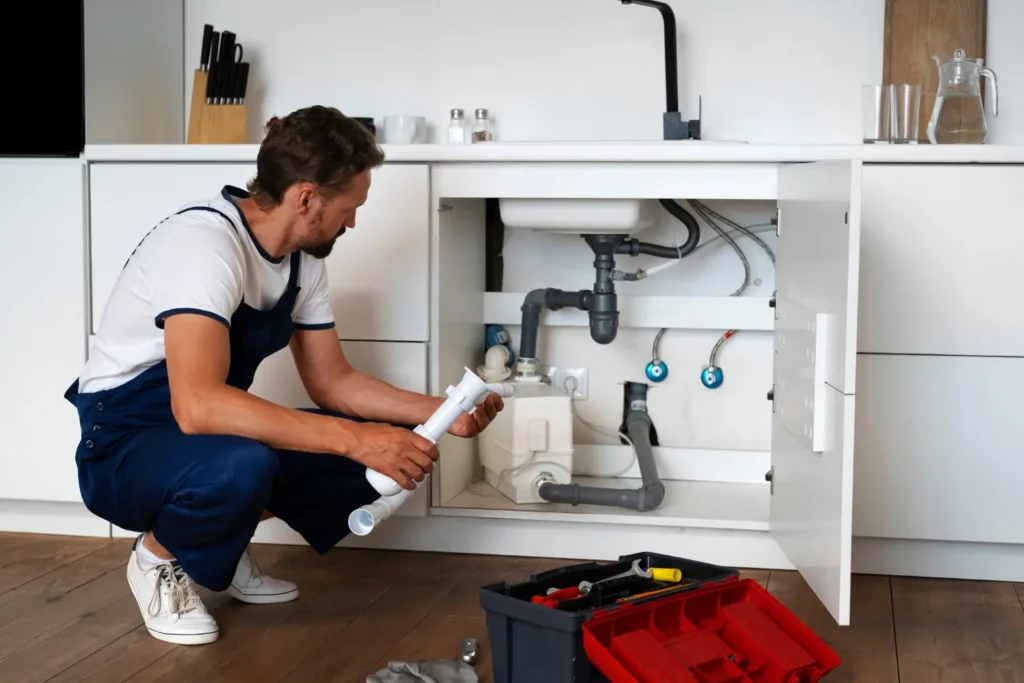
ICTESS’s Plumbing Training Course trains specialized technicians in the design, installation and maintenance of water distribution systems in buildings. The program covers everything from fundamental hydraulic principles to current installation techniques with metal and plastic piping.
You will learn the technical calculations used in real installations: sizing water supply systems with water supply fixture units (WSFU), selecting materials based on working pressure and chemical compatibility, soldered and press fitting joining techniques, designing domestic hot water (DHW) circuits with recirculation systems, and complying with the IPC and UPC. The course includes a Capstone Project where you will apply everything you have learned to a complete plumbing installation project.
The Plumbing Training Course responds to the steady demand for qualified technicians who can install water systems in compliance with current plumbing codes. Construction and building maintenance need professionals who master installation techniques, sizing criteria and the health and safety requirements that apply to water supply systems.
The purpose of the course is to train professionals who can deliver complete plumbing installations, from the water service line to the fixtures. You will learn to read plumbing drawings, size pipe diameters based on fixture demand, select the right materials for each application, make leak-tight joints with different techniques, install DHW systems, and perform pressure tests following standardized protocols.
The training covers the trade’s professional tools (pipe cutters, benders, soldering torches and press tools) and concludes with a Capstone Project in which you will develop a comprehensive project applying every competency gained in the technical modules.
The Plumbing Training Course prepares you for specialized technical roles at plumbing contractors, building maintenance companies, municipal facilities departments, and the facility management departments of large corporations. You can work as a plumbing installer, building systems maintenance technician, plumbing technician on construction sites, or repair lead at technical service companies.
The training prepares you to deliver complete water supply installations: laying out systems according to the project drawings, installing piping with different materials and joining methods, installing valves and control components, connecting plumbing fixtures, setting up DHW systems, and verifying proper operation through standardized tests.
You will also build skills to diagnose and repair common failures, replace worn components, perform preventive maintenance, and complete work orders and technical documentation. The hands-on approach lets you apply what you learn directly to real installations in the trade.
Study from anywhere, with no commute. Fit this technical specialization around your current work schedule.
Plan your study time around your own availability. Move through the modules at your own pace and go back to any topic you want to reinforce.
Learn based on the current IPC and UPC, Legionella prevention guidance such as ASHRAE Standard 188, and installation techniques with today's materials.
Technical video lessons, regularly updated downloadable materials, forums with specialized instructors and hands-on exercises.
With ICTESS, you will receive specialized technical training focused on professional practice and designed to help you master the skills the plumbing and DHW industry demands. You will learn with an up-to-date methodology and content based on current codes.
What you'll achieve
Apply fundamental hydraulic principles (pressure, flow, friction loss) to size water distribution systems in residential and commercial buildings.
Select piping materials (copper, steel, PVC, PEX, PEX-AL-PEX) based on application, working pressure, temperature and compatibility with the supply water quality.
Design and install domestic cold and hot water circuits, including DHW systems, recirculation and Legionella prevention in line with ASHRAE Standard 188.
Diagnose and repair common plumbing failures: leaks, clogs, faucet failures, toilet tanks and water heating systems.
Interpret and apply the IPC or UPC, as adopted by the local jurisdiction, to deliver installations that comply with the code requirements for water supply in buildings.
Plumbing continues to see sustained demand for qualified professionals. Existing buildings need ongoing maintenance of their water systems, while new construction must meet increasingly demanding requirements for water efficiency and public health protection. That creates a steady need for specialized technicians with up-to-date training.
Shortage of fully trained professionals: The job market lacks plumbers who master both traditional techniques and new materials and joining systems. Contractors especially value professionals who can read project drawings, size installations and comply with current codes, skills that go well beyond basic installation work.
Increasingly demanding health requirements: Legionella prevention and the requirements of the IPC and UPC call for installations built to rigorous technical standards. Professionals who master the applicable codes and installation best practices gain access to work with greater responsibility.
Competitive advantage in the job market: Specialized plumbing training sets you apart from workers without documented qualifications. Mastering sizing calculations, proper joining techniques and technical codes positions you as a top candidate for plumbing contractors and maintenance services.
Completing the Plumbing Training Course positions you in a field with steady demand for qualified professionals. Water systems need ongoing maintenance, and new construction needs technicians who can install code-compliant systems.
Access to an in-demand trade: Plumbing offers strong employment prospects, driven by the ongoing need to install, maintain and repair water systems in residential, commercial and industrial buildings.
Command of current techniques: You’ll learn modern materials and joining systems (PEX-AL-PEX, press fittings, PEX) that are replacing traditional techniques, giving you access to new construction projects requiring today’s installation technology.
Ability to work independently: You’ll build skills to diagnose problems, plan jobs, and complete repairs without supervision. This prepares you for lead roles within installation crews or, once you meet state licensing requirements, to work as an independent contractor.
Recognized professional certificate: ICTESS’s certificate validates your specialization in plumbing and DHW, strengthening your job market position and demonstrating your skills to employers in the building services industry.
This course is designed for professionals and individuals who want to specialize in the installation, maintenance and repair of plumbing and DHW systems. Recommended profiles include:
Program details

The Capstone Project is the culminating stage of the training and represents the practical integration of every technical competency developed throughout the program. It consists of a complete plumbing installation project, from needs analysis through commissioning, applying the professional methodologies and technical criteria used in the trade.
The project covers the design of a complete domestic cold and hot water installation for a typical building. You will calculate fixture demand in water supply fixture units, size pipe diameters using velocity and friction loss criteria, select materials by justifying compatibility and code requirements, design the system schematic with the location of shutoff valves, control valves and safety devices, and specify the DHW system with Legionella prevention.
The project also includes a bill of materials with quantities, planning of the installation sequence, a pressure testing protocol under applicable codes, and the documentation needed for commissioning. The final report must meet the technical level and professional format that plumbing projects demand, demonstrating your ability to plan and document plumbing work with technical rigor applicable to real situations in the trade.
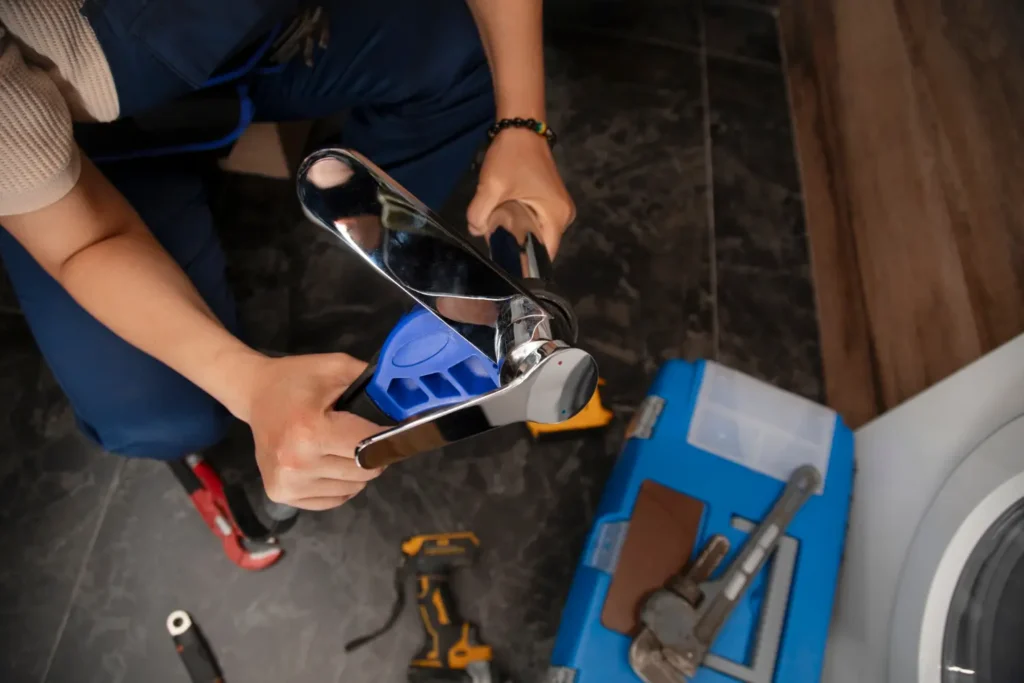
ICTESS’s Plumbing Training Course includes practical training with the trade’s standard professional tools: pipe cutters for different materials, manual and hydraulic benders, soldering and brazing equipment for copper, pipe threaders for galvanized steel, and press tools for PEX-AL-PEX and press fitting systems. You will learn the joining techniques specific to each material: soldering and brazing copper, threading steel with PTFE tape and pipe dope, solvent cement welding for PVC, and mechanical connections for PEX and PEX-AL-PEX. You will also learn to use diagnostic tools such as pressure gauges for pressure testing, leak detectors and inspection cameras to locate hidden failures.
No previous plumbing experience is required, since the course follows a progressive structure that starts from the fundamentals. However, it helps to have basic DIY skills, the ability to read simple drawings and familiarity with hand tools. The program starts with fundamental hydraulic principles and gradually moves toward more complex techniques, so people without experience can gain the skills they need. Professionals already working in the trade will find the course an opportunity to formalize their knowledge, update their techniques and master current codes.
ICTESS’s professional certificate validates your technical specialization in plumbing and DHW, and industry employers value it as quality continuing education. It does not replace the state plumbing license required for regulated work, which in most states also involves supervised apprenticeship hours and a licensing exam. It does document highly valued technical skills: knowledge of materials and joining techniques, code-based sizing, command of the IPC and UPC, and Legionella prevention criteria. Many plumbing contractors and maintenance services value this technical training as a complement to hands-on experience, because it shows up-to-date knowledge of codes and modern materials.
The Plumbing Training Course stands out for its complete technical approach and its focus on current codes. Many courses cover only basic repair techniques. This program addresses professional system sizing, in-depth knowledge of every current material (including PEX-AL-PEX, PEX and press fitting systems), and compliance with the IPC, UPC and Legionella prevention guidance. The content includes the real technical calculations professional plumbers use: fixture unit demand, pipe sizing by velocity and friction loss, and DHW circuit design with recirculation. The course also concludes with a Capstone Project in which you develop a complete installation project.