The program prepares you to manage automated lighting projects: running lighting studies with IES-based illuminance analysis, selecting compatible luminaires and drivers, programming scenes and sensors, and commissioning DALI networks.

Fully online technical training designed around real industry demand, so you can specialize at your own pace.
10/31/2026
Start Date
2 months
Duration
100
Total Hours
6 Modules
Program
Duration
Total Hours
Program
Start Date
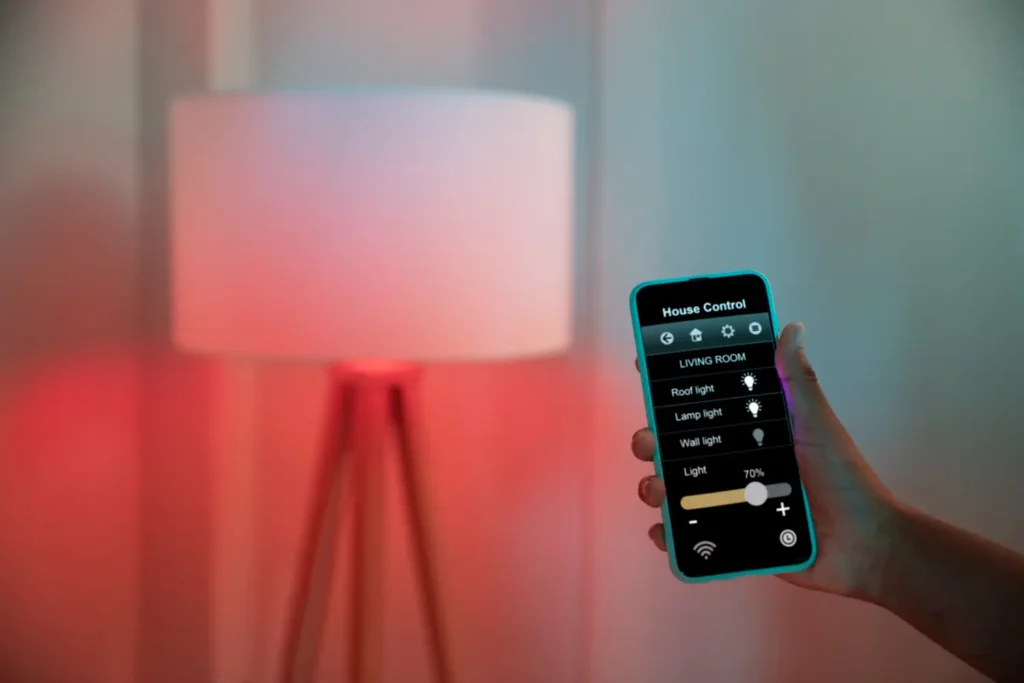
ICTESS’s Lighting Controls & Automation Training Course is designed to train specialists in the design, configuration and management of smart lighting systems in buildings and professional spaces. The program covers the three control interfaces most widely used in the industry, DALI, KNX and Zigbee, along with sensing technologies and automated dimming control.
You will learn the technical fundamentals of luminaires and dimmable drivers, addressing and grouping in control networks, scene and schedule programming through automation platforms, and photometric measurement techniques with occupancy and light-level sensors. The course concludes with a Capstone Project in which you will apply everything you have learned to a complete automated lighting project for a real building.
Lighting automation has become a cornerstone of smart buildings and energy-efficient construction. Energy codes such as ASHRAE 90.1, the IECC and California Title 24 require lighting controls that reduce energy use, including occupancy sensing, automatic shutoff and daylight-responsive controls, and the market needs technicians who can design, install and program solutions using standardized professional protocols such as DALI, KNX and Zigbee.
The purpose of the course is to develop professionals who can select luminaires and drivers based on each project’s technical needs, configure control networks using the industry’s most widely used interfaces, design lighting scenes for different uses and time periods, and implement automatic dimming based on occupancy sensors and daylight measurement to maximize energy savings without sacrificing visual comfort.
The training includes hands-on work with DALI configuration software and ETS programming tools for KNX devices, along with commissioning and diagnostic platforms for Zigbee wireless networks. The course culminates in a Capstone Project in which you will develop a complete lighting automation project using every skill acquired.
The Lighting Controls & Automation Training Course qualifies you for specialized technical roles at home and building automation integrators, MEP engineering firms, professional lighting companies, and facility management departments in commercial buildings. You will be able to work as a smart lighting technician, DALI/KNX programmer, smart building integrator, or lighting automation lead on new construction and retrofit projects.
The program prepares you to manage automated lighting projects: running lighting studies with IES-based illuminance analysis, selecting compatible luminaires and drivers, programming scenes and sensors, and commissioning DALI networks.
You will also build the skills to design energy efficiency solutions through lighting control, integrate lighting systems into building management systems (BMS), and propose automation upgrades for existing installations. The hands-on approach lets you apply what you learn right away on real industry projects.
Study from anywhere, with no commuting. Balance your technical specialization with your current job.
Plan your study around your schedule. Move through the modules whenever it suits you and review what you need.
Learn DALI, KNX and Zigbee through hands-on exercises, the same protocols integrators use on real projects.
Technical video lessons, up-to-date downloadable materials, forums with specialized instructors and hands-on configuration exercises.
With ICTESS, you get specialized technical training focused on professional practice and designed to help you master the skills the building automation and smart building field demands. Learn with an up-to-date methodology and real industry protocols.
What you'll achieve
Identify and select luminaire types, dimmable drivers and LED sources based on each project’s technical requirements and compatibility with DALI, KNX and Zigbee control protocols.
Configure DALI control networks with addressing, grouping and scene programming, and integrate KNX and Zigbee devices into automated lighting systems.
Design lighting scenes and operating schedules tailored to how each space is used, optimizing energy use through automatic dimming and daylight harvesting.
Operate photometric measurement instruments and configure occupancy, light-level and motion sensors to implement smart lighting control strategies.
Develop a complete lighting automation project integrating equipment selection, protocol configuration, scene programming and performance verification.
The building automation and smart building sector is growing steadily, driven by energy efficiency requirements in construction. Lighting is one of the largest electrical loads in commercial buildings, and energy codes such as ASHRAE 90.1, the IECC and California Title 24 require automatic lighting controls in new construction and major alterations. This creates steady demand for lighting automation specialists.
A shortage of technicians qualified in control protocols: Employers report difficulty finding professionals who can configure and commission DALI, KNX and Zigbee lighting systems. Integrators and contractors struggle to fill roles that require hands-on command of multiple communication protocols and the ability to design complete automated lighting solutions.
Convergence of lighting, IoT and building management: Today’s projects treat lighting as part of complete smart building ecosystems connected to BMS platforms and IoT solutions. This calls for versatile professionals who master lighting control protocols and understand their integration with HVAC, security and whole-building energy management.
A competitive edge in the job market: Specialized training in lighting controls and automation sets you apart from generalist electrical or home automation profiles. Mastering hands-on configuration of DALI, KNX and Zigbee, together with scene design and lighting efficiency strategies, makes you a top candidate at leading industry companies.
Completing the Lighting Controls & Automation Training Course positions you in a fast-expanding sector driven by energy efficiency and smart buildings. US energy codes increasingly require automated lighting controls, creating growing demand for technicians who specialize in protocols such as DALI, KNX and Zigbee.
Access to building automation and lighting roles: You can apply for roles such as smart lighting technician, lighting controls programmer or smart building integrator on new construction and retrofit projects. Multi-protocol expertise expands your opportunities at integrators and MEP firms.
Command of industry-standard protocols: Hands-on experience with DALI, KNX and Zigbee sets you apart in hiring processes, since these are essential communication standards in professional lighting projects and their practical configuration is highly valued by contractors and systems integrators.
Ability to design energy efficiency solutions: You will develop the skills to reduce building lighting energy use through automatic dimming, daylight harvesting and smart scene programming, adding direct value to projects pursuing energy and sustainability certifications.
Professional certificate: The ICTESS professional certificate backs your technical specialization in lighting controls and automation, strengthening your position in the job market and validating your skills with building automation and smart building employers.
This course is designed for professionals and technicians who want to specialize in the design, configuration and management of smart lighting systems using professional protocols. Recommended profiles include:
Program details

The Capstone Project is the culminating stage of the program and brings together all the technical skills developed throughout the course. It consists of developing a complete lighting automation project for a real building or professional space, from needs analysis to performance verification, using the professional methods and control protocols covered in the course.
The project includes the technical selection of luminaires and drivers compatible with the chosen control protocols, DALI network design with device addressing and zone grouping, programming lighting scenes for each space’s uses and time periods, configuring occupancy and light-level sensors for automatic dimming, and integrating KNX or Zigbee devices as the project requires. You will also prepare an energy savings analysis comparing consumption with and without the automation system.
The project also includes complete technical documentation: installation diagrams, DALI addressing tables, sensor parameter settings, and a verification and commissioning protocol with photometric check measurements. The final documentation must meet the technical level and professional format expected of lighting integration projects, demonstrating your ability to prepare complete technical proposals that could be presented to clients or facility management leaders.
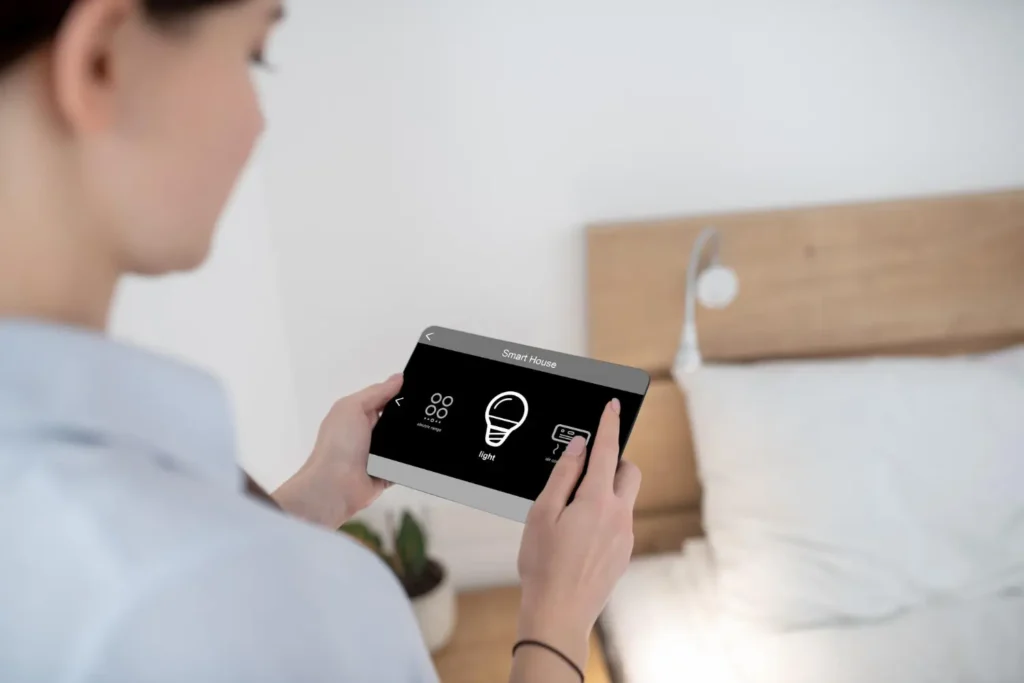
ICTESS’s Lighting Controls & Automation Training Course includes hands-on training with the industry’s three standard protocols: DALI (Digital Addressable Lighting Interface) for dedicated luminaire control with individual addressing, grouping and scene programming; KNX for integrating lighting into complete automation systems using the ETS programming tool; and Zigbee as a wireless protocol for scalable, flexible solutions. You will learn to configure complete networks with each protocol, program scenes and schedules, and use photometric instruments such as digital light meters. Hands-on command of these protocols is highly valued by integrators, since they are the standards used in professional smart lighting projects for commercial buildings, hotels, offices and retail spaces.
An engineering degree is not required, but a technical background in electrical work, building systems, telecommunications or home automation is recommended. The course is designed for electricians, home automation technicians and systems integrators, and it is also accessible to engineers seeking hands-on specialization and to maintenance managers with facility experience. Basic knowledge of electricity, control circuits and communication network concepts is recommended. The program covers control protocols with a hands-on, progressive approach, but it includes technical configurations that require the ability to read wiring diagrams and work with device addressing on digital networks.
The ICTESS Professional Certificate validates your technical specialization in lighting controls and automation and is recognized by industry employers as advanced professional development. While it is not an accredited academic degree, the certificate documents in-demand technical skills: DALI network configuration with addressing and scenes, KNX programming with ETS, Zigbee device integration, and lighting efficiency strategy design. Integrators, specialized contractors and facility management departments especially value this hands-on training as a complement to a core technical profile, since it shows up-to-date command of the real protocols used in professional smart lighting projects.
The Lighting Controls & Automation Training Course stands out for its exclusive focus on lighting, with technical depth in the industry’s three main protocols. While many home automation courses treat lighting as a generic module within a broad curriculum, this program focuses specifically on lighting control with detailed hands-on training in DALI, KNX and Zigbee. The content includes real technical configurations: DALI addressing with device grouping, scene programming with fades and dimming levels, occupancy and light-level sensor setup with time delay and threshold parameters, and energy-saving strategies through daylight harvesting. This vertical specialization in automated lighting provides a technical depth not found in general home automation courses.