
Fully online technical training designed around real industry demand, so you can specialize at your own pace.
10/31/2026
Start Date
1 month
Duration
100
Total Hours
6 Modules
Program
Duration
Total Hours
Program
Start Date
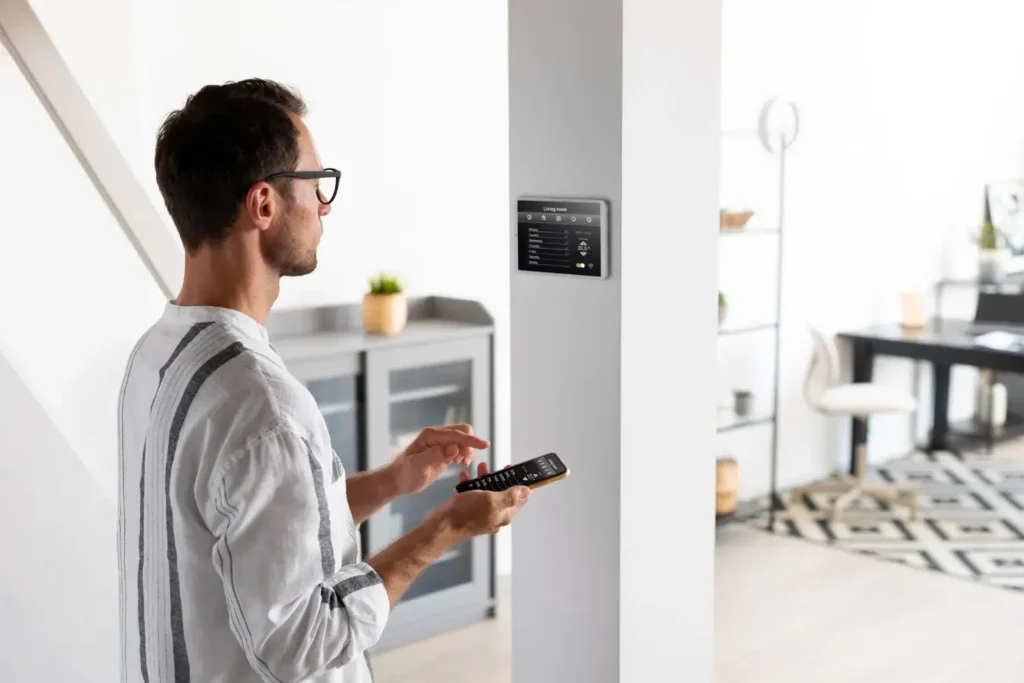
ICTESS’s Home Automation Systems Training Course is designed to train specialists in installing, configuring and managing smart home automation systems. The program covers the main home automation technologies, including IoT devices, wireless communication protocols and centralized control platforms.
You will learn to set up complete home automation ecosystems, from the initial controller installation to advanced automations built with scripts and logic rules. You will learn to integrate devices from different manufacturers, design custom control panels and dashboards for the end user, and establish preventive maintenance and backup strategies that keep the system stable. The course concludes with a Capstone Project in which you will apply everything you have learned to a complete home automation project.
The home automation market is growing steadily, driven by demand for connected, efficient homes. Homeowners, residential developers and remodeling contractors are looking for professionals who can design automation solutions that improve comfort, security and energy efficiency, creating a growing need for technicians who specialize in smart home systems.
The purpose of the course is to train professionals who can deliver complete home automation projects. You will learn to select compatible controllers and IoT devices, configure communication protocols such as Zigbee, Z-Wave and Wi-Fi, program automations based on conditions, events and schedules, and design intuitive user interfaces through dashboards that let clients manage their smart homes on their own.
The training includes hands-on work with professional automation platforms such as Home Assistant, Node-RED and centralized management systems, and culminates in a Capstone Project in which you will develop a complete project using every skill acquired in the technical modules.
The Home Automation Systems Training Course qualifies you for specialized technical roles at home automation installers, systems integrators, security and telecom companies, and the technical departments of residential developers. You will be able to work as a home automation technician, smart home integrator, smart home installer, or technical lead on smart home projects.
The program prepares you to manage complete automation projects from client needs analysis to final handover: running technical feasibility studies, selecting compatible devices and protocols, configuring controllers and communication gateways, programming custom automations and scenes, and designing control panels tailored to the end user.
You will also build the skills to troubleshoot existing home automation systems, perform preventive maintenance, manage backups and firmware updates, and propose expansions or upgrades to installed systems. The hands-on approach lets you apply what you learn right away on real industry projects.
Study from anywhere, with no commuting. Balance your technical specialization with your current job.
Plan your study around your schedule. Move through the modules whenever it suits you and review what you need.
Learn Home Assistant, Node-RED and professional dashboards, the same tools industry integrators use.
Technical video lessons, up-to-date downloadable materials, forums with specialized instructors and hands-on configuration exercises.
With ICTESS, you get specialized technical training focused on professional practice and designed to help you master the skills the home automation and smart building field demands. Learn with an up-to-date methodology and real industry tools.
What you'll achieve
Install and configure home automation controllers, communication gateways and IoT devices using standard protocols such as Zigbee, Z-Wave, Wi-Fi and MQTT.
Integrate devices from different manufacturers into a unified ecosystem, ensuring compatibility, stable connections and reliable communication between components.
Program advanced automations using scripts, logic rules and custom scenes that respond to conditions, events, schedules and home sensors.
Design professional control panels and dashboards with intuitive interfaces that let end users manage and monitor their smart homes.
Implement preventive maintenance strategies, configuration backups and update procedures to ensure system stability.
The home automation and smart building sector is growing quickly, driven by the digitalization of the home and energy efficiency requirements in construction. Homeowners and developers increasingly see automation as a standard feature rather than a luxury, creating steady demand for technicians who specialize in smart system integration.
A shortage of qualified home automation integrators: Employers report difficulty finding technicians who can install, configure and maintain complete home automation ecosystems. Installers and integrators struggle to fill specialized roles, especially those that require command of multiple communication protocols, automation platforms and multi-vendor IoT devices.
Technology convergence that requires versatile profiles: Today’s smart home projects bring lighting, HVAC, security, entertainment and energy management into a single ecosystem. This calls for professionals who can work with protocols such as Zigbee, Z-Wave and MQTT, program complex automations and design intuitive user interfaces that unify control of every home subsystem.
A competitive edge in the job market: Specialized training in home automation sets you apart from generalist electrical or telecom profiles. Mastering professional platforms, IoT protocols and advanced configuration methods makes you a top candidate at leading home automation and smart building companies.
Completing the Home Automation Systems Training Course positions you in a fast-expanding sector with strong demand for specialized technicians. The digital transformation of the home is driving hiring of qualified professionals at installers, systems integrators, residential developers, and security and telecom companies.
Access to a growing job market: You will be able to apply for positions such as home automation technician, smart home integrator, smart home installer or technical lead on smart home projects. The home automation sector is growing steadily, and employers are actively looking for qualified specialists.
Command of professional platforms: Hands-on experience with tools such as Home Assistant, Node-RED and standard IoT protocols sets you apart in hiring processes, since these platforms are widely used by professional integrators and highly valued across the home automation industry.
Ability to manage complete projects: You will develop the skills to handle every phase of a home automation project, from device selection to final configuration and maintenance, so you can offer clients a full-service solution and take on greater professional responsibility.
Professional certificate: The ICTESS professional certificate backs your technical specialization in home automation systems, strengthening your position in the job market and validating your skills with home automation and smart building employers.
This course is designed for professionals and technicians who want to specialize in installing, configuring and managing smart home automation systems. Recommended profiles include:
Program details

The Capstone Project is the culminating stage of the program and brings together all the technical skills developed throughout the course. It consists of developing a complete, real home automation project, from client needs analysis to handover of a working system, using the professional methods and configuration tools applied in the home automation industry.
The project includes the justified selection of a controller and compatible IoT devices based on the home’s requirements, configuration of communication protocols (Zigbee, Z-Wave, Wi-Fi, MQTT), integration of multi-vendor sensors and actuators into a unified ecosystem, programming automations and scripts with logic rules based on conditions, events and schedules, and designing a professional control panel with a custom dashboard for the end user.
The project also includes defining a preventive maintenance strategy, designing a configuration backup system and documenting firmware and software update procedures. The final documentation must meet the technical level and professional format expected of home automation integration projects, demonstrating your ability to produce complete, rigorous technical documentation that could be presented to clients or industry employers.
ICTESS’s Home Automation Systems Training Course includes hands-on training with the industry’s main automation platforms: Home Assistant as the central controller for managing the home automation ecosystem, Node-RED for visual programming of automations and logic flows, and professional dashboards for user interface design. You will learn to work with standard protocols such as Zigbee, Z-Wave, Wi-Fi and MQTT, the most widely used in residential integration projects. The training covers everything from basic device setup to advanced script-based automations, following the complete workflow of a professional home automation project.
An electrical license or engineering degree is not required, although basic technical knowledge of electrical work, networking or IT is recommended. The course is designed for electricians, telecom technicians, electronic security installers and building maintenance professionals, and it is also accessible to electronics, computer or telecommunications engineering graduates who want to specialize in home automation. You should be able to follow technical configuration instructions, work with software interfaces and understand basic networking and connectivity concepts. Prior experience with electrical or telecom installations helps you get the most out of the program, but it is not a requirement.
The ICTESS Professional Certificate validates your technical specialization in home automation systems and is recognized by industry employers as advanced professional development. While it is not an accredited academic degree, the certificate documents in-demand technical skills: home automation controller configuration, multi-protocol IoT device integration, advanced automation programming and professional user interface design. Installers, systems integrators and residential developers especially value this hands-on training as a complement to work experience, since it shows up-to-date command of real industry platforms and the ability to deliver complete home automation projects.
The Home Automation Systems Training Course stands out for its end-to-end, hands-on approach and its focus on real professional projects. While many home automation courses only present devices or a single protocol, this program covers the full project cycle: from controller installation and configuration, through multi-vendor, multi-protocol IoT device integration, to complex script-based automations and professional client dashboards. It also includes specific training in preventive maintenance and backup management, skills rarely found in general courses and essential for delivering a complete professional home automation service.