
Fully online technical training designed around real industry demand, so you can specialize at your own pace.
10/31/2026
Start Date
1 month
Duration
100
Total Hours
6 Modules
Program
Duration
Total Hours
Program
Start Date
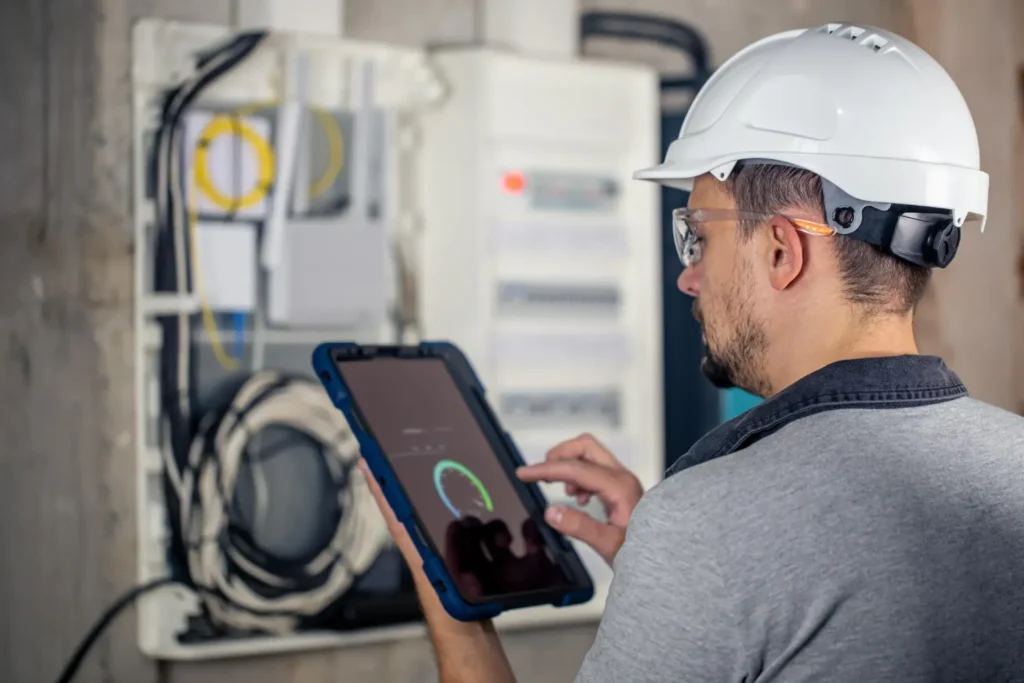
ICTESS’s Smart Building Energy Analytics Training Course trains specialists in monitoring, interpreting and optimizing energy use in buildings equipped with automation and control systems. The program covers the key areas of advanced energy analysis: zone-level submetering, dashboard design, integration with HVAC and solar PV systems, and automated energy optimization strategies.
You will learn to set up smart metering networks with meters by zone and equipment, define energy KPIs tailored to each building type, design dashboards with real-time indicators, and build alarm and reporting systems that detect deviations and abnormal consumption. The course combines HVAC and on-site solar management to maximize overall efficiency and culminates in a Capstone Project in which you will apply every skill to a real energy analysis case.
Buildings are one of the largest energy consumers in the economy, and energy codes and local building performance standards increasingly require monitoring and control. Yet many buildings already have sensors and BMS platforms installed but lack professionals who can interpret the data, configure energy performance indicators and turn that information into effective, verifiable savings decisions.
The purpose of this course is to train professionals who can design and implement complete energy analytics systems in smart buildings. You will learn to deploy submetering networks to measure consumption by zone and equipment, configure dashboards with KPIs aligned with standards such as ISO 50001, create automated optimization strategies that cut energy use without compromising comfort, and manage the integration of HVAC and renewable generation in a unified platform.
The training includes hands-on work with professional energy management platforms such as DEXMA/Spacewell Energy, Grafana and EcoStruxure, used by energy managers across the industry, and culminates in a Capstone Project in which you will develop a complete energy analysis project for a real building.
The Smart Building Energy Analytics Training Course qualifies you for specialized technical roles at facility management firms, energy efficiency engineering firms, ESCOs (energy service companies), maintenance departments of large commercial buildings and sustainability consultancies. You will be able to work as a building energy analyst, BMS platform manager, energy monitoring technician or energy efficiency lead for commercial and institutional buildings.
The program prepares you to configure and interpret zone-level metering systems, design operational dashboards with key energy performance indicators, establish consumption baselines under the IPMVP protocol, program deviation alarms and prepare tracking reports for technical management and corporate sustainability leads.
You will also build the skills to integrate HVAC and solar PV data into a unified platform, propose energy conservation measures with payback estimates, support ISO 50001 certification processes and audit existing installations to uncover hidden inefficiencies. The hands-on approach lets you apply what you learn right away in real professional settings.
Study from anywhere, with no commuting. Balance your technical specialization with your current job.
Plan your study around your schedule. Move through the modules whenever it suits you and review what you need.
Learn with DEXMA, Grafana and EcoStruxure, the same platforms energy managers use in real buildings.
Technical video lessons, up-to-date downloadable materials, forums with specialized instructors and hands-on exercises.
With ICTESS, you get specialized technical training focused on professional practice and designed to help you master the skills the smart building energy management field demands. Learn with an up-to-date methodology and real industry tools.
What you'll achieve
Configure submetering networks with smart meters to measure electricity, thermal energy and water use by zone, equipment and end use in commercial buildings.
Design energy dashboards with normalized KPIs (EUI in kBtu/ft² or kWh/m², consumption per degree day) to assess building performance in real time.
Integrate HVAC and solar PV data into energy management platforms, maximizing on-site solar use and reducing grid dependence.
Program automated optimization strategies and alarm systems that detect deviations, abnormal consumption and energy savings opportunities.
Prepare energy tracking reports with IPMVP baselines and produce technical reports for audits, ISO 50001 certification and management.
Building energy management is transforming quickly, driven by energy codes and local regulations. ASHRAE 90.1 includes electrical energy monitoring requirements for larger commercial buildings, and a growing number of cities and states require energy benchmarking through ENERGY STAR Portfolio Manager and building performance standards such as New York City’s Local Law 97. This creates steady demand for technical professionals who can deploy and operate advanced energy analytics systems in commercial buildings of every type.
A shortage of qualified energy analysts: Employers report difficulty finding professionals who master the full energy analysis chain: from submetering network setup and KPI definition to data interpretation, alarm programming and verification reporting. Facility management firms and ESCOs are struggling to fill these specialized roles.
Convergence of automation and corporate sustainability: Smart buildings generate huge volumes of data that require professionals who can turn them into operational decisions. Integrating HVAC, solar PV and energy storage into unified platforms calls for versatile technical profiles who understand both building systems and energy data analytics, along with verification protocols.
A competitive edge in a regulated market: Specialized training in energy analytics sets you apart from generalist profiles. Mastering protocols such as IPMVP, standards such as ISO 50001 and professional energy management platforms makes you a top candidate at companies that must meet regulatory requirements and demonstrate efficiency results to regulators and clients.
Completing the Smart Building Energy Analytics Training Course positions you in a steadily expanding sector driven by energy efficiency requirements and the growing digitalization of buildings. Facility management firms, ESCOs and engineering firms increasingly need professionals who can turn consumption data into measurable, verifiable savings strategies.
Access to an in-demand professional profile: You will be able to apply for positions such as energy analyst, BMS platform manager, building efficiency lead or monitoring technician at energy service companies, engineering firms and corporate maintenance departments. Energy data analysis is one of the most sought-after skills in the commercial building sector today.
Command of professional energy management tools: Hands-on experience with platforms such as DEXMA/Spacewell Energy, Grafana and EcoStruxure sets you apart in hiring processes, since these are key tools in professional smart building management and highly valued by energy efficiency employers.
Ability to deliver measurable, verifiable savings: You will develop the skills to identify inefficiencies, propose corrective measures with ROI estimates and verify savings using recognized methodologies such as IPMVP.
Professional certificate: The ICTESS professional certificate backs your technical specialization in smart building energy analytics, strengthening your position in the job market and validating your skills with energy efficiency and smart building employers.
This course is designed for technical professionals and graduates who want to specialize in monitoring, analyzing and optimizing energy use in smart buildings. Recommended profiles include:
Program details

The Capstone Project is the culminating stage of the program and brings together all the technical skills developed throughout the course. It consists of developing a complete energy analysis project for a real or simulated smart building, from metering system design to the proposal of optimization measures, using the professional methods and management tools covered in the course.
The project includes defining the building’s submetering architecture with meter selection and placement by zone and equipment, configuring an energy dashboard with normalized KPIs suited to the building type, establishing consumption baselines under the IPMVP protocol, integrating HVAC and solar PV data, designing automated optimization strategies with data-driven control rules, and programming an alarm system for significant deviations from expected consumption.
The project also includes a complete energy tracking report with deviation analysis, energy conservation measures with ROI estimates, and documentation of results for the building’s technical management. The final documentation must meet the technical level and professional format expected of energy audit reports, demonstrating your ability to produce rigorous documentation that could support ISO 50001 certification or justify efficiency investments to clients and regulators.
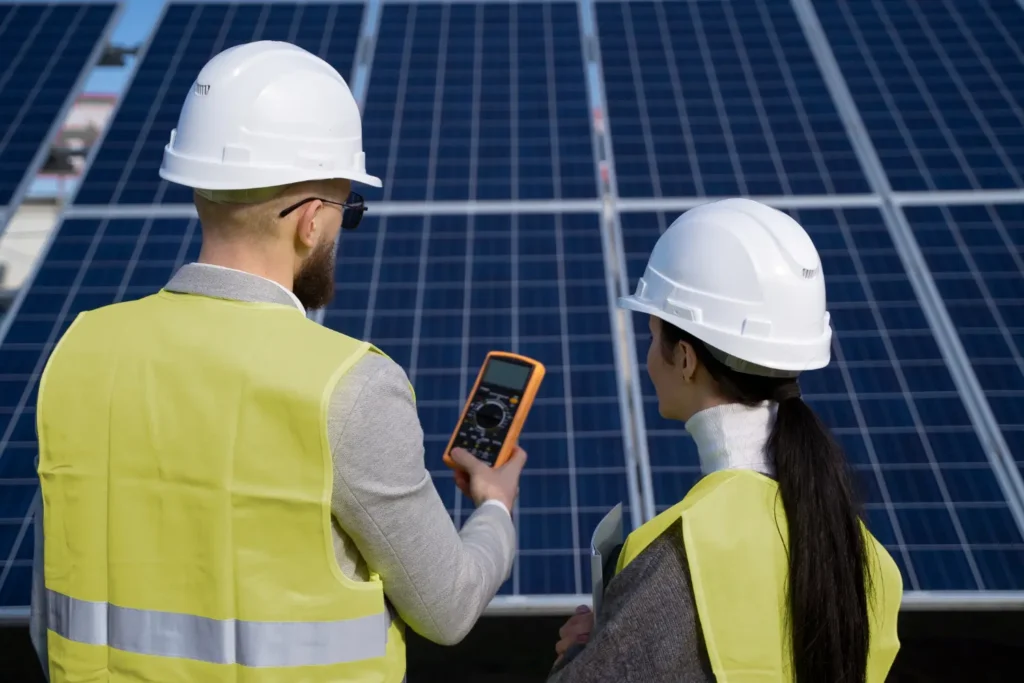
ICTESS’s Smart Building Energy Analytics Training Course includes hands-on training with professional platforms used by energy managers: DEXMA/Spacewell Energy for consumption monitoring, building benchmarking and IPMVP savings verification; Grafana for designing custom dashboards with real-time energy KPIs; and Schneider Electric’s EcoStruxure for BMS integration and building systems control. You will learn to configure these platforms with real building data, from connecting meters and sensors to generating automated reports and programming deviation alarms. Command of these tools is highly valued by facility management firms, ESCOs and energy efficiency engineering firms, since they use them to manage building portfolios and demonstrate results to their clients.
An engineering degree is not required, although a technical background in building systems, electrical work, HVAC or construction is recommended. The course is designed for industrial and electrical engineers, and it is also accessible to maintenance technicians, facility managers, building automation installers and energy professionals with hands-on building management experience. Profiles with prior knowledge of BMS platforms, communication protocols (BACnet, Modbus) or automation tools will find the learning especially smooth. The program includes technical content that requires the ability to interpret consumption data, configure indicators and work with software platforms, so familiarity with digital environments and a basic understanding of thermal and electrical systems is recommended.
The ICTESS Professional Certificate validates your technical specialization in smart building energy analytics and is recognized by industry employers as highly practical professional development. While it is not an accredited academic degree, the certificate documents in-demand technical skills: submetering system configuration, energy KPI dashboard design, use of professional management platforms, IPMVP savings verification and reporting for ISO 50001 certification. Many facility management firms, ESCOs and engineering firms especially value this hands-on training as a complement to a base degree, since it shows up-to-date command of real industry tools, knowledge of current verification protocols and practical experience in energy analysis projects.
The Smart Building Energy Analytics Training Course stands out for its hands-on focus on the complete energy analysis chain and its specific orientation to buildings with automation systems. While many courses stick to general efficiency concepts or a single tool, this program covers the entire process: from submetering network design with BACnet and Modbus, through dashboard configuration with normalized KPIs and HVAC and solar PV data integration, to alarm programming and IPMVP reporting. It also includes hands-on training with three professional platforms (DEXMA/Spacewell Energy, Grafana, EcoStruxure), tools rarely covered in general courses and essential for energy managers working with building portfolios.