
Fully online technical training designed around real industry demand, so you can specialize at your own pace.
10/31/2026
Start Date
1 month
Duration
100
Total Hours
6 Modules
Program
Duration
Total Hours
Program
Start Date

ICTESS’s Compressed Air System Design & Optimization Training Course is designed to train specialists in the sizing, operation and improvement of industrial compressed air systems. The program covers the compression technologies most widely used in industry, including rotary screw, reciprocating and scroll compressors, along with air treatment and distribution systems.
You will learn the engineering calculations applied to real systems: sizing compressors to flow and pressure demand, designing distribution networks with pressure drop criteria, selecting drying and filtration systems, leak audit methods with energy loss quantification, and strategies to optimize specific power. The course includes a Capstone Project in which you will apply everything you have learned to a complete compressed air project.
The Compressed Air System Design & Optimization Training Course addresses a critical industrial need: compressed air accounts for 20% to 30% of electricity use in many production plants, yet it is one of the most poorly managed utilities. Manufacturers need technicians who can detect inefficiencies, reduce specific power and design optimized compressed air networks from the start.
The purpose of the course is to develop professionals who can analyze existing systems, identify losses from leaks and unnecessary pressure drop, select compressors on energy efficiency criteria, size distribution networks to applicable codes, implement treatment systems suited to each point of use, and propose technical and economic improvements that significantly reduce the operating cost of compressed air generation in industrial environments.
The training includes hands-on work with professional instrumentation for compressed air audits (ultrasonic leak detectors, flow meters, dew point analyzers) and culminates in a Capstone Project in which you will develop a complete design or audit project for an industrial compressed air system.
The Compressed Air System Design & Optimization Training Course qualifies you for technical roles at industrial engineering firms, compressed air contractors, plant maintenance departments and energy efficiency consultancies. You will be able to work as a compressed air specialist, utilities manager, industrial energy auditor or compressed air project engineer.
The program prepares you to manage complete compressed air projects: running flow demand studies based on actual plant consumption, sizing compressor rooms with redundancy and efficiency criteria, designing optimized distribution networks with minimal pressure drop, selecting treatment equipment for the required air quality, and performing leak audits with financial loss quantification.
You will also build the skills to prepare preventive maintenance plans, propose compressor heat recovery strategies, design centralized control systems and justify improvement investments to technical leadership. The hands-on approach lets you apply what you learn right away in real industrial facilities.
Study from anywhere, with no commuting. Balance your technical specialization with your current job.
Plan your study around your schedule. Move through the modules whenever it suits you and review what you need.
Learn through exercises based on real systems: leak audits, pressure drop calculations and equipment selection.
Technical video lessons, up-to-date downloadable materials, forums with specialized instructors and hands-on sizing exercises.
With ICTESS, you get specialized technical training focused on professional practice and designed to help you master the compressed air design and optimization skills industry demands. Learn with an up-to-date methodology and real engineering cases.
What you'll achieve
Classify and select compressors (rotary screw, reciprocating, scroll, centrifugal) applying energy efficiency, flow, pressure and system demand profile criteria.
Size compressed air distribution networks by calculating pipe diameters, pressure drop, flow velocities and optimal loop or branched layouts.
Design air treatment systems (refrigerated dryers, desiccant dryers, filters and separators) to the ISO 8573 quality required at each point of use.
Perform leak audits with ultrasonic instrumentation, quantify energy and financial losses, and propose optimization plans with ROI analysis.
Prepare preventive maintenance plans and safety protocols for compressor rooms in line with applicable codes and industry best practices.
Compressed air is considered the fourth industrial utility alongside electricity, water and natural gas, and is present in more than 90% of production plants worldwide. Yet its generation is inherently inefficient: only 10% to 15% of the electricity a compressor consumes becomes useful work. This makes compressed air optimization a strategic priority for industry.
Direct impact on operating costs: Poorly designed or poorly maintained compressed air systems can waste 25% to 40% of the energy they consume through leaks, excessive pressure drop and oversized equipment. Companies need technicians who can identify these inefficiencies and propose solutions with quantifiable ROI.
Growing energy efficiency requirements: Federal efficiency standards for air compressors, decarbonization commitments and programs such as the DOE’s Better Plants are pushing manufacturers to assess and optimize all their energy use. Compressed air systems are a priority target in ISO 50001 and ASME EA-4 energy assessments, increasing demand for professionals specialized in evaluating and improving them.
A competitive edge in the job market: Compressed air specialization sets you apart from generalist maintenance profiles. Mastering sizing calculations, audit techniques, air quality standards and energy optimization strategies makes you a top candidate in engineering departments and industrial consultancies.
Completing the Compressed Air System Design & Optimization Training Course positions you as a specialist in one of industry’s most critical utilities. Compressed air is present in virtually every production sector, from automotive and food to pharmaceutical and textiles, creating constant demand for technicians qualified in its efficient management.
Industrial energy efficiency specialization: Compressed air is one of the costliest utilities in a plant. Mastering optimization techniques makes you a key profile for cutting operating costs, since improvements typically deliver fast paybacks and significant electricity savings.
Ability to audit and improve existing systems: You will learn to detect and quantify leaks, oversizing and pressure losses that create hidden costs. This diagnostic capability lets you turn every finding into quantified improvement proposals that management can approve with confidence.
Cross-sector versatility: Compressed air systems are present in every industrial sector. Your specialization applies in automotive, food, pharmaceutical, packaging, plastics and metals, significantly expanding your career opportunities.
Professional certificate: The ICTESS professional certificate backs your technical specialization in compressed air systems, strengthening your position in the job market and validating your skills with industrial employers.
This course is designed for technical professionals who work with industrial compressed air systems or want to specialize in their design and optimization. Recommended profiles include:
Program details

The Capstone Project is the culminating stage of the program and brings together all the technical skills developed throughout the course. It consists of developing a complete industrial compressed air engineering project, focused either on designing a new system or on auditing and optimizing an existing one, using the professional methods and calculation criteria applied in the industry.
The project includes analyzing the plant’s compressed air demand profile, sizing and selecting compressors on energy efficiency criteria, designing the distribution network by calculating pipe diameters and pressure drop, specifying treatment systems to the quality required by ISO 8573, and preparing an economic analysis that quantifies the cost of generation per 1,000 standard cubic feet (or per normal cubic meter) and the energy savings opportunities identified.
The project also includes planning a preventive maintenance program, proposing compressor waste heat recovery strategies, and designing a monitoring system for continuous operational control. The final documentation must meet the technical level and professional format expected of industrial energy audit reports, demonstrating your ability to produce complete, rigorous technical documentation that could be presented to the technical leadership of any industrial plant.
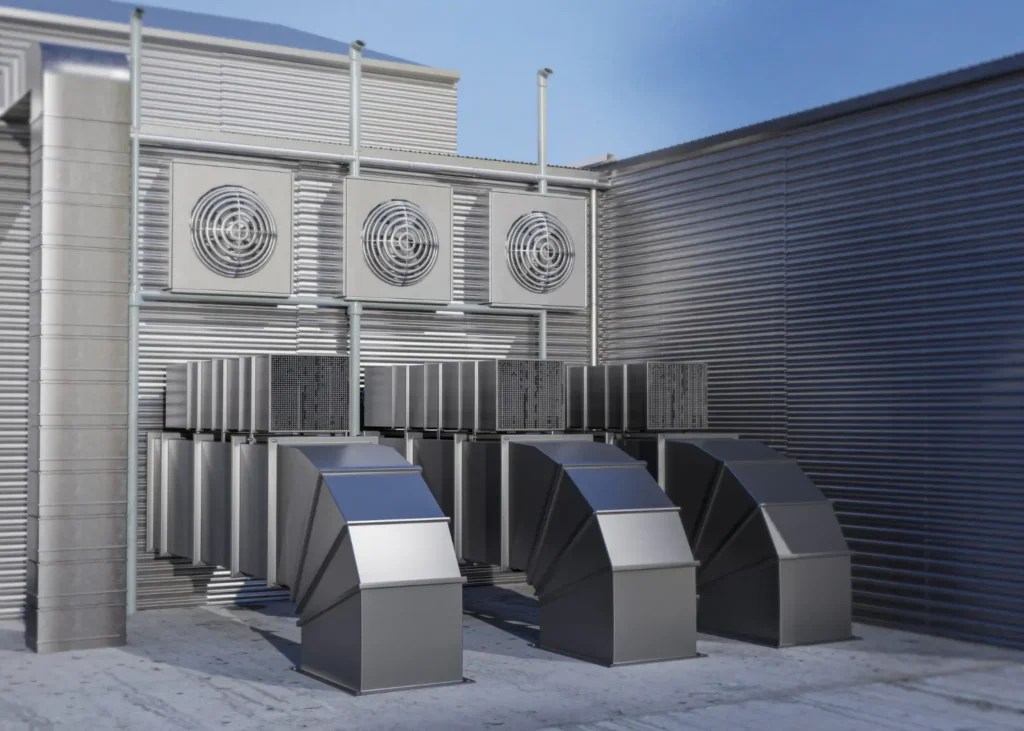
ICTESS’s Compressed Air System Design & Optimization Training Course includes hands-on training with the methods and instrumentation industry professionals use: ultrasonic leak detectors for compressed air audits, flow meters to measure actual consumption, and dew point analyzers to verify treated air quality. You will learn compressor sizing calculations based on demand profiles, network design with pressure drop criteria, air quality classification to ISO 8573, and specific power analysis (kW/100 cfm or kWh/m³) to assess system efficiency. You will also master energy assessment methods specific to compressed air systems, including leak cost quantification and technical reports with improvement proposals and ROI analysis.
An engineering degree is not required, but a technical background in industrial facilities, mechanical, electrical or maintenance is recommended. The course is designed for industrial and mechanical engineers, and it is also accessible to industrial maintenance, electromechanical or HVAC technicians with an associate degree and professional experience with compressed air equipment. Professionals with hands-on experience in compressor rooms or compressed air network maintenance can enroll based on their prior industrial knowledge. The program includes sizing calculations and energy analysis, so you should be able to read system drawings, work with pressure, flow and power units, and use spreadsheets to analyze operating data.
The ICTESS Professional Certificate validates your technical specialization in compressed air system design and optimization and is recognized by industrial employers as advanced professional development. While it is not an accredited academic degree, the certificate documents in-demand technical skills: compressed air system sizing, leak audits, optimized distribution network design, and the ability to propose improvements with quantified energy savings. Industrial companies, especially those with ISO 50001 energy management systems, value this hands-on training because it shows up-to-date energy efficiency knowledge applied to one of the utilities with the greatest savings potential in any production plant.
The Compressed Air System Design & Optimization Training Course stands out for its end-to-end approach, covering everything from designing new systems to auditing and optimizing existing ones, with technical depth in engineering calculations. While many courses are limited to general maintenance or manufacturer catalogs, this program covers real compressor sizing from demand profiles, distribution network calculations with pressure drop criteria, air quality classification to ISO 8573, and professional energy assessment methods with financial loss quantification. The content also includes advanced strategies such as compressor waste heat recovery, variable speed drive control and centralized system monitoring, skills rarely covered in general industrial maintenance courses.