
Fully online technical training designed around real industry demand, so you can specialize at your own pace.
10/31/2026
Start Date
1 month
Duration
1500
Total Hours
6 Modules
Program
Duration
Total Hours
Program
Start Date
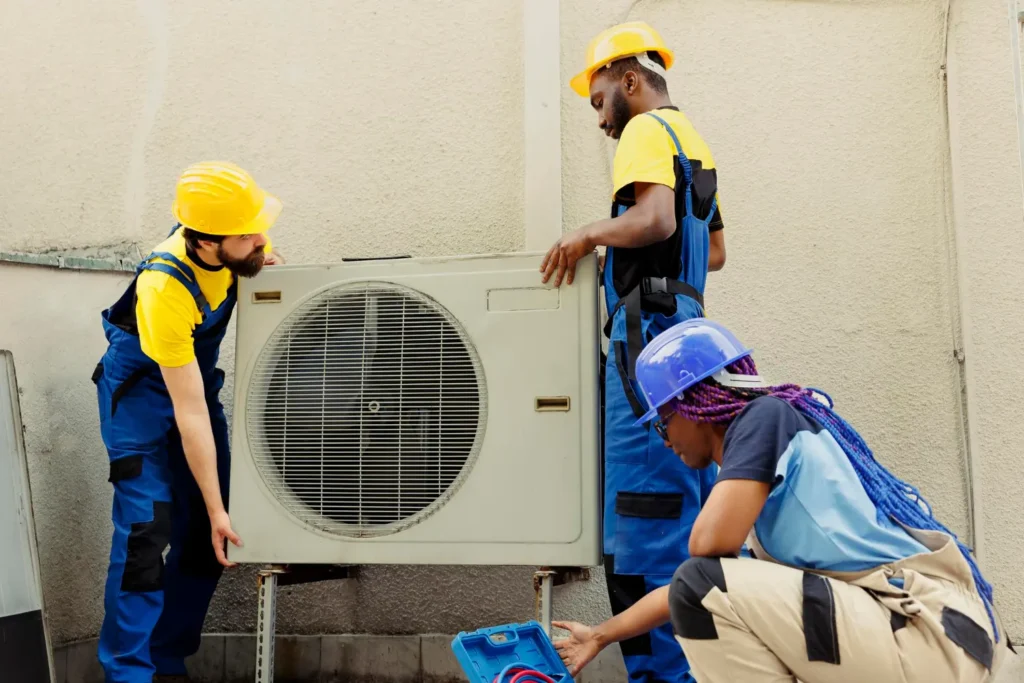
ICTESS’s Course in Best Practices for Air Conditioning Installation and Maintenance trains technicians in the professional execution of HVAC installations. The program covers every critical phase of the process, from job-site preparation through startup and customer handover.
You’ll learn the installation techniques that ensure equipment performs reliably and lasts: refrigerant line layout, nitrogen-purged copper brazing, deep vacuum and pressure test procedures, electrical connections per code, and complete pre-handover verifications. The course includes a Capstone Project where you’ll apply every procedure to a fully documented real installation.
The HVAC industry needs installers who have mastered professional installation and maintenance techniques. Many air conditioning failures and warranty claims trace back to installation defects: poor brazing joints, incomplete vacuum procedures, improper mounting, or faulty wiring. Companies need technicians who work to a professional standard and minimize post-installation callbacks.
The course’s purpose is to train professionals who can deliver flawless installations from day one. You’ll learn to prepare the job site by evaluating locations and routing, execute optimized line layouts with correct slope for condensate drainage, perform leak-tight brazing with nitrogen purge protection, apply deep vacuum procedures that remove moisture, and verify every electrical connection before energizing the equipment.
The program covers professional installation equipment: vacuum pump, digital manifold gauges, electronic leak detector, and oxy-acetylene brazing equipment. The course concludes with a Capstone Project where you’ll document a complete installation using the professional handover checklist.
The course qualifies you for technical roles at HVAC contracting companies, authorized service providers, building maintenance departments, and facility management firms. You can work as a specialized installer, startup technician, installation quality lead, or preventive maintenance technician for HVAC systems.
The program prepares you to execute complete installations with a professional-grade guarantee: conducting site surveys for unit location and pipe routing, performing standardized mounting, brazing refrigerant lines leak-free, applying certifiable vacuum procedures, connecting and verifying electrical circuits, and documenting the entire process with professional handover checklists.
You’ll also gain skills to diagnose installation defects on problem equipment, propose corrective solutions, perform scheduled preventive maintenance, and train other technicians in best practices. The hands-on approach lets you apply these procedures immediately in your daily professional work.
Study from anywhere, with no commuting required. Balance your technical specialization with your current job.
Organize your studies around your own schedule. Move through the modules at your own pace and reinforce whatever you need.
Learn the exact techniques certified installers use: nitrogen-purged brazing, deep vacuum procedures, and complete system verifications.
Technical video lessons with hands-on demonstrations, downloadable materials, forums with specialized tutors, and applied exercises.
With ICTESS, you’ll get specialized technical training focused on professional practice and designed to help you master the skills the HVAC industry demands. Learn with an up-to-date methodology and real installation procedures.
What you'll achieve
Plan air conditioning installations by evaluating locations, pipe routing, and safety requirements per applicable code and manufacturer specifications.
Execute professional refrigerant line layouts with standardized mounting, correct slope, and condensate drainage systems free of blockage risk.
Perform nitrogen-purged copper brazing, apply deep vacuum procedures, and verify circuit tightness through pressure testing.
Connect and verify electrical circuits on HVAC equipment, checking protective devices, wire sizing, insulation, and component operation.
Carry out systematic startups, documenting operating parameters and completing professional handover checklists for the client.
The HVAC market continues to grow steadily, driven by demand for thermal comfort in homes and the need for energy efficiency in buildings. Air conditioning has become standard equipment, but installation quality varies widely between installers. This creates opportunities for technicians who master professional procedures.
Direct impact of installation quality: A poor installation reduces equipment performance, increases energy consumption, shortens component life, and causes premature breakdowns. Manufacturers report that more than 60% of warranty claims stem from installation defects rather than equipment failure. Technicians who master best practices eliminate these root causes.
Growing documentation requirements: Refrigerant handling, energy efficiency, and electrical safety regulations require installers to properly document their work. Companies need technicians capable of completing records, certificates, and checklists that prove correct execution for inspections or warranty claims.
Competitive advantage in the job market: Specialized training in best practices sets you apart from installers without a systematic methodology. Quality-focused HVAC companies prioritize technicians trained in professional procedures that reduce callbacks and improve customer satisfaction.
Completing this course positions you as a specialized technician in an industry with steady demand. Air conditioning is an essential service in homes, businesses, and industry, and companies place a premium on installers who minimize post-installation callbacks and complaints.
Fewer errors and complaints: Mastering installation best practices lets you deliver defect-free work that doesn’t lead to later breakdowns. An installer who applies professional brazing, vacuum, and verification procedures drastically reduces service calls and improves the profitability of every installation.
Professional differentiation in the industry: Systematic knowledge of correct procedures sets you apart from technicians who rely on intuition or habit.
Ability to train and supervise crews: These skills let you take on higher-responsibility roles: supervising other technicians’ installations, catching execution defects, proposing procedural improvements, and training new installers in correct industry techniques.
Recognized professional certificate: ICTESS’s professional certificate validates your specialization in HVAC installation best practices, strengthening your position in the job market and demonstrating your skills to employers in the field.
This course is designed for HVAC professionals and technicians who want to systematize their knowledge of correct installation procedures. Recommended profiles include:
Program details

The Capstone Project is the culminating stage of the program and represents the practical integration of every technical skill developed throughout the course. It consists of fully documenting an air conditioning installation, applying every professional procedure and producing the handover documentation that certifies correct execution of the work.
The project must cover every phase of a professional installation: a pre-installation site evaluation with justified unit placement, planning of the refrigerant line route and condensate drainage, photo documentation of the nitrogen-purged brazing process, documentation of the vacuum procedure with times and micron gauge readings, pressure test results, verification of electrical connections with insulation resistance measurements, and operating parameters recorded at startup.
The project also includes completing the professional handover checklist with every verification point signed off, a record of operating pressures and temperatures, and the operating instructions provided to the client. The final submission must meet the technical depth and professional format expected by authorized service providers, demonstrating your ability to execute and document installations with verifiable quality assurance.
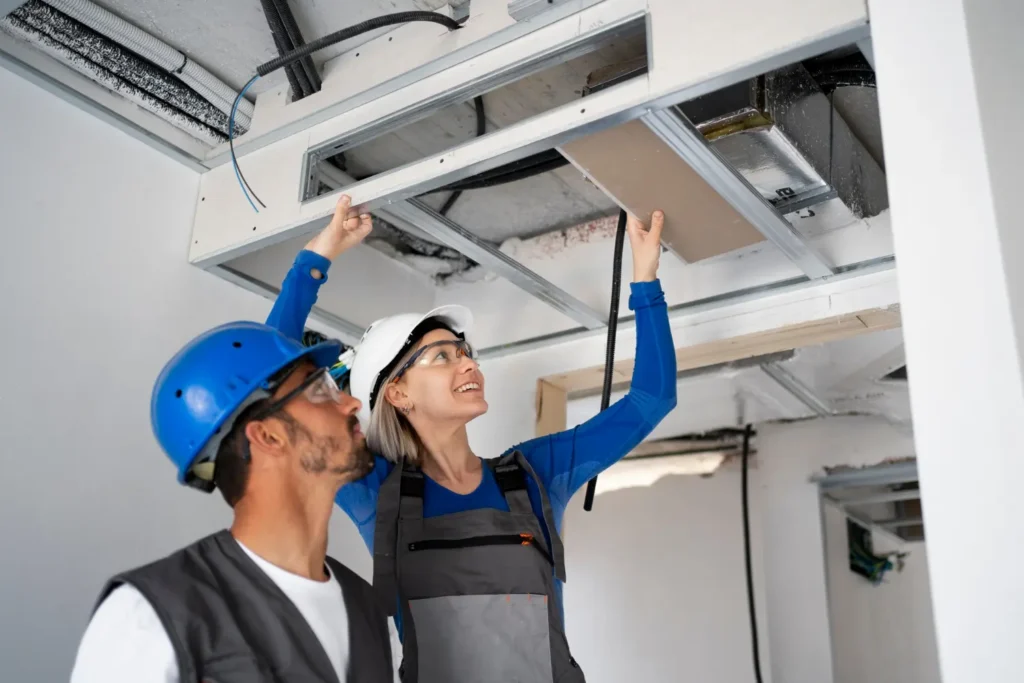
ICTESS’s Course in Best Practices for Air Conditioning Installation and Maintenance covers the correct use of the industry’s standard professional equipment: a vacuum pump sized to the circuit’s volume, digital manifold gauges for measuring pressure and vacuum, an electronic leak detector for tightness verification, oxy-acetylene brazing equipment with regulators and torch, and a nitrogen cylinder with pressure regulator for brazing protection and pressure testing. You’ll learn the correct procedures for using each tool, the parameters you need to verify, and the common mistakes to avoid. Mastering this equipment is essential for delivering installations with a professional-grade guarantee, and it’s what sets qualified technicians apart from installers without specific training.
Basic knowledge of refrigeration and electricity is recommended to get the most out of the course, though extensive work experience isn’t required. The program is designed both for active installers who want to systematize their procedures and for HVAC/refrigeration trade graduates looking for practical methodologies before entering the job market. If you have trade training in refrigeration systems, electrical work, or maintenance, you’ll be able to follow the course without difficulty. The content starts from the fundamentals of each procedure and progresses toward specialized professional techniques, so it helps to be able to read technical diagrams and understand the basic principles of the refrigeration cycle.
The ICTESS professional certificate validates your specialization in air conditioning installation best practices and is recognized by industry employers as quality supplementary technical training. While it doesn’t replace the certification required to handle regulated refrigerants (EPA Section 608, which requires passing a certification exam), the certificate documents highly valued technical skills: mastery of professional brazing procedures, vacuum and leak-testing techniques, standardized electrical verifications, and the ability to document installations using professional checklists. HVAC contracting companies particularly value this hands-on training because it demonstrates systematic knowledge of correct procedures that reduce callbacks and complaints.
This Course in Best Practices for Air Conditioning Installation and Maintenance stands out for its focus on verifiable professional procedures rather than general theoretical knowledge. While many courses explain how HVAC equipment works, this program focuses on how to execute each phase of the installation to a quality standard: what to check before starting, how to perform each operation correctly, what mistakes to avoid, and how to document the completed work. The content includes the exact procedures used by authorized service providers and quality-focused contracting companies: mandatory nitrogen-purged brazing, minimum vacuum times, complete electrical verifications, and professional handover checklists. This practical, systematic approach is what reduces callbacks and sets you apart in the job market.