
Fully online technical training designed around real industry demand, so you can specialize at your own pace.
10/31/2026
Start Date
1 month
Duration
100
Total Hours
6 Modules
Program
Duration
Total Hours
Program
Start Date

ICTESS’s Course in Facility Control and Monitoring with BMS and Cloud Systems prepares specialists to manage building automation systems from a centralized technical standpoint. The program covers control system architectures, industrial communication protocols, and cloud-based supervisory platforms used to monitor and manage building performance.
You’ll learn to configure control points, manage historical trends and technical alarms, integrate devices through BACnet and Modbus, design energy monitoring dashboards, and build predictive remote maintenance strategies. You’ll also learn to interpret operational data to optimize the performance of HVAC and refrigeration systems. The course concludes with a Capstone Project where you’ll apply everything you’ve learned to a complete facility monitoring and control project.
The Course in Facility Control and Monitoring with BMS and Cloud Systems addresses the growing need for professionals who can manage buildings and technical facilities through centralized automation platforms. The HVAC industry needs specialists who can configure BMS systems while also handling energy data analytics and remote maintenance of complex facilities.
The course’s purpose is to train professionals capable of implementing and operating building management systems, from initial configuration through optimized operation. You’ll learn to define control points based on each facility’s needs, program automation logic, configure technical alarms with priority criteria, and analyze operating trends to detect deviations and optimize energy consumption.
The program covers standard industrial communication protocols (BACnet, Modbus, LON) and cloud-based remote supervision platforms, culminating in a Capstone Project where you’ll develop a complete monitoring project applying all the technical skills gained throughout the modules.
The Course in Facility Control and Monitoring with BMS and Cloud Systems qualifies you for specialized technical roles at full-service maintenance companies, automation systems integrators, facility management firms, and technical departments of large commercial buildings. You can work as a BMS systems technician, energy monitoring lead, automation integrator, or remote facility management specialist.
The program prepares you to manage control platforms from configuration through operation: defining control point architectures, programming operating sequences, configuring protocol integration gateways, designing dashboards with key performance indicators, and setting up alert systems for preventive and corrective maintenance.
You’ll also gain skills to audit control systems, propose efficiency improvements based on historical data, implement energy reporting strategies aligned with ASHRAE and IECC guidelines, and remotely manage distributed facilities. The hands-on approach lets you apply this knowledge immediately in real-world professional settings.
Study from anywhere, with no commuting required. Balance your technical specialization with your current job.
Organize your studies around your own schedule. Move through the modules at your own pace and revisit any topic you need to reinforce.
Learn BACnet, Modbus, and cloud supervision platforms, the same standards integrators use on real projects.
Technical video lessons, up-to-date downloadable materials, forums with specialized tutors, and hands-on configuration exercises.
With ICTESS, you’ll get specialized technical training focused on professional practice and designed to help you master the skills the building automation industry demands. Learn with an up-to-date methodology and real industry technology.
What you'll achieve
Design control system architectures for HVAC facilities, identifying controllers, sensors, actuators, and communication networks based on technical requirements.
Configure control points, historical trends, and technical alarms on BMS platforms, applying prioritization criteria and operating thresholds suited to each facility.
Integrate devices and subsystems using BACnet and Modbus protocols, configuring communication gateways to ensure interoperability across different manufacturers.
Develop energy monitoring dashboards and automated reporting that visualize key indicators and generate consumption reports aligned with ASHRAE guidelines.
Implement telemaintenance strategies with predictive alerts, remote incident management, and trend analysis to optimize facility operation.
The building automation industry is experiencing steady growth, driven by the need for energy efficiency and the digitization of infrastructure. Building performance standards across the United States increasingly call for automation and control systems in commercial buildings, creating consistent demand for professionals skilled in BMS technologies and centralized technical management platforms.
Shortage of technicians with advanced digital skills: The job market struggles to find professionals who combine HVAC knowledge with automation skills, industrial communication protocols, and data analytics. Companies in the sector need hybrid professionals capable of configuring control systems and optimizing their performance.
Shift toward predictive, remote maintenance: Modern facilities require continuous monitoring and remote intervention capabilities. Professionals who master cloud supervision platforms, predictive alert configuration, and trend analysis are increasingly sought after by facility management companies and technical service providers.
Competitive edge over traditional profiles: Specialized training in BMS systems and cloud technologies sets you apart from maintenance technicians with purely mechanical or electrical skills. Mastering the digital layer of building systems positions you as a strategic professional in smart building operations.
Completing the Course in Facility Control and Monitoring with BMS and Cloud Systems positions you in a fast-growing field, where the digitization of buildings and technical facilities is driving strong demand for automation specialists.
Access to highly specialized technical roles: You can pursue positions such as BMS systems technician, energy monitoring lead, automation integrator, or telemaintenance manager, often with stronger career prospects than traditional maintenance roles.
In-demand technical expertise: Certified knowledge of BACnet, Modbus, and cloud supervision platforms sets you apart in the hiring process, since these skills are essential for facility management companies, systems integrators, and technical departments at large organizations.
Ability to optimize existing facilities: You’ll build the skills to analyze operating data, identify inefficiencies, and propose improvements that reduce energy consumption, letting you deliver immediate value to any organization with complex technical facilities.
Recognized professional certificate: ICTESS’s professional certificate validates your technical specialization in facility control and monitoring, strengthening your position in the job market and demonstrating your skills to employers in the field.
This course is designed for technical professionals looking to specialize in the digital management of HVAC facilities and smart buildings. Recommended profiles include:
Program details

The Capstone Project is the culminating stage of the program and represents the practical integration of every technical skill developed throughout the course. It consists of developing a complete monitoring and control project for an HVAC facility, from architecture design through dashboard and alert configuration, applying professional industry methodologies.
The project includes defining the control point architecture needed to supervise the selected facility, configuring historical trends with appropriate sampling criteria, and programming technical alarms with priority levels and response protocols. You’ll design device integration using BACnet or Modbus, configure the necessary communication gateways, and build a monitoring dashboard with key energy and operational indicators.
The project also includes designing a telemaintenance strategy with predictive alerts based on trend analysis, configuring automated energy consumption reports, and documenting the implemented system. The final submission must meet the technical depth and professional format expected of BMS integration projects, demonstrating your ability to design, configure, and document automation and control solutions for real facilities.
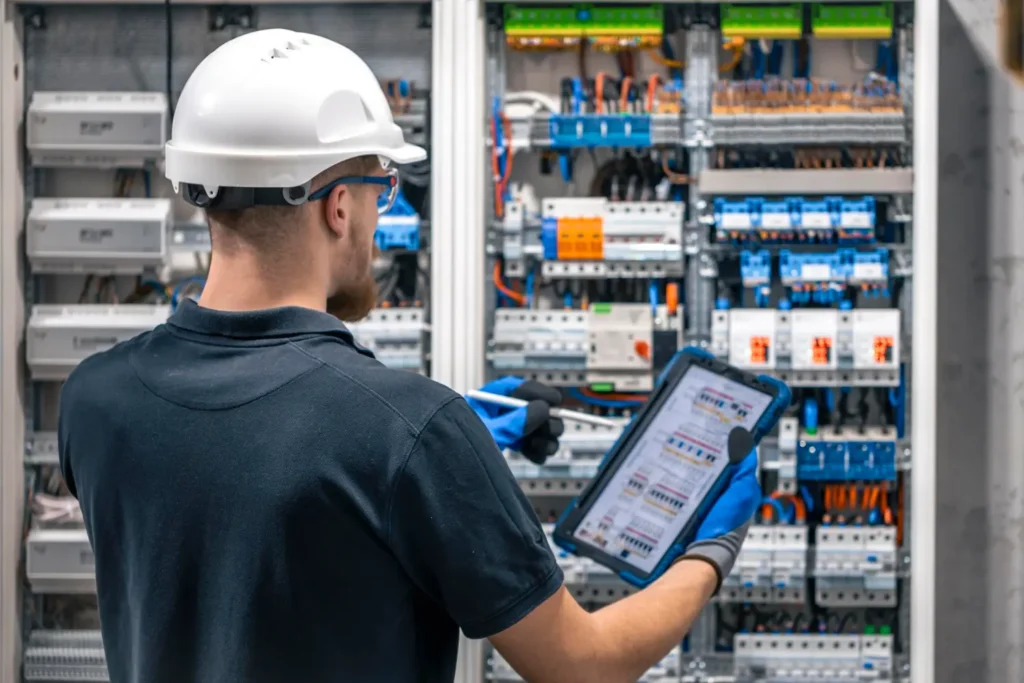
ICTESS’s Course in Facility Control and Monitoring with BMS and Cloud Systems includes hands-on training in the industrial communication protocols most widely used in building automation: BACnet (the ASHRAE standard for building management systems), Modbus (a protocol widely deployed in HVAC equipment), and the fundamentals of LON for legacy installations. You’ll learn to configure integration gateways between different protocols, ensuring interoperability in facilities with equipment from multiple manufacturers. The course also covers cloud supervision platforms that enable remote monitoring, alarm management, and energy data analysis from anywhere. These skills are essential at systems integration firms and facility management departments.
Specific automation experience isn’t required, but technical background in HVAC, electrical work, or industrial maintenance is recommended. The course is designed for HVAC and refrigeration technicians looking to specialize in the digital layer of building systems, as well as engineers seeking practical BMS skills. The content starts with control architecture fundamentals and progresses toward advanced integration and remote management configurations. Familiarity with basic electrical concepts, communication networks, and technical software is helpful. Professionals with HVAC maintenance experience will find the hands-on content especially accessible.
The ICTESS professional certificate validates your technical specialization in facility control and monitoring with BMS systems and cloud technologies. While it isn’t an official academic degree, the certificate documents skills that are in high demand: configuring control points and alarms, integrating systems through standard BACnet and Modbus protocols, building monitoring dashboards, and developing telemaintenance strategies. Facility management companies, systems integrators, and technical departments at commercial buildings value this hands-on training as a strong complement to a core technical background. The certificate demonstrates up-to-date knowledge of building automation technology and the ability to operate centralized technical management platforms.
This Course in Facility Control and Monitoring with BMS and Cloud Systems focuses on professional-grade applications for HVAC and commercial facilities, not residential home automation. While many smart building courses offer general knowledge about consumer IoT, this program goes deep into standard industrial protocols (BACnet, Modbus), advanced controller configuration, professional-grade trend and alarm management, and the supervision platforms used in large buildings. The content includes skills specific to maintenance technicians and integrators: designing point architectures, configuring communication gateways, building dashboards with energy indicators, and developing predictive telemaintenance strategies. It’s training you can apply directly in facility management and industrial automation environments.