
Fully online technical training designed around real industry demand, so you can specialize at your own pace.
10/31/2026
Start Date
2 months
Duration
100
Total Hours
6 Modules
Program
Duration
Total Hours
Program
Start Date
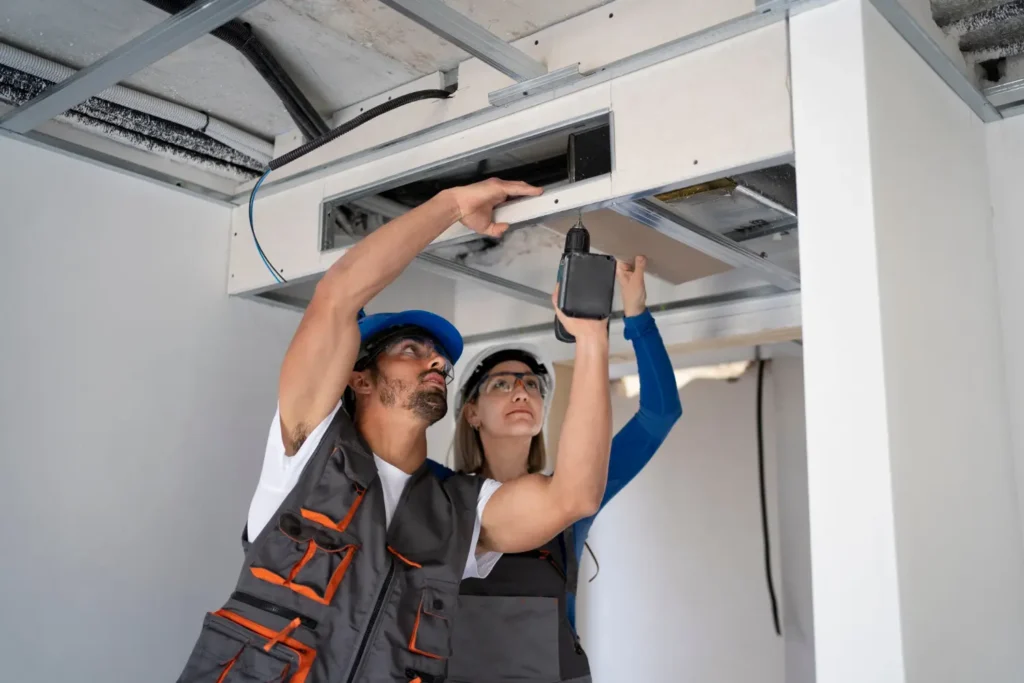
ICTESS’s Course in HVAC Fault Diagnostics and Energy Efficiency trains technicians to systematically detect breakdowns and optimize the performance of HVAC systems. The program covers everything from split and multi-split units to centralized HVAC equipment, including direct-expansion technology and air handling units.
You’ll learn the diagnostic methodologies used by specialized technicians: reading operating pressures, analyzing refrigerant circuit temperatures, measuring electrical parameters, detecting refrigerant leaks, and evaluating performance using SEER2 and HSPF2 ratings. The course includes a Capstone Project where you’ll apply complete diagnostic protocols to real cases involving performance and efficiency issues.
The HVAC industry faces a dual challenge: rising equipment complexity and increasing energy efficiency requirements. Today’s installations combine inverter-driven systems, air-source heat pumps, and advanced digital controls, all of which require technicians who can diagnose faults with a systematic methodology and propose performance improvements based on measurable data.
The course’s purpose is to train professionals who can quickly identify the root cause of HVAC system failures using structured decision trees. You’ll learn to interpret symptoms of abnormal operation, take measurements with professional instruments, correlate parameters to locate defective components, and evaluate actual energy performance against nominal values to detect avoidable efficiency losses.
The program covers professional diagnostic tools such as digital manifold gauges, clamp meters, infrared thermometers, anemometers, and electronic leak detectors. The course concludes with a Capstone Project where you’ll develop complete diagnostic reports applying the methodologies and checklists covered throughout the training.
The Course in HVAC Fault Diagnostics and Energy Efficiency qualifies you for specialized technical roles at HVAC maintenance companies, authorized service providers, facility management firms, and maintenance departments at commercial and industrial buildings. You can work as an advanced diagnostics technician, energy efficiency lead, HVAC systems auditor, or specialist in resolving complex breakdowns.
The program prepares you to approach diagnostic work with professional methodology: applying decision trees to failure symptoms, taking systematic measurements with calibrated instruments, interpreting operating parameters against manufacturer specifications, and producing documented technical reports with prioritized recommendations.
You’ll also gain skills to perform basic energy audits of HVAC installations, identify low-cost efficiency improvements with a fast return on investment, and recommend control and regulation upgrades that optimize consumption without replacing major equipment. The hands-on, case-based approach lets you apply diagnostic protocols immediately in your professional work.
Study from anywhere, with no commuting required. Balance your technical specialization with your current job.
Organize your studies around your own schedule. Move through the modules at your own pace and reinforce whatever you need.
Learn from documented, real-world fault diagnostics. Practical cases with actual symptoms, measurements, and applied solutions.
Technical video lessons, up-to-date downloadable materials, forums with specialized tutors, and hands-on diagnostic exercises.
With ICTESS, you’ll get specialized technical training focused on professional practice and designed to help you master the diagnostics and energy efficiency skills the HVAC industry demands. Learn with an up-to-date methodology and real industry cases.
What you'll achieve
Apply structured decision trees to systematically identify the source of HVAC system malfunctions based on abnormal operating symptoms.
Perform technical measurements using professional instruments (manifold gauges, clamp meters, infrared thermometers, anemometers) and interpret the readings against nominal parameters.
Diagnose faults in critical refrigeration circuit components (compressor, expansion valve, heat exchangers, fans) by correlating pressures, temperatures, and power draw.
Evaluate the actual energy performance of installations by measuring operating SEER2/HSPF2 and detecting deviations from nominal values that indicate avoidable efficiency losses.
Recommend low-cost efficiency improvements (control adjustments, heat exchanger cleaning, airflow optimization) documented in technical reports with estimated savings.
HVAC systems account for roughly 40% of energy consumption in commercial buildings and a significant share of residential use. Building performance standards across the United States are setting increasingly ambitious energy reduction targets that directly affect existing HVAC installations. This context is driving growing demand for technicians who specialize in optimizing systems already in service.
Inefficient corrective maintenance practices: A significant share of corrective HVAC maintenance work is resolved by replacing components without an accurate prior diagnosis. This practice creates unnecessary costs for clients and avoidable downtime. Technicians who can diagnose systematically significantly reduce these problems and are in high demand at maintenance companies.
Underperforming equipment: Industry studies indicate that many HVAC installations operate well below their nominal performance due to poor maintenance, improper adjustment, or installation issues. Detecting and correcting these deviations represents significant energy savings potential that energy service companies are actively pursuing.
Shift toward predictive maintenance: The industry is moving from corrective maintenance toward predictive models based on parameter monitoring. Mastering the interpretation of operating data and correlating it with component degradation positions you for this technological shift in facility maintenance.
Completing the Course in HVAC Fault Diagnostics and Energy Efficiency positions you as a specialized technician in a field with strong job demand. The growing installed base of HVAC systems, combined with rising energy efficiency requirements, is creating steady demand for professionals who can optimize how these systems perform.
Professional differentiation from generalist technicians: The ability to diagnose complex faults with a systematic methodology sets you apart from technicians who rely on trial and error. Employers particularly value professionals who reduce intervention times and avoid unnecessary component replacements through precise, well-documented diagnostics.
High-demand energy efficiency skills: Regulatory requirements increasingly call for periodic energy audits in commercial buildings. Mastering the evaluation of actual system performance and proposing quantifiable improvements opens opportunities at ESCOs, auditing firms, and HVAC-focused technical consultancies.
Ability to demonstrate measurable economic value: You’ll learn to quantify the energy savings of proposed improvements, letting you justify interventions to clients and maintenance managers. This skill is especially valued in facility management and large real estate portfolio operations.
Recognized professional certificate: ICTESS’s professional certificate validates your technical specialization in HVAC fault diagnostics and efficiency, strengthening your position in the hiring process and demonstrating your skills to employers in the field.
This course is designed for technicians and professionals in the HVAC industry who want to specialize in advanced fault diagnostics and energy performance optimization. Recommended profiles include:
Program details

The Capstone Project is the culminating stage of the program and represents the practical integration of every technical skill developed throughout the course. It consists of developing a complete professional diagnostic report for an HVAC installation with operating or performance issues, applying the systematic methodologies and analytical tools covered in the modules.
The project starts from a documented real-world case with symptoms of failure or underperformance, which you’ll analyze using the appropriate decision tree. You’ll interpret provided technical measurements (pressures, temperatures, electrical loads, airflow rates), correlate the values against the equipment’s nominal parameters, and pinpoint the source of the problem with documented technical justification. You’ll also evaluate actual operating performance against nominal values by calculating real SEER2/HSPF2.
The project includes preparing a prioritized action plan with estimated costs and expected energy savings, distinguishing between urgent corrective interventions and low-cost efficiency improvements. The final submission must meet the technical depth and professional format of a client-facing diagnostic report, demonstrating your ability to communicate technical findings and justify recommended actions clearly and with sound reasoning.
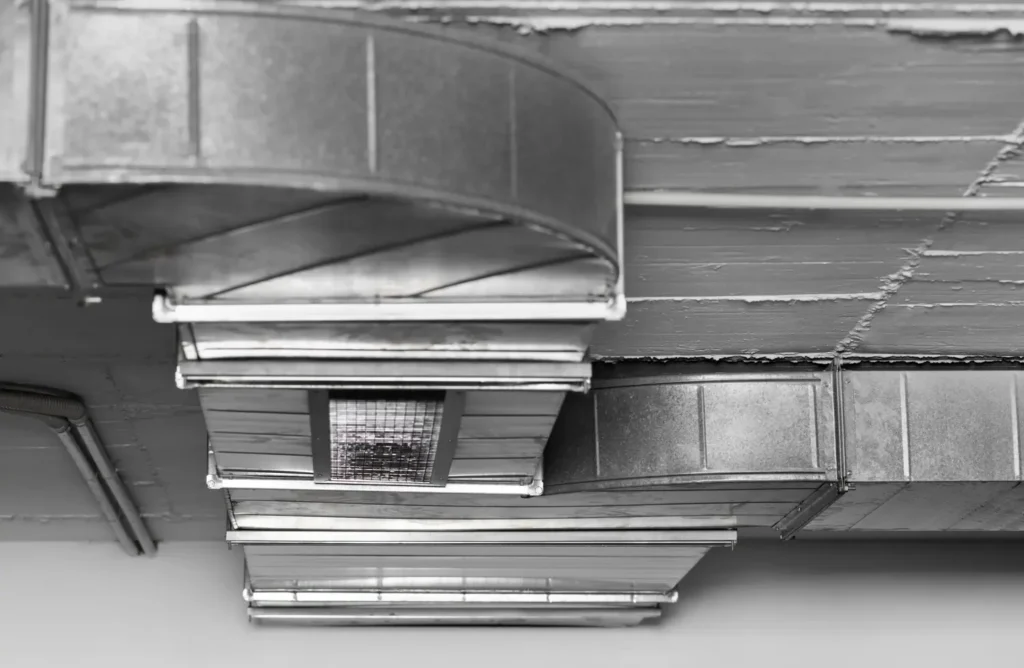
ICTESS’s Course in HVAC Fault Diagnostics and Energy Efficiency trains you to use and interpret the industry’s standard tools: digital manifold gauges for measuring high- and low-side pressures in refrigeration circuits, clamp meters for analyzing electrical loads and detecting overloads, infrared thermometers for measuring surface temperatures on heat exchangers and piping, and anemometers for verifying airflow rates. You’ll also learn to use electronic refrigerant leak detectors and interpret thermostat and digital control data to evaluate the behavior of inverter-controlled systems. The course teaches you not just how to take measurements, but fundamentally how to correlate the values you obtain with nominal parameters to identify deviations that point to specific component failures.
An EPA Section 608 certification isn’t required to take this course, though prior knowledge of HVAC and refrigeration is recommended. The course is designed both for certified technicians looking to specialize in advanced diagnostics and for professionals with hands-on maintenance experience who want to systematize their diagnostic skills. It’s also accessible to technical managers, facility management professionals, and energy industry professionals who need to understand HVAC system behavior to oversee services or propose improvements. The content covers refrigeration cycle fundamentals and component behavior, but focuses specifically on fault diagnostics, not on refrigerant handling, which requires separate certification.
The ICTESS professional certificate validates your technical specialization in HVAC fault diagnostics and energy efficiency, and is recognized by employers as high-level supplementary training. While it doesn’t replace the EPA Section 608 certification required for refrigerant handling, the certificate documents specific, highly valued technical skills: systematic diagnostics using decision trees, professional interpretation of technical measurements, and the ability to propose quantifiable efficiency improvements. Maintenance companies, facility management firms, and energy service providers particularly value this training as a complement to a technician’s base certification, since it demonstrates professional working methodology and up-to-date advanced diagnostic techniques.
This Course in HVAC Fault Diagnostics and Energy Efficiency stands out for its methodological focus on systematic diagnostics and its emphasis on energy optimization, not just repair procedures. While many maintenance courses focus on intervention steps and component replacement, this program teaches you to identify the real root cause of a problem before acting, using structured decision trees and correlated measured parameters. This reduces diagnostic time and avoids unnecessary replacements. The course also includes a dedicated energy efficiency module where you learn to evaluate actual installation performance using operating SEER2 and HSPF2, detect avoidable efficiency losses, and propose low-cost improvements with estimated savings. This combination of advanced diagnostics and energy efficiency directly addresses current industry demand.