
Fully online technical training designed around real industry demand, so you can specialize at your own pace.
10/31/2026
Start Date
2 months
Duration
100
Total Hours
6 Modules
Program
Duration
Total Hours
Program
Start Date
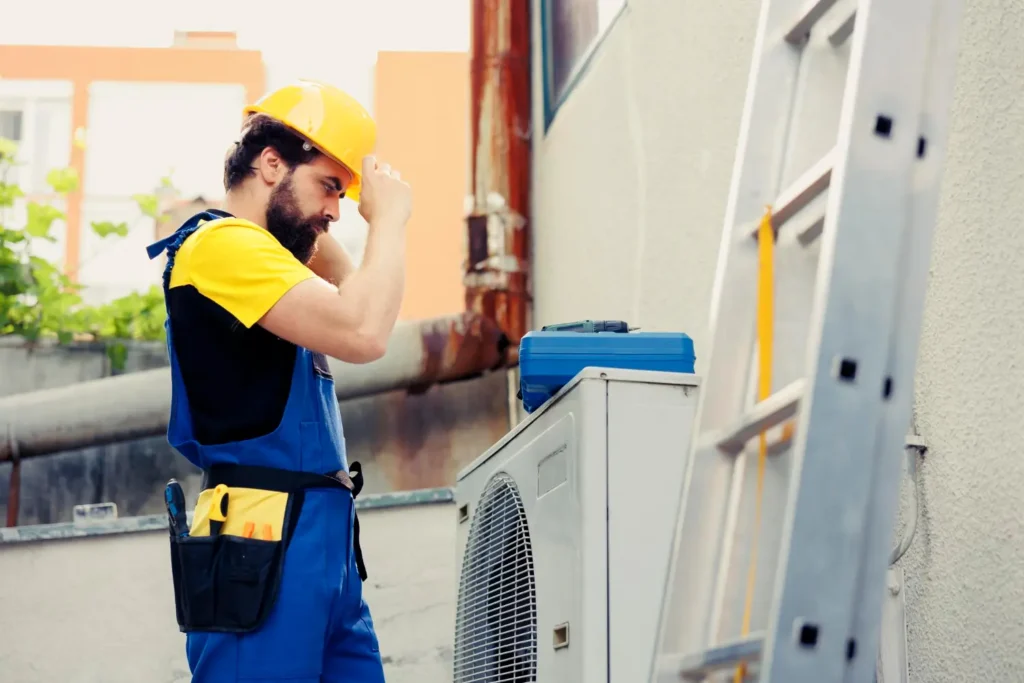
ICTESS’s Course in Preventive and Corrective HVAC Maintenance is designed to train technicians who specialize in servicing and repairing HVAC and refrigeration installations. The program covers the main technologies found in air conditioning systems, heat pumps, chillers, and mechanical ventilation equipment.
You’ll learn the diagnostic techniques and service procedures used by professionals in the field: measuring pressures in refrigeration circuits, analyzing evaporating and condensing temperatures, monitoring energy consumption, handling common equipment failures, and meeting applicable maintenance codes and standards. The course includes a Capstone Project where you’ll apply everything you’ve learned to a complete maintenance plan for a real HVAC installation.
The Course in Preventive and Corrective HVAC Maintenance answers the industry’s need for qualified technicians who can keep HVAC installations running at peak performance. Maintenance companies and building technical departments need professionals who master both preventive inspection protocols and the diagnostic and repair techniques for heating and cooling system failures.
The course’s purpose is to train professionals who can plan and carry out complete maintenance programs. You’ll learn to build inspection checklists, take technical measurements with professional instruments, interpret pressure and temperature readings to catch anomalies, manage indoor air quality through filtration control, and resolve the most common failures in compressors, expansion valves, and control systems.
The training includes hands-on work with professional measurement instruments (digital manifold gauges, infrared thermometers, leak detectors, clamp meters) and culminates in a Capstone Project where you’ll develop a complete preventive and corrective maintenance plan for a full HVAC installation.
The Course in Preventive and Corrective HVAC Maintenance qualifies you for technical roles at HVAC maintenance companies, facility management firms, building technical departments, and manufacturer technical support services. You can work as an HVAC maintenance technician, HVAC systems lead, manufacturer service technician, or operations supervisor at commercial or industrial buildings.
The training prepares you to manage the complete installation maintenance cycle: building preventive maintenance plans with appropriate schedules, performing systematic inspections using standardized checklists, diagnosing failures through analysis of operating parameters, and carrying out repairs in compliance with safety procedures and applicable codes.
You’ll also build skills to manage spare parts and consumables, document service work in required maintenance logs, optimize the energy performance of existing installations, and propose efficiency improvements for HVAC systems. The hands-on approach lets you apply what you learn directly to real installations in the field.
Study from anywhere with no commute required. Balance your technical specialization with your current professional schedule.
Organize your study around your own availability. Move through the content on your schedule and revisit whatever needs reinforcement.
Learn with the same protocols, checklists, and measurement techniques professional maintenance technicians use.
Technical video lessons, up-to-date downloadable materials, forums with specialized tutors, and hands-on diagnostic case studies.
With ICTESS, you’ll receive specialized technical training focused on professional practice and built to help you master the competencies the HVAC and refrigeration sector demands. Learn with up-to-date methodology and real maintenance procedures.
What you'll achieve
Plan preventive maintenance programs for HVAC systems by building inspection checklists, defining schedules, and allocating resources based on installation type.
Perform technical measurements of pressures, temperatures, and electrical consumption using professional instruments, interpreting readings to detect deviations and operating anomalies.
Carry out cleaning operations, filter replacement, and indoor air quality control, applying health and energy efficiency criteria under applicable indoor air quality and energy codes.
Diagnose and resolve common failures in compressors, expansion valves, fans, and control systems, managing spare parts and documenting corrective service work.
Apply safety procedures for refrigerant handling and electrical work, completing required records and maintenance logs under applicable codes.
The HVAC and refrigeration industry continues to grow steadily, driven by the expansion of commercial building stock and rising energy efficiency requirements. Applicable maintenance codes and manufacturer warranty requirements call for regular preventive maintenance on HVAC equipment, creating structural demand for qualified technicians who can perform this work in compliance with code.
Shortage of specialized maintenance technicians: companies in the field report difficulty finding professionals who master both diagnostic techniques and required documentation procedures. The combination of hands-on measurement and repair skills with up-to-date code knowledge is especially in demand and in short supply in the job market.
Growing complexity of HVAC systems: today’s installations integrate advanced technologies such as inverter heat pumps, VRF systems, heat recovery units, and digital controls. Effective maintenance requires specific training to understand how this equipment works and correctly diagnose anomalies through technical parameter analysis.
Direct impact on energy efficiency and comfort: poor maintenance can increase an installation’s energy consumption by as much as 30% and compromise indoor air quality. Professionals trained in optimization techniques deliver differentiated value to companies committed to sustainability and occupant well-being.
Completing the Course in Preventive and Corrective HVAC Maintenance positions you in an industry with steady demand for qualified technicians. The installed base of HVAC equipment in commercial, retail, and industrial buildings needs professionals who can keep it running efficiently and meet the maintenance requirements set by applicable codes.
Access to a stable job market: HVAC maintenance is a recurring activity required under applicable codes, which guarantees ongoing demand for specialized technicians.
Professional diagnostic skills: you’ll master the measurement and parameter interpretation techniques that let you catch anomalies before they turn into major failures. This skill sets you apart from technicians without specific training and lets you take on higher-level responsibilities on maintenance teams.
Optimizing installation performance: you’ll learn to identify energy inefficiencies and propose improvements that reduce consumption and operating costs, a skill increasingly valued by companies committed to sustainability and carbon footprint reduction.
Recognized professional certificate: the ICTESS Professional Certificate backs your technical specialization in HVAC maintenance, strengthening your position in hiring processes and validating your skills to companies in the HVAC industry.
This course is designed for technical professionals looking to specialize in, or update their skills in, HVAC and refrigeration maintenance. Recommended profiles include:
Program details

The Capstone Project is the culminating stage of the course and brings together every technical competency developed throughout the program. It involves the complete development of a preventive and corrective maintenance plan for a real HVAC installation, applying the professional methodologies and service protocols the industry requires.
The project must include a technical characterization of the installation (equipment, capacities, refrigerants, age), inspection checklists tailored to each component, maintenance schedules based on applicable codes and manufacturer recommendations, and measurement procedures with reference values for detecting anomalies. You’ll also develop a failure diagnostic protocol for the most common issues, including a decision tree and corrective actions.
The work also includes planning for critical spare parts management, designing required maintenance records (service log, work orders, refrigerant tracking), and proposing energy efficiency improvements for the installation analyzed. The final documentation must be presented in the professional format maintenance companies use in their service proposals and facility management plans, demonstrating your ability to produce complete technical documentation suitable for presentation to clients or building managers.
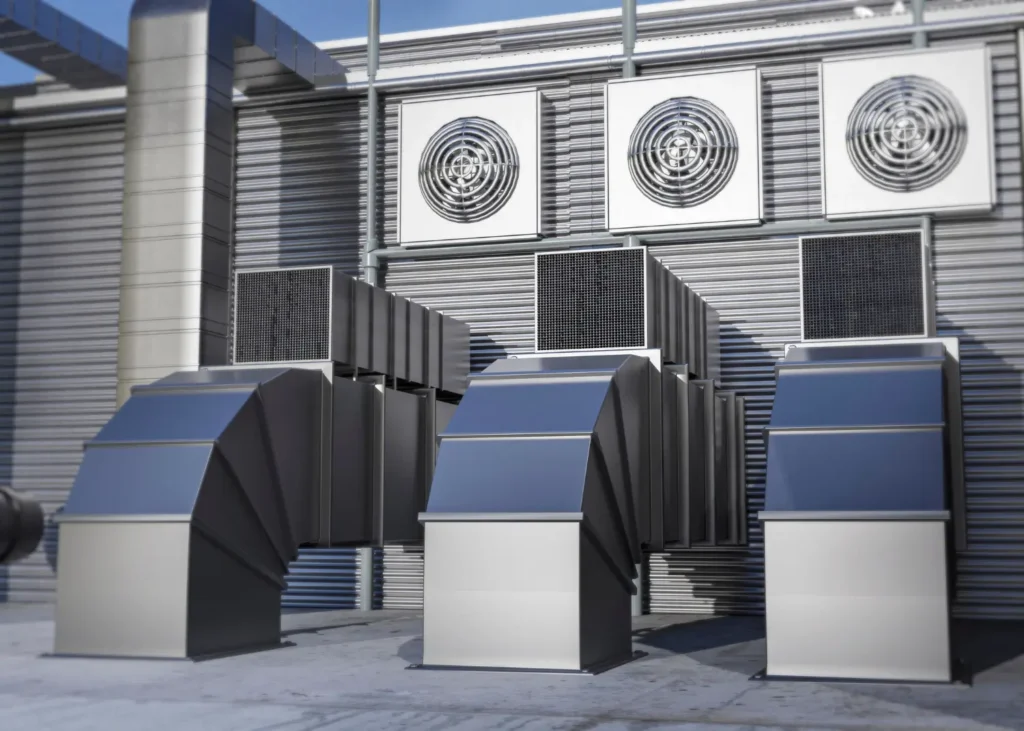
ICTESS’s Course in Preventive and Corrective HVAC Maintenance includes hands-on training with the standard instrumentation professional technicians use in the field: digital manifold gauges for measuring high- and low-side pressures in refrigeration circuits, infrared and contact thermometers for monitoring temperatures at the evaporator, condenser, and lines, clamp meters for verifying compressor and fan electrical consumption, and refrigerant leak detectors. You’ll learn to interpret these measurements to calculate key parameters such as superheat and subcooling, identify deviations from rated values, and diagnose operating anomalies before they turn into major failures. Command of this instrumentation is a baseline skill required in hiring processes at HVAC maintenance and service companies.
Basic knowledge of refrigeration and HVAC is recommended, though prior work experience in the field isn’t required. The course is designed for technicians trained in electrical work, electromechanics, thermal systems, or refrigeration who want to specialize in maintenance. It’s also accessible to facility management professionals who manage buildings with HVAC installations and need to understand how they operate and are maintained. The content starts with refrigeration cycle fundamentals and progressively moves into advanced diagnostic techniques. It’s important to be able to read technical schematics, use measurement instruments, and understand basic thermodynamics and electrical concepts applied to HVAC systems.
The ICTESS Professional Certificate documents your specialized technical training in HVAC maintenance and is recognized by companies in the field as high-level supplementary training. Applicable codes require maintenance work to be performed by qualified personnel, and this course gives you the technical skills that requirement calls for: knowledge of inspection protocols, measurement and parameter interpretation skills, required record-keeping, and safety procedures. While handling refrigerants requires EPA Section 608 certification under federal regulations, this course complements that credential with the practical diagnostic and maintenance planning skills that maintenance companies value highly.
This Course in Preventive and Corrective HVAC Maintenance stands out for its specific focus on maintenance operations, as opposed to courses centered on installation or design. While other programs cover equipment assembly or thermal load calculations, this course dives deep into the skills a maintenance technician needs on the job every day: building preventive plans with systematic checklists, measurement techniques for diagnosing anomalies, procedures for resolving common failures, efficient spare parts management, and required maintenance documentation under applicable codes. The content includes practical diagnostic case studies based on real operating parameter analysis, not just component theory. It also specifically addresses the documentation maintenance companies are required to keep, a critical skill rarely covered in generalist courses.