
Fully online technical training designed around real industry demand, so you can specialize at your own pace.
10/31/2026
Start Date
2 months
Duration
100
Total Hours
6 Modules
Program
Duration
Total Hours
Program
Start Date
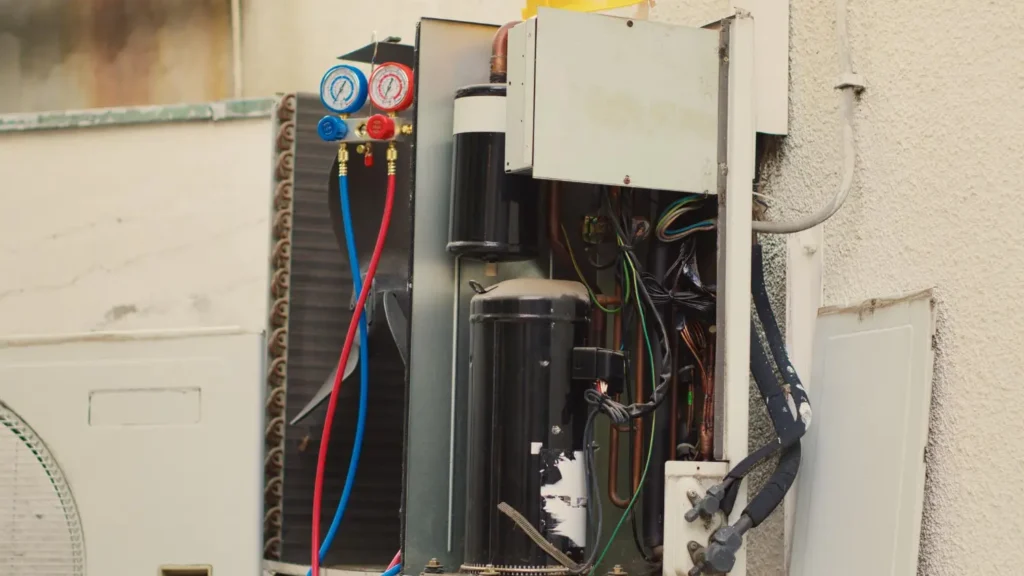
ICTESS’s Course in VRV Systems delivers specialized technical training in variable refrigerant volume air conditioning systems, one of the most efficient and versatile technologies in the industry. The program covers everything from thermodynamic fundamentals to advanced system configurations, including applications in commercial buildings, hotels, offices, and high-end residential projects.
You’ll learn the operating principles that let VRV systems match their capacity to each zone’s actual demand, the criteria for selecting indoor and outdoor units, refrigerant piping network configuration, and centralized control strategies. The course includes a Capstone Project where you’ll apply everything you’ve learned to sizing a complete VRV installation.
The HVAC industry increasingly needs professionals who can design and install high-efficiency systems. VRV systems have become the preferred solution in commercial buildings for their heat recovery capability, zoning flexibility, and lower energy consumption compared to conventional direct-expansion or hydronic systems.
The course’s purpose is to train technicians who understand how these systems work across all their variants: cooling-only, heat pump, and simultaneous heat recovery. You’ll learn to interpret refrigerant flow diagrams, calculate equivalent pipe lengths, select units based on connection ratios, and configure control systems to optimize energy performance based on occupancy and weather conditions.
The program covers selection software from the industry’s leading manufacturers and concludes with a Capstone Project where you’ll develop a complete sizing package for a VRV installation in a sample building.
The course qualifies you for specialized technical roles at HVAC contracting companies, building engineering firms, HVAC equipment distributors, and maintenance departments at large buildings. You can work as a VRV systems specialist, HVAC project lead, technical sales consultant, or after-sales service technician for manufacturers.
The program prepares you to perform preliminary sizing and technical selection of VRV systems based on each project’s needs: calculating zone-by-zone cooling loads, selecting indoor units based on space type, sizing the outdoor unit while accounting for connection ratios, and designing the refrigerant piping layout per manufacturer specifications.
You’ll also gain skills to configure control systems, diagnose faults through error codes, and provide technical guidance on this technology’s advantages over conventional alternatives.
Study from anywhere, with no commuting required. Balance your technical specialization with your current job.
Organize your studies around your own schedule. Move through the content at your own pace and reinforce what you need.
Content built around the actual methodology and terminology that manufacturers and specialized installers use.
Technical video lessons, downloadable refrigerant diagrams, forums with specialized tutors, and hands-on selection exercises.
With ICTESS, you’ll get specialized technical training in VRV systems, focused on professional practice and designed to help you master the skills the high-efficiency HVAC industry demands.
What you'll achieve
Understand the thermodynamic principles of the refrigeration cycle in VRV systems and how they behave under part-load conditions compared to conventional systems.
Identify and select the main components of a VRV installation: outdoor units, indoor units, branch selector boxes, piping, and control elements.
Calculate connection ratios, equivalent pipe lengths, and maximum allowable elevation differences per manufacturer technical specifications.
Configure centralized control systems to manage independent zones, schedule operating hours, and optimize overall energy consumption.
Size a complete VRV installation, applying technical selection criteria, pipe routing, and control configuration in an integrated project.
The HVAC market is shifting toward high-efficiency systems, driven by building performance standards that call for greater energy efficiency. VRV systems have become the go-to technology for commercial buildings because of their ability to adapt to variable loads and their lower energy consumption compared to conventional alternatives.
Steady growth in the VRV market: Sales of variable refrigerant volume systems continue to grow year over year, especially in office building retrofits, new hotel construction, and shopping centers. This growth is driving steady demand for technicians who can design, install, and maintain these systems to a professional standard.
Technical complexity that requires specialization: Unlike conventional HVAC systems, VRV requires specific knowledge of thermodynamics, refrigerants, connection ratios, and advanced control systems. Generalist installers can’t take on these projects without specific training, creating a professional niche for specialized technicians.
A requirement for working with leading manufacturers: The industry’s major brands (Daikin, Mitsubishi Electric, LG, Samsung, Hitachi) require specific training to install and maintain their VRV systems. Technical specialization is a baseline requirement for joining these manufacturers’ authorized installer networks.
Completing the Course in VRV Systems positions you in a highly specialized segment of the HVAC industry. Variable refrigerant volume systems dominate the commercial building market, and demand for technicians specialized in this technology significantly outpaces the supply of qualified professionals.
Access to larger-scale projects: Specializing in VRV lets you take part in HVAC projects for commercial buildings, hotels, data centers, and office buildings where these systems are the standard solution. Professionals with specific knowledge gain access to higher-budget, more technically complex projects.
Professional differentiation in the industry: While most HVAC technicians work with conventional systems, mastering VRV technology sets you apart as a specialist. Contracting companies especially value this differentiation when looking for technicians who can take on complex projects independently.
Technological versatility: You’ll understand the variants offered by the market’s leading manufacturers (heat recovery systems, two-pipe and three-pipe configurations, integration with air-source heat pumps), significantly broadening your job options and your ability to provide technical guidance.
This course is designed for HVAC and refrigeration professionals who want to specialize in variable refrigerant volume systems. Recommended profiles include:
Program details

The Capstone Project is the culminating stage of the program and represents the practical integration of every technical skill developed throughout the course. It consists of completely sizing a VRV installation for a sample building, applying the selection methodologies and technical criteria used by HVAC industry professionals.
The project includes calculating cooling loads by building zone, selecting indoor units based on space type and comfort requirements, sizing the outdoor unit while accounting for connection ratios and climate conditions, designing the refrigerant piping layout with calculated equivalent lengths and elevation differences, selecting branch selector boxes and accessories, and configuring basic controls to manage independent zones.
The project must be presented in the format and at the technical level of a professional preliminary sizing report, including schematic diagrams, equipment selection tables, and justification of the technical criteria applied. This documentation demonstrates your ability to develop technical VRV system proposals that could be presented to industry clients or serve as the basis for detailed HVAC installation projects.
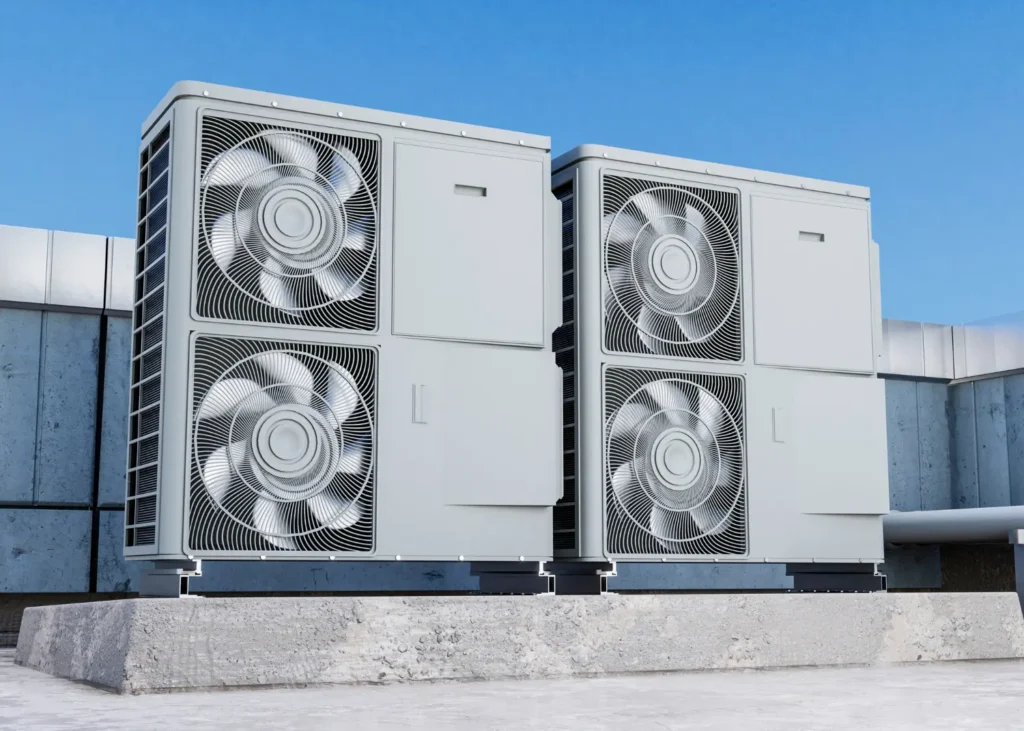
ICTESS’s Course in VRV Systems familiarizes you with the selection tools provided by the industry’s leading manufacturers. You’ll learn to use preliminary sizing software to calculate cooling loads, select indoor and outdoor units based on connection ratios, and verify compliance with pipe length and elevation technical specifications. While each manufacturer has its own selection software, the technical criteria and working methodology are common across all of them, so mastering the process lets you adapt quickly to any brand on the market. You’ll also work with refrigerant flow diagrams, selection tables, and real technical documentation for VRV systems.
You don’t need an existing refrigeration trade license to take this course, though prior knowledge of HVAC or refrigeration is recommended. The program is designed for professionals with technical training in related areas: HVAC installers, electricians with HVAC experience, maintenance technicians, engineers, or trade program students. If your goal is to perform professional VRV system installations, you’ll need to obtain EPA Section 608 Technician Certification, since these systems use regulated refrigerants. The course gives you the technical design and selection knowledge, which complements the legal certification required to handle refrigerants.
The ICTESS professional certificate documents your technical training in variable refrigerant volume systems and is valued by industry employers as complementary specialization. However, each manufacturer (Daikin, Mitsubishi Electric, LG, Samsung, Hitachi) runs its own official certification program for authorized installers, which generally requires brand-specific training delivered by the manufacturer. ICTESS’s course gives you a solid technical foundation that significantly eases access to these manufacturer certifications, since you’ll master the operating principles, selection criteria, and control configuration that are common to every VRV system on the market.
This Course in VRV Systems stands out for its specific focus on variable refrigerant volume systems, while generalist HVAC courses cover multiple technologies superficially. The program goes deep into the technical aspects specific to VRV: part-load behavior, connection ratios between units, equivalent pipe length calculations, two-pipe and three-pipe configurations, and simultaneous heat recovery systems. The content is also oriented toward real professional practice: equipment selection based on manufacturer specifications, interpreting technical documentation, and troubleshooting common installation issues. It isn’t a theoretical course on refrigeration principles, but applied technical training in a specific, high-demand technology.