
Fully online technical training designed around real industry demand, so you can specialize at your own pace.
11/14/2026
Start Date
12 months
Duration
1500
Total Hours
8 Modules
Program
Duration
Total Hours
Program
Start Date
$6199
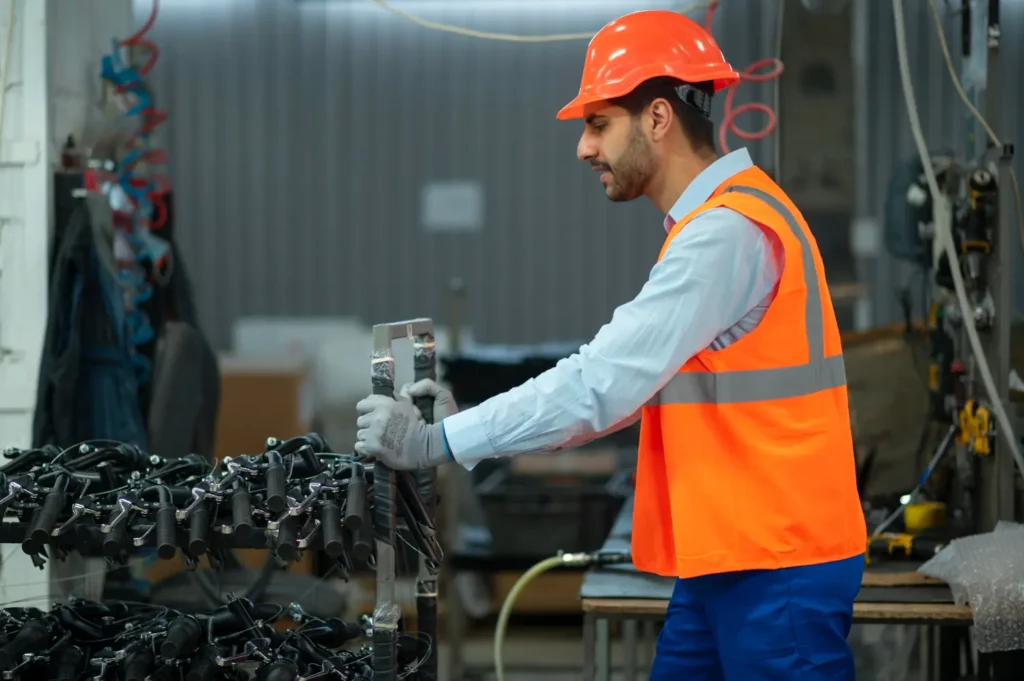
ICTESS’s Industrial Process Systems Design & Maintenance Professional Certificate is designed to train specialists in the design, calculation and maintenance management of process systems in industrial environments. The program covers critical plant systems: piping networks, hydraulic circuits, pumping systems, valves, heat exchangers and control instrumentation.
You will learn the engineering calculations used on real projects: hydraulic design with the Darcy-Weisbach equation, pump selection using performance curves, heat exchanger sizing with LMTD, P&ID development to ISA standards, reliability analysis with RCM, and failure analysis techniques such as FMEA and FTA. The program includes a Capstone Project in which you will develop the complete redesign of an industrial facility.
The Industrial Process Systems Design & Maintenance Professional Certificate responds to the manufacturing sector’s need for professionals who can design efficient process systems and manage their maintenance effectively. Industrial plants need specialists who master hydraulic calculations, reliability methodologies and failure analysis techniques to maximize equipment availability.
The purpose of the program is to train professionals who can lead process system design and redesign projects and implement reliability-centered maintenance strategies. You will learn to size piping networks, select pumping and heat transfer equipment, prepare professional technical documentation, apply RCM to optimize maintenance plans, and manage planned shutdowns while minimizing downtime.
The training includes hands-on work with professional software used by process engineering firms (AutoCAD P&ID, FluidSIM, FMEA analysis tools) and culminates in a Capstone Project in which you will redesign an industrial facility using every skill acquired in the technical modules.
The Industrial Process Systems Design & Maintenance Professional Certificate qualifies you for specialized technical roles at process engineering firms, production plants, engineering departments in the chemical, pharmaceutical and food industries, and industrial maintenance companies. You will be able to work as a process engineer, maintenance manager, reliability engineer or facility optimization consultant.
The program prepares you to manage complete design and improvement projects: performing hydraulic calculations for piping networks, selecting pumps and auxiliary equipment from performance curves, preparing professional P&IDs, designing reliability-based maintenance strategies, and coordinating planned shutdowns with minimal production impact.
You will also build the skills to perform failure analysis with FMEA and FTA, implement predictive maintenance programs, conduct plant energy audits and prepare as-built technical documentation. The hands-on approach lets you apply what you learn right away on real industrial projects.
Study from anywhere, with no commuting. Balance your technical specialization with your current job.
Plan your study around your schedule. Move through the modules whenever it suits you and review what you need.
Learn AutoCAD P&ID, FluidSIM and FMEA tools, the same programs process engineering firms use.
Technical video lessons, up-to-date downloadable materials, forums with specialized instructors and hands-on calculation exercises.
With ICTESS, you get specialized technical training focused on professional practice and designed to help you master the skills the industrial process systems sector demands. Learn with an up-to-date methodology and real engineering tools.
What you'll achieve
Design industrial piping networks applying material selection criteria, support systems, thermal flexibility analysis and routing in accordance with ASME B31.3.
Calculate closed and open hydraulic circuits using the Darcy-Weisbach equation, fitting losses and pump selection based on performance curve analysis.
Prepare P&IDs using ISA symbology, design control loops with field instrumentation and define interlock and process safety logic.
Apply RCM methodologies to optimize maintenance plans, perform failure analysis with FMEA and FTA, and implement predictive maintenance techniques.
Manage planned shutdowns and turnarounds, prepare as-built technical documentation and conduct energy audits to identify plant efficiency improvements.
Industry faces the challenge of modernizing aging facilities and optimizing operational efficiency to stay competitive. Process plants need professionals who can redesign existing systems, implement reliability-centered maintenance strategies and reduce energy costs. This creates sustained demand for process systems engineers with skills in both design and maintenance management.
A shortage of profiles with an integrated view: Employers report difficulty finding professionals who master both hydraulic system design and predictive maintenance methodologies. Companies lack profiles that can diagnose problems in existing facilities, propose technically sound improvements and manage their implementation with minimal production impact.
Increasingly sought-after reliability methodologies: Sectors with high availability requirements (chemical, pharmaceutical, food, energy) need professionals trained in RCM, FMEA and root cause analysis. The ability to optimize maintenance plans while cutting costs and maximizing equipment availability is increasingly valued by technical leaders working to improve operational performance indicators.
A competitive edge in the job market: Specialized training in process systems design and maintenance sets you apart from generalist profiles. Mastering hydraulic calculations, P&ID development, reliability methodologies and shutdown management makes you a top candidate at industrial companies that need engineers who can deliver from day one.
Completing the Industrial Process Systems Design & Maintenance Professional Certificate positions you in a sector with steady demand for technical specialists. Industrial plants across every production sector need qualified professionals to design efficient systems and ensure operational availability through optimized maintenance strategies.
Access to specialized technical roles: You will be able to apply for positions such as process engineer, maintenance manager, reliability engineer or facility optimization consultant. Combining design and maintenance skills sets you apart in a market that values professionals who can handle both disciplines with a full lifecycle view of the facility.
Command of professional methodologies: Hands-on use of techniques such as RCM, FMEA, FTA and root cause analysis sets you apart in hiring processes, since these are essential methodologies in industries with high reliability and safety requirements. They are highly valued in the chemical, pharmaceutical, food and energy sectors.
Ability to lead improvement projects: You will develop the skills to diagnose inefficiencies in existing facilities, propose technically justified redesigns and manage their implementation through planned shutdowns, so you can take on greater technical and budget responsibility in industrial optimization projects.
Professional certificate: The ICTESS professional certificate backs your technical specialization in process systems design and maintenance, strengthening your position in the job market and validating your skills with industrial employers.
This program is designed for professionals and graduates who want to specialize in the design, calculation and maintenance of process systems in industrial environments. Recommended profiles include:
Program details

The Capstone Project is the culminating stage of the program and brings together all the technical skills developed throughout the course. It consists of the complete redesign of an industrial facility, from diagnosis to the implementation proposal, using the professional methods and calculation tools applied in the industry.
The project starts with the analysis of an existing facility, identifying inefficiencies, bottlenecks and improvement opportunities. You will perform the hydraulic calculations for the new configuration, size piping based on velocity and pressure loss criteria, select pumps and heat exchangers based on technical and economic criteria, prepare updated P&IDs using ISA symbology, and design the optimized maintenance plan with RCM and FMEA of critical equipment.
The project also includes planning the implementation phase through a planned shutdown, operational risk analysis, complete as-built documentation, and an economic feasibility study with energy savings and ROI estimates. The final documentation must meet the technical level and professional format expected of engineering project reports, demonstrating your ability to produce rigorous technical documentation that could be presented to technical leadership or industrial clients.
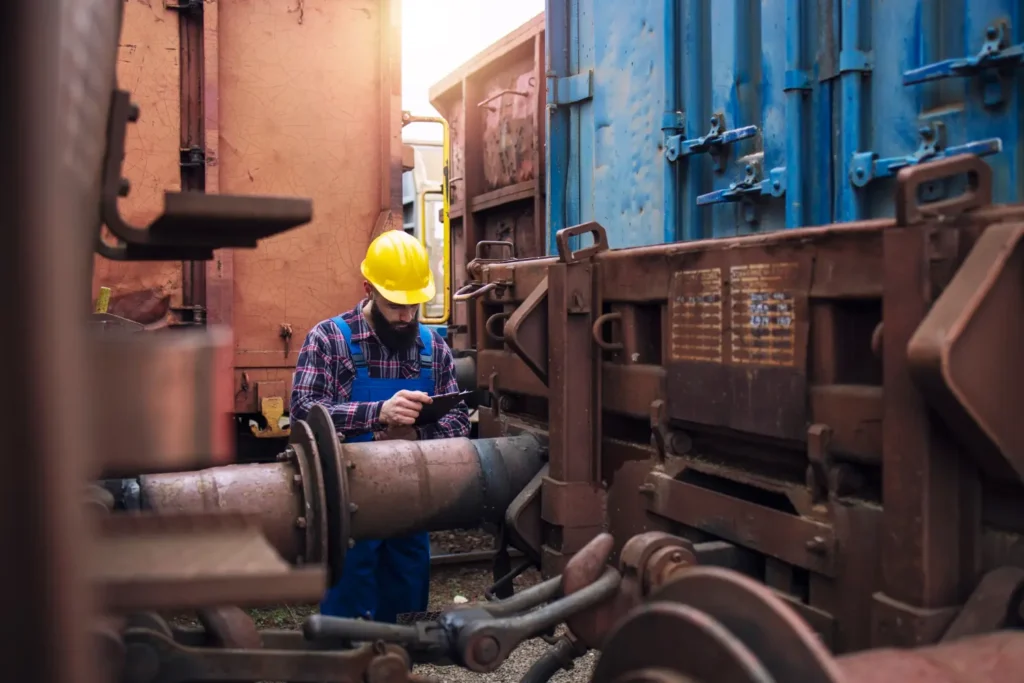
ICTESS’s Industrial Process Systems Design & Maintenance Professional Certificate includes hands-on training with industry-standard tools: AutoCAD P&ID for preparing instrumentation diagrams using ISA symbology, FluidSIM for simulating hydraulic circuits and analyzing system behavior, and specific tools for FMEA analysis and maintenance management. You will use these platforms on real industrial case studies, from pressure loss calculations to reliability-based maintenance plans. These tools are highly valued by process engineering firms and maintenance departments, since they are the programs used to develop facility design and optimization projects.
An engineering degree is not required, but an advanced technical background in fluid mechanics, thermodynamics, industrial processes or maintenance is recommended. The program is designed for industrial, chemical, mechanical and process engineers, and it is also accessible to industrial maintenance, mechatronics or HVAC technicians with an associate degree and a solid technical foundation. Professionals with proven experience in production plants, maintenance departments or engineering firms can also enroll if they have prior knowledge of hydraulics, instrumentation or facility management. The program includes advanced content with engineering calculations, so you should be comfortable with mathematical formulas and technical software.
The ICTESS Professional Certificate validates your technical specialization in process systems design and maintenance and is recognized by industrial employers as advanced professional development. While it is not an accredited academic degree, the certificate documents in-demand technical skills: hydraulic system design, P&ID development, RCM and FMEA methodologies, and the ability to manage plant redesign and optimization projects. Many engineering firms, production plants and maintenance departments especially value this hands-on training as a complement to a university degree, since it shows command of real industry tools and practical experience with the projects developed during the program.
The Industrial Process Systems Design & Maintenance Professional Certificate stands out for its integrated design-maintenance approach and technical depth in process engineering calculations. While many courses focus only on maintenance management or offer general knowledge, this program covers in depth both hydraulic system design (piping, pumps, heat exchangers, instrumentation) and advanced reliability methodologies (RCM, FMEA, FTA). The content includes real technical calculations: network sizing with Darcy-Weisbach, pump selection from performance curves, control loop design to ISA standards, and failure mode analysis with criticality ranking. This full lifecycle view lets you diagnose problems from a design perspective and propose technically sound improvements.