
Fully online technical training designed around real industry demand, so you can specialize at your own pace.
11/14/2026
Start Date
12 months
Duration
1500
Total Hours
12 Modules
Program
Duration
Total Hours
Program
Start Date
$6170
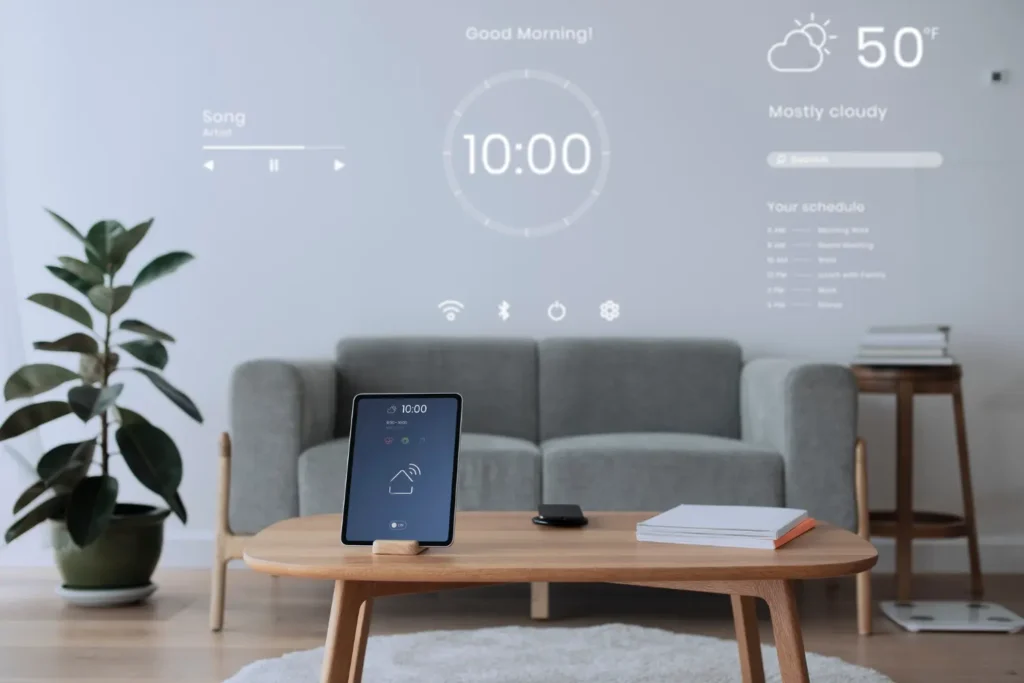
ICTESS’s Smart Building Automation and Controls Professional Certificate is designed to train specialists in the design, integration and management of automated systems for residential, commercial and industrial buildings. The program covers the most widely adopted communication protocols in the industry, KNX, BACnet, Zigbee and MQTT, along with integration architectures for smart buildings.
You will learn the technical calculations and design methods professionals apply on real projects: home and building automation network topology, logic controller programming, integration of HVAC, lighting and security subsystems, energy management through Building Management Systems (BMS), data analysis with monitoring dashboards and cybersecurity in IoT environments. The program includes a Capstone Project in which you will apply everything you learn to the integrated design of a smart building.
The Smart Building Automation and Controls Professional Certificate responds to the growing demand for professionals who can design and manage automated buildings with a focus on energy efficiency and comfort. The construction and building management industry needs specialists who master both standard communication protocols and integration platforms, data analytics and cybersecurity for connected environments.
The goal of the program is to train professionals who can lead complete automation projects from design through commissioning and maintenance. You will learn to select network architectures by building type, program controllers and PLCs, integrate heterogeneous subsystems under unified platforms, implement energy management strategies and oversee installations through remote monitoring with real-time data analysis.
The training includes hands-on use of professional software used by systems integrators: ETS for KNX, BACnet platforms, PLC programming environments and SCADA visualization tools. The program culminates in a Capstone Project where you will develop the integrated design of a smart building, applying every skill acquired in the technical modules.
The Smart Building Automation and Controls Professional Certificate prepares you for specialized technical roles at systems integrators, MEP engineering firms, real estate developers with smart building projects and the facility management departments of large organizations. You will be able to work as a building automation integration engineer, BMS technical lead, smart building consultant or operations and maintenance technician for automated facilities.
The training prepares you to manage complete projects from design to operation: conducting needs assessments and writing technical specifications, designing network architectures in line with applicable codes, preparing design narratives and permit submittal packages, programming controllers and overseeing construction, and optimizing performance through energy consumption analytics.
You will also build the skills to contribute to green building certifications such as LEED, audit existing facilities and propose efficiency improvements, design multi-protocol integration strategies and manage the cybersecurity of connected systems. The hands-on approach lets you apply what you learn right away on real projects.
Study from anywhere, with no commuting. Balance your technical specialization with your current job.
Organize your study around your schedule. Move through the modules at your own pace and revisit whatever you need.
Learn ETS for KNX, BACnet platforms and SCADA tools, the same software integrators use on real projects.
Technical video lessons, up-to-date downloadable materials, forums with specialized instructors and hands-on programming exercises.
With ICTESS you will receive specialized technical training focused on professional practice and designed to help you master the skills the building automation and smart building industry demands. Learn with up-to-date methodology and real integration tools.
What you'll achieve
Design home and building automation architectures, selecting the right protocols (KNX, BACnet, Zigbee, MQTT) based on building type, functional requirements and applicable codes.
Program logic controllers and configure field devices (sensors, actuators) to integrate HVAC, lighting, shading, access control and security subsystems.
Implement building energy management strategies through BMS, analyzing consumption data and optimizing system performance with efficiency criteria.
Apply cybersecurity measures in IoT and automation environments, protecting building networks against vulnerabilities and ensuring data integrity.
Develop complete smart building projects that integrate technical design, code documentation, commissioning, remote monitoring and maintenance planning.
The smart building market is experiencing sustained growth, driven by stricter energy requirements and the digitalization of real estate. Energy codes such as the IECC and ASHRAE 90.1 include mandatory lighting and HVAC control requirements, and a growing number of state and local building performance standards are pushing owners toward automated energy management. This creates steady demand for technical professionals specialized in automation.
Demand for qualified integrators: Employers need professionals who can design, program and maintain multi-protocol automation systems, and filling specialized technical positions is often a challenge, especially for roles that require expertise in KNX, BACnet, IoT cybersecurity and complex BMS platforms.
Increasingly sought-after multidisciplinary skills: Today’s projects require integrating HVAC, lighting, security, access control and energy management under unified platforms. Technical expertise across multiple protocols and subsystems at once is increasingly valued by engineering firms, developers and facility management companies.
A competitive edge in the job market: Specialized training in home and building automation sets you apart from generalist profiles. Mastering controller programming, applicable codes, professional software and integration methods makes you a strong candidate at leading industry companies.
Completing the Smart Building Automation and Controls Professional Certificate positions you in a fast-growing industry with strong demand for technical specialists. The digitalization of the building stock and energy efficiency requirements are creating qualified job opportunities at systems integrators, MEP engineering firms and facility management departments.
Access to specialized technical roles: You can pursue positions such as building automation integration engineer, BMS technical lead, smart building consultant or operations and maintenance technician. Expertise across multiple protocols and subsystems significantly broadens your career options.
Command of professional tools: Proficiency in technical software such as ETS for KNX, BACnet platforms and SCADA systems sets you apart in hiring, since these tools are essential at systems integrators and hands-on experience with them is highly valued.
Ability to lead complete projects: You will build the skills to manage every phase of an automation project, from needs assessment to operation, so you can take on higher-level responsibilities and contribute to green building certifications.
A recognized ICTESS Professional Certificate: The ICTESS Professional Certificate validates your technical specialization in building automation and smart buildings, strengthening your position in the job market with industry employers.
This program is designed for professionals and graduates who want to specialize in the design, integration and management of smart building automation systems. Recommended profiles include:
Program details

The Capstone Project is the culminating stage of the program and brings together all the technical skills developed throughout the course. It consists of developing a complete smart building project, from needs assessment to the operations and maintenance proposal, using the professional methods and design tools applied in building automation integration.
The project covers the integrated design of an automated building with multiple subsystems under a unified architecture. You will define the functional requirements of the selected building, design the network topology and select protocols in line with applicable codes, program controllers and field devices, design HVAC, lighting and security integration schemes and implement an energy management strategy with dashboard monitoring.
The work also includes designing the system’s cybersecurity architecture, planning installation and commissioning, developing the operations and maintenance strategy with BMS and SCADA platforms and producing complete technical documentation. The final deliverable must meet the technical level and professional format of a permit submittal package, demonstrating your ability to produce rigorous technical documentation ready for clients, developers or green building certifiers.

The Smart Building Automation and Controls Professional Certificate from ICTESS includes hands-on training with the industry-standard tools used by systems integrators. You will learn to use ETS (Engineering Tool Software) to program and configure KNX systems, a worldwide standard for residential and commercial building automation. You will also work with BACnet configuration platforms for HVAC integration in commercial buildings, programmable logic controller (PLC) programming environments and SCADA systems for supervision and remote monitoring. Proficiency in these tools is highly valued by systems integrators, since they are the platforms used to develop construction documents and program real installations.
An engineering degree is not required, but technical training in electrical, electronics, telecommunications, computer science or building-related fields is recommended. The program is designed for industrial, electrical, electronics and telecommunications engineers, but it is also open to construction managers, building science graduates and associate degree holders with proven professional experience in building systems. Professionals with a computer science or controls background and basic knowledge of electrical systems and networks can also enroll. The content includes controller programming and protocol configuration, so you should be able to read technical schematics, use configuration software and work with programming logic.
The ICTESS Professional Certificate validates your technical specialization in home and building automation as high-level professional development. While it is not an accredited academic degree, the certificate documents specific, in-demand technical skills: designing automation architectures, programming KNX and BACnet systems, integrating subsystems, energy management through BMS and developing complete projects. Many systems integrators, MEP engineering firms and facility management departments value this kind of hands-on training as a complement to a university degree, since it shows you are up to date on current protocols, proficient in real industry tools and experienced in the projects developed during the program.
The Smart Building Automation and Controls Professional Certificate stands out for its multi-protocol approach and technical depth in systems integration. While many courses focus only on KNX or offer general automation knowledge, this program covers the industry’s main protocols (KNX, BACnet, Zigbee, MQTT), the integration of multiple subsystems (HVAC, lighting, security, access control) and advanced topics such as IoT cybersecurity, edge computing and data analytics. The content includes real controller programming, code-compliant network topology design, BMS platform configuration and monitoring dashboard development. The program also includes dedicated modules on complex project management and green building certifications, skills rarely covered in basic home automation courses.