
Fully online technical training designed around real industry demand, so you can specialize at your own pace.
10/31/2026
Start Date
2 months
Duration
100
Total Hours
6 Modules
Program
Duration
Total Hours
Program
Start Date
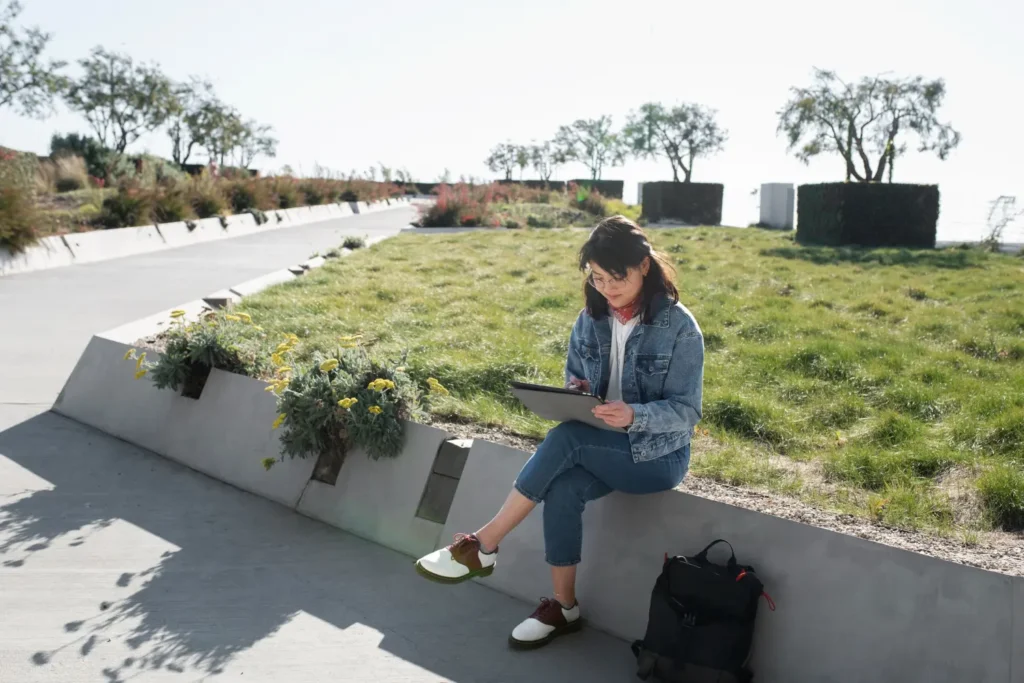
ICTESS’s Energy-Efficient and Green Roofs Training Course trains specialists in the design, calculation and installation of high thermal performance roof systems and vegetated solutions. The program covers the two main families of sustainable roofs: low-slope and steep-slope roofs with optimized insulation, and extensive and intensive green roofs with integrated vegetation systems.
You will learn the technical calculations for roof slopes, drainage and weathertightness to the IBC and IPC, insulation layer sizing to meet IECC and ASHRAE 90.1 requirements, waterproofing system selection based on service conditions, and green roof design with growing media, irrigation and plant selection criteria. The course ends with a Capstone Project, where you apply everything you have learned to a complete energy-efficient or green roof project.
The Energy-Efficient and Green Roofs Training Course responds to the growing demand for construction solutions that improve building thermal performance and reduce the urban heat island effect. Stricter energy codes and municipal green infrastructure strategies are driving the adoption of high-insulation roofs and vegetated systems that deliver environmental, thermal and stormwater management benefits.
The course prepares you to design roofs that meet weathertightness, thermal insulation and sustainability requirements at the same time. You will learn to calculate slopes and drainage systems, select waterproofing membranes based on chemical compatibility, size insulation for different climate zones, and design green roofs with structural load, growing media and climate-adapted plant criteria.
You will work hands-on with thermal calculation tools to verify compliance with the IECC and the plumbing code’s storm drainage requirements, along with design criteria for efficient green roof irrigation. The course ends with a Capstone Project, where you develop a complete project using all the technical skills from the modules.
The Energy-Efficient and Green Roofs Training Course prepares you for specialized technical roles at general contractors, architecture firms, roofing and waterproofing contractors, and the technical departments of roof system manufacturers. You could work as a building envelope technician, field quality control lead, sustainable roof designer, or technical advisor to developers, HOAs and condominium associations.
You will learn to manage complete roof projects: assessing existing roofs, calculating technical solutions to current codes, preparing thermal and hydraulic calculation reports, specifying waterproofing and insulation systems, and designing green roofs with sustainability and low-maintenance criteria.
You will also be able to advise on energy retrofit projects, audit roofs with leaks or condensation, propose corrective solutions, and write technical specifications for bid documents. The hands-on approach lets you apply what you learn to real sustainable construction projects right away.
Study from anywhere with no commute. Balance your technical specialization with your career.
Plan your study around your own schedule. Move through the modules when it suits you and review the calculations.
Learn from CAD detail libraries of transitions, roof drains, parapets and vegetated roof solutions.
Technical video lessons, up-to-date manufacturer documentation, forums with specialized tutors, and hands-on exercises.
With ICTESS you get specialized technical training focused on professional practice and built so you master the skills demanded in sustainable construction and roof energy retrofits. Learn with up-to-date methods and real cases.
What you'll achieve
Identify low-slope and steep-slope roof types, analyze their functional layers, and select roof assemblies based on thermal, structural and intended-use requirements.
Calculate drainage slopes, size roof drainage systems and verify weathertightness to the IBC and IPC, selecting waterproofing membranes compatible with the substrate and use.
Size thermal insulation to meet the IECC, check interstitial condensation with the dew point (Glaser) method, and design protected membrane (inverted) or conventional roof assemblies for each project.
Design extensive and intensive green roofs: growing media selection based on load capacity, climate-adapted plant species, and efficient irrigation with integrated drainage.
Develop preventive maintenance plans, identify common roof defects, and propose corrective solutions that ensure the long-term durability of the roof assembly.
Sustainable construction is growing, driven by the push toward zero energy buildings and urban green infrastructure strategies. The roof accounts for a significant share of a building’s energy losses, which makes roof upgrades one of the most cost-effective retrofit measures. Cities such as New York, San Francisco and Denver have also adopted ordinances that require green or solar roofs on certain buildings to manage stormwater and mitigate urban heat.
Shortage of sustainable roof specialists: Employers struggle to find technicians who can design roofs that integrate weathertightness, thermal insulation and vegetated systems at the same time. General contractors and architecture firms report difficulty finding staff with specific training in these increasingly demanded roof solutions.
A shift toward nature-based solutions: Today’s projects use green roofs as a strategy for climate adaptation, sustainable stormwater management and better urban environmental quality. Developers and public agencies committed to sustainability increasingly value technical expertise in vegetated roof systems.
Competitive edge in the job market: Specialized training in energy-efficient and green roofs sets you apart from generalist construction profiles. Mastering thermal calculations, waterproofing systems, green roof design and maintenance criteria makes you a priority candidate at leading companies.
Completing the Energy-Efficient and Green Roofs Training Course positions you in an expanding field driven by the push toward zero energy buildings and urban climate adaptation strategies.
Access to retrofit and sustainable new construction projects: You will be able to work on projects supported by energy retrofit programs and on buildings pursuing green certifications such as LEED or SITES. Specializing in energy-efficient and green roofs gives you access to a market segment with growing public and private investment in sustainability.
Command of specific technical calculations: In-depth knowledge of the IECC, IBC and IPC, U-factor calculations, drainage sizing and weathertightness verification sets you apart from generalist profiles and qualifies you to take on technical responsibility in defining and overseeing roof solutions.
Ability to design functional green roofs: You will build the skills to design vegetated systems that deliver real benefits: reduced stormwater runoff, improved thermal performance, urban heat island mitigation and greater urban biodiversity, services that developers and municipalities increasingly demand.
Recognized professional certificate: The ICTESS professional certificate backs your technical specialization in energy-efficient and green roofs, strengthening your position in the job market and validating your skills with sustainable construction companies.
This course is designed for professionals and technicians who want to specialize in the design, calculation and oversight of high thermal performance roof systems and vegetated solutions. Recommended profiles include:
Program details

The Capstone Project is the culminating stage of the course and brings together all the technical skills you develop. It involves the complete development of an energy-efficient or green roof project, from the initial building analysis to the full technical specification of the roof assembly, using the professional methods and code criteria the industry requires.
The project must address an existing or new building with specific energy efficiency or sustainability requirements. You will analyze the existing roof or base design, calculate slopes and drainage systems to the IPC, size thermal insulation and check for condensation, select waterproofing membranes with compatibility justification, and design construction details for parapets, roof drains, expansion joints and penetrations.
If you choose a green roof, the project also includes a structural capacity analysis, the selection of the drainage and water retention system, growing media specification based on the selected plants, and an efficient irrigation design. The final deliverable must meet the technical standard and professional format of construction documents, showing that you can produce complete technical specifications for new construction or retrofit projects.
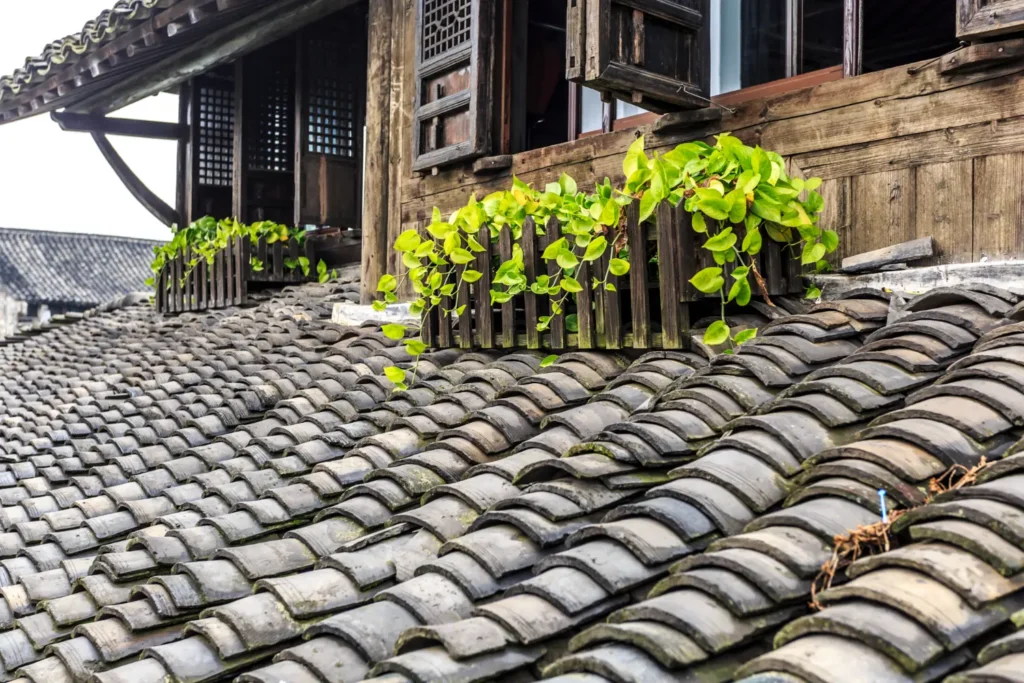
ICTESS’s Energy-Efficient and Green Roofs Training Course includes hands-on training with thermal calculation tools to verify compliance with the IECC: you will learn to use standardized spreadsheets to determine roof U-factors, check interstitial condensation with the dew point (Glaser) method, and size insulation by climate zone. You will also work with hydraulic calculation tools to size slopes and drainage systems to the IPC, and with manufacturer technical data to select complete waterproofing and green roof systems. These tools are essential for preparing project technical documentation and bid specifications.
A degree in architecture or engineering is not required, although technical training in construction, building science or building systems is recommended. The course is designed for architects, construction managers, building engineers and civil engineers, and it is also open to technicians with an associate degree in construction, superintendents with proven experience, and roofing and waterproofing professionals who work with construction documents. The course includes thermal and hydraulic calculations, so you will need to read construction drawings, handle basic heat transfer formulas, and understand material and roof system specifications.
The ICTESS Professional Certificate backs your technical specialization in energy-efficient and green roofs and is valued by sustainable construction employers as high-level professional development. Although it is not an accredited academic degree and does not by itself qualify you to seal or stamp drawings, which requires a state license as an architect or professional engineer (PE), the certificate documents specific, in-demand skills: thermal calculations to the IECC, waterproofing system design, green roof sizing with growing media and irrigation criteria, and field installation oversight. Many general contractors, architecture firms and public agencies value this hands-on training as a complement to a degree, because it shows up-to-date knowledge of sustainable solutions that formal education rarely covers in depth.
The Energy-Efficient and Green Roofs Training Course stands out for its specialized focus on the building’s fifth facade and its technical depth in construction and vegetated solutions. While many energy efficiency courses offer a general overview of energy ratings or audits, this course focuses exclusively on roofs, covering roof assembly types, slope and drainage calculations, waterproofing systems, thermal insulation, and green roofs with engineering criteria in detail. The content includes real sizing of functional layers to code, complete detailing of transitions and special conditions, vegetated system design with load and growing media analysis, and maintenance criteria to ensure durability. This specialization lets you bring concrete technical value to sustainable construction projects.