Recognized professional certificate: The ICTESS certificate backs your specialization in energy-focused construction management, strengthening your position in sustainable construction and validating your skills with contractors and developers.

Fully online technical training designed around real industry demand, so you can specialize at your own pace.
10/31/2026
Start Date
1 month
Duration
100
Total Hours
6 Modules
Program
Duration
Total Hours
Program
Start Date

ICTESS’s Energy-Focused Construction Management Training Course trains professionals to lead and oversee building construction while ensuring compliance with energy efficiency standards. The program covers the critical construction phases that determine a building’s real thermal performance: the envelope, airtightness and building systems.
You will learn to implement 4D scheduling with verifiable energy milestones, carry out quality control on insulation and windows, run blower door tests and thermography to detect air leaks, coordinate MEP systems with BMS, and manage the commissioning process through final handover. The course ends with a Capstone Project, where you apply all these skills to a complete energy-focused construction oversight project.
The Energy-Focused Construction Management Training Course responds to the critical need to turn high-performance designs into real results on site. Many buildings designed with excellent energy ratings today fall short of their expected performance because of envelope installation defects, untreated thermal bridges and a lack of airtightness control during construction.
The course prepares you to ensure that energy design decisions are built correctly. You will learn to plan energy verification milestones, oversee proper installation of insulation and windows, run airtightness tests under standardized protocols, coordinate building systems with efficiency criteria, and manage commissioning to ensure systems perform as intended before handover.
You will work hands-on with 4D scheduling tools such as Navisworks or Synchro, infrared thermography equipment for defect detection, and blower door test protocols per ASTM E779 and RESNET/ICC 380. The course ends with a Capstone Project, where you develop a complete energy-focused construction management plan using all the methods covered.
The Energy-Focused Construction Management Training Course prepares you for technical roles at general contractors, architecture firms, energy efficiency consultancies and real estate developers committed to sustainable construction. You could work as a superintendent specializing in high-performance buildings, energy quality manager, commissioning technician, or field lead on Passive House or LEED projects.
You will learn to manage construction of high-performance buildings from an energy perspective: implementing envelope control plans, overseeing insulation installation to verify continuity and thickness, running blower door airtightness tests, coordinating MEP integration with BMS, and leading commissioning and startup.
You will also be able to develop field energy verification protocols, manage nonconformances related to thermal performance, document evidence for green building certifications, and analyze real energy performance through post-occupancy monitoring. The hands-on approach lets you apply what you learn to high-performance building projects right away.
Study from anywhere with no commute. Balance your technical specialization with your work on site.
Plan your study around your own schedule. Move through the modules when it suits you and review whatever you need.
Learn from real building case studies, with protocols, checklists and tests you can apply directly on your projects.
Technical video lessons, up-to-date downloadable materials, forums with specialized tutors, and hands-on verification exercises.
With ICTESS you get specialized technical training focused on professional practice and built so you master the energy oversight skills high-performance construction demands. Learn with up-to-date methods and real field protocols.
What you'll achieve
Implement 4D scheduling with verifiable energy milestones, linking BIM models to construction schedules to control critical thermal performance points.
Oversee building envelope construction, applying quality control protocols to insulation, windows, thermal bridges and the functional layers of the facade.
Run blower door tests per ASTM E779 and RESNET/ICC 380 and interpret ACH50 results, detecting air leaks with infrared thermography and smoke tracing.
Coordinate MEP integration with BMS, ensuring protocol compatibility, proper sensor placement and efficient energy control strategies.
Manage commissioning and building turnover, verifying the operation of HVAC, lighting and renewable systems before handover to the owner.
The construction industry faces the challenge of delivering buildings that actually meet their energy efficiency goals. Energy codes such as the IECC keep raising requirements, yet there is a well-documented performance gap between designed and actual energy performance, driven mainly by construction-phase defects.
The gap between design and construction: High-performance projects lose performance when construction fails to control critical aspects such as insulation continuity, thermal bridge treatment or envelope airtightness. Specialized professionals are needed to verify on site that designed solutions are built correctly, preventing building defects and costly callbacks.
Commissioning is increasingly required: Rating systems such as LEED and standards such as Passive House require documented commissioning to verify systems before handover, and the IECC requires commissioning of mechanical systems in commercial buildings (Section C408). This creates demand for technicians trained in verification and startup protocols.
Competitive edge for field professionals: Specializing in energy-focused construction management sets professionals apart from traditional profiles. Mastering airtightness testing, thermography, BMS coordination and commissioning makes you a go-to professional on projects where energy quality is a priority.
Completing the Energy-Focused Construction Management Training Course positions you in a growing professional niche within construction. Stricter energy codes and the push toward zero energy buildings are creating demand for technicians who can ensure high-performance designs are built correctly.
A distinctive specialization in the industry: While most superintendents master structural and finish work, few control energy verification techniques. This expertise sets you apart and gives you access to projects where real energy performance is a priority.
Command of standardized tests and protocols: You will learn to run and interpret blower door tests, thermography and envelope verifications to current standards, skills highly valued by developers and contractors committed to real energy quality.
Ability to lead commissioning: Commissioning high-performance buildings is a critical phase requiring specialists. Mastering it lets you take on greater responsibility in demanding projects where functional verification is mandatory.
Recognized professional certificate: The ICTESS certificate backs your specialization in energy-focused construction management, strengthening your position in sustainable construction and validating your skills with contractors and developers.
This course is designed for construction professionals who want to specialize in overseeing and controlling energy efficiency during construction. Recommended profiles include:
Program details

The Capstone Project is the culminating stage of the course and brings together all the technical skills you develop. It involves the complete development of an energy-focused construction management plan, from scheduling through the handover protocol, using the professional methods and verification tools of high-performance building projects.
The project is based on a real or simulated building with high energy efficiency requirements. You will develop the 4D schedule with verifiable energy milestones, design envelope control protocols specifying inspection points and tolerances, define the airtightness test plan with blower door and thermography, establish MEP-BMS coordination procedures, and develop the complete commissioning protocol with functional verification checklists.
The project also includes nonconformance forms to manage deviations, a post-occupancy monitoring plan to verify real performance, and documentation of evidence for green building certifications. The final deliverable must meet the technical standard and professional format of construction quality management systems, showing that you can lead high-performance building construction while meeting its energy goals.
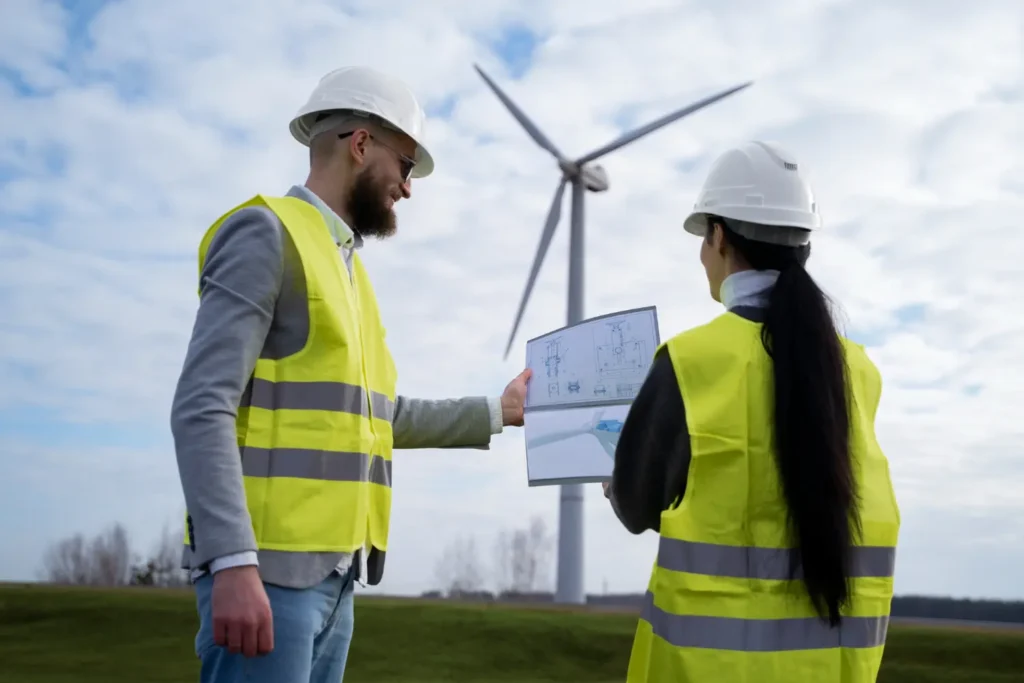
ICTESS’s Energy-Focused Construction Management Training Course includes hands-on training with the main field energy verification tools. You will learn to work with 4D scheduling software such as Navisworks or Synchro to link BIM models to schedules with energy milestones. You will master blower door test protocols per ASTM E779 and RESNET/ICC 380 to measure building airtightness and calculate ACH50. You will also work with thermal imaging cameras to detect thermal bridges, air leaks and insulation defects not visible to the naked eye. The course includes commissioning methods under international standards such as ASHRAE Guideline 0 and MEP-BMS integration protocols to coordinate building systems with building management systems. These technical skills apply directly to high-performance building projects and certifications such as Passive House or LEED.
An architecture or engineering degree is not required, although technical training in construction, building systems or energy efficiency is recommended. The course is designed for superintendents, construction managers, building engineers and energy raters, and it is also open to professionals with proven construction experience who want to specialize in energy aspects. Technicians with an associate degree in construction, building systems or energy efficiency and prior building knowledge can enroll. You will need to read technical drawings, understand U-factor and airtightness concepts, and handle construction documents. The hands-on approach lets you apply what you learn regardless of your academic background.
The ICTESS Professional Certificate backs your technical specialization in energy-focused construction management and is valued by companies building projects with green certifications. Although it does not replace official credentials such as PHIUS or Passive House Institute certifications, or the LEED AP credential, the course gives you the specific technical skills these projects require: envelope control, airtightness testing, thermal bridge treatment, systems coordination and commissioning. Many general contractors and developers building Passive House or LEED projects value this training as an essential technical complement for their field teams, because it shows command of the verification protocols these certifications require during construction. The certificate documents practical skills in high demand in the sustainable construction niche.
The Energy-Focused Construction Management Training Course stands out for focusing specifically on the construction phase, not design. While most energy efficiency programs cover thermal calculations, energy ratings or system design, this course focuses on ensuring those solutions are built correctly. The content includes practical field oversight skills: how to verify insulation continuity, which critical points to check on windows, how to run and interpret a blower door test, and which protocol to follow when commissioning HVAC systems. This approach responds to a real industry need: the gap between designed and actual building energy performance comes mainly from construction defects that specialized professionals can prevent and correct.