Ability to Ensure Installation Safety: You’ll learn to design and verify protection systems that meet code and protect people and equipment, taking on high-level technical responsibility in electrical projects.

Fully online technical training designed around real industry demand, so you can specialize at your own pace.
10/31/2026
Start Date
2 months
Duration
100
Total Hours
6 Modules
Program
Duration
Total Hours
Program
Start Date
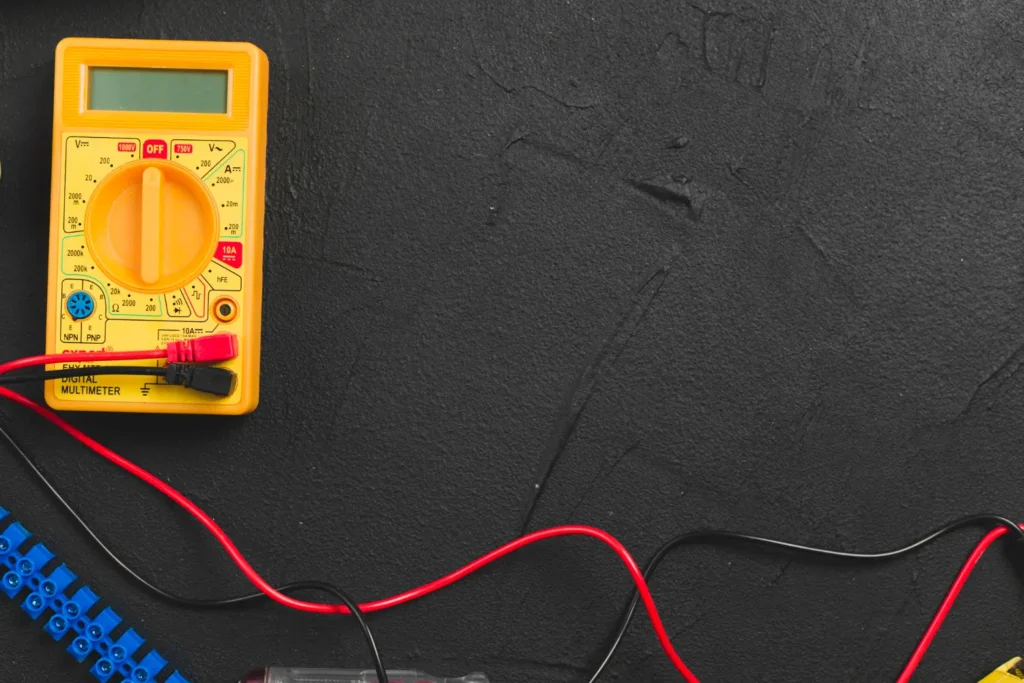
ICTESS’s Grounding Systems and Electrical Testing Training Course is designed to train specialists in the design, calculation, installation, and verification of grounding systems for low- and medium-voltage electrical installations. The program covers the standard grounding system configurations recognized under IEC 60364 (TT, TN, and IT) alongside professional testing and maintenance techniques used in the field.
You’ll learn the technical calculations behind soil resistivity, electrode and grounding grid sizing, verifying ground resistance with ground resistance testers, continuity testing of equipment grounding conductors, and coordinating grounding systems with ground-fault protective devices. The course includes a capstone project where you’ll apply everything you’ve learned to design and verify a complete grounding system for a real installation.
The Grounding Systems and Electrical Testing Training Course addresses a critical need in the electrical industry: protecting people and equipment against insulation faults and indirect contact. Applicable codes require that every installation have a grounding system that is properly sized and verified, with resistance values low enough to ensure protective devices trip effectively in the event of a fault.
The course’s purpose is to train professionals who can design grounding systems suited to each type of installation and distribution scheme. You’ll learn to evaluate soil resistivity using the Wenner four-point method, size electrodes and grounding grids to meet code requirements, take field measurements with professional ground resistance testers, verify the continuity of equipment grounding conductors, and coordinate grounding with ground-fault protective devices to guard against indirect contact.
The training also covers the professional test equipment used in official verifications (ground resistance testers, loop impedance testers, and ground-fault device testers) and culminates in a capstone project where you’ll develop a complete grounding design and verification project applying every skill acquired.
The Grounding Systems and Electrical Testing Training Course prepares you for specialized technical roles at licensed electrical contractors, industrial maintenance departments, electrical engineering firms, and third-party inspection agencies. You can work as an installation verification technician, an electrical maintenance lead, a grounding systems designer, or an electrical safety technician in industrial and commercial facilities.
The training prepares you to manage grounding projects from design through final verification: performing soil resistivity studies, sizing electrodes and grounding grids in accordance with the National Electrical Code (NEC), running official field measurements with ground resistance testers, preparing technical verification reports, and ensuring proper coordination between grounding and ground-fault protective devices.
You’ll also build the skills to audit existing installations, identify deficiencies in grounding systems, propose corrective solutions, and prepare technical documentation for code compliance submittals. The hands-on approach lets you apply what you learn directly to real-world verifications and projects.
Study from anywhere with no commuting required. Balance your technical specialization with your current professional career.
Organize your study schedule around your own availability. Move through modules at the pace that works best for you and revisit anything you need extra practice with.
Learn to use ground resistance testers, loop impedance testers, and ground-fault device testers following official verification methodology.
Technical video lessons, up-to-date code references, forums with specialized instructors, and hands-on calculation and testing exercises.
With ICTESS, you’ll get specialized technical training focused on professional practice and designed to help you master the skills the electrical industry demands in safety and protection. Learn with an up-to-date methodology and real measurement equipment.
What you'll achieve
Identify and correctly apply grounding system configurations (TT, TN including TN-S, TN-C, and TN-C-S, and IT) in line with applicable code, selecting the appropriate protective devices for each configuration.
Design grounding grids and electrodes by calculating soil resistivity with the Wenner method and sizing systems to meet National Electrical Code (NEC) grounding requirements.
Execute ground resistance measurements with professional ground resistance testers and verify the continuity of equipment grounding conductors following standardized verification protocols.
Coordinate grounding systems with ground-fault protective devices to ensure effective tripping in the event of indirect contact, based on required trip times and touch voltage limits.
Implement preventive maintenance programs for grounding systems, diagnose deficiencies in existing installations, and prepare technical verification reports.
Electrical safety is an absolute priority in every installation, and grounding is the fundamental line of defense against indirect contact. The National Electrical Code (NEC) sets increasingly strict requirements to ensure grounding systems perform reliably throughout the life of an installation. Grounding failures are a frequent cause of serious electrical accidents and fires triggered by undetected insulation faults.
A Shortage of Verification Specialists: The job market faces a shortage of technicians who can perform ground testing with real technical rigor and prepare documentation valid for code inspections. Many installers put in grounding systems without mastering verification methods or the criteria for coordinating with ground-fault protective devices, which compromises the actual safety of the installation.
Increasingly Demanding Codes and Standards: Code updates are setting stricter requirements for the initial and periodic verification of grounding systems. Authorities having jurisdiction increasingly demand rigorous technical documentation, driving demand for professionals who can perform measurements and prepare reports at a professional level.
A Competitive Edge in the Job Market: Specializing in grounding and electrical testing sets you apart significantly from generalist profiles. Mastering measurement techniques, applicable code, and protection coordination positions you as a top candidate at contractors, engineering firms, and industrial maintenance departments.
Completing the Grounding Systems and Electrical Testing Course positions you as a specialist in a critical area with strong demand. Every installation requires a properly designed and verified grounding system, creating ongoing demand for technicians at contractors, maintenance departments, and inspection agencies.
Access to Specialized Technical Roles: You can pursue roles like verification technician, electrical safety lead, protection systems designer, or specialized maintenance technician. Specializing in grounding and electrical testing opens doors to higher-responsibility projects in industrial and commercial facilities.
Mastery of Professional Test Equipment: Proficiency with ground resistance, loop impedance, and ground-fault testers sets you apart in hiring, as this equipment is essential for official verifications. Hands-on mastery shows you can take measurements with the rigor authorities require.
Ability to Ensure Installation Safety: You’ll learn to design and verify protection systems that meet code and protect people and equipment, taking on high-level technical responsibility in electrical projects.
Recognized Professional Certificate: The ICTESS professional certificate validates your technical specialization in grounding and electrical testing, strengthening your position in the electrical and industrial job market.
This course is designed for professionals and technicians looking to specialize in the design, installation, and verification of grounding systems for low- and medium-voltage installations. Recommended profiles include:
Program details

The capstone project is the culminating stage of the program and represents the practical integration of every technical skill developed throughout the course. It involves developing a complete grounding design and verification project for a real installation, from analyzing the distribution scheme through to preparing the final technical report, applying the professional methods and test equipment used across the industry.
The project is based on an installation that requires a complete grounding system design for its corresponding distribution scheme (TT, TN, or IT). You’ll carry out a soil resistivity study using the Wenner method, size electrodes and conductors to meet National Electrical Code (NEC) requirements, calculate the ground resistance needed to ensure safe trip times, design the equipotential bonding layout, and verify coordination with ground-fault protective devices.
The project also includes defining the measurement protocol to be carried out, simulating verifications with ground resistance and loop impedance testers, analyzing results against applicable code criteria, and preparing a technical verification report in the professional format authorities having jurisdiction require. The final documentation must demonstrate your ability to design safe grounding systems and perform verifications with the technical rigor official installation approvals demand.
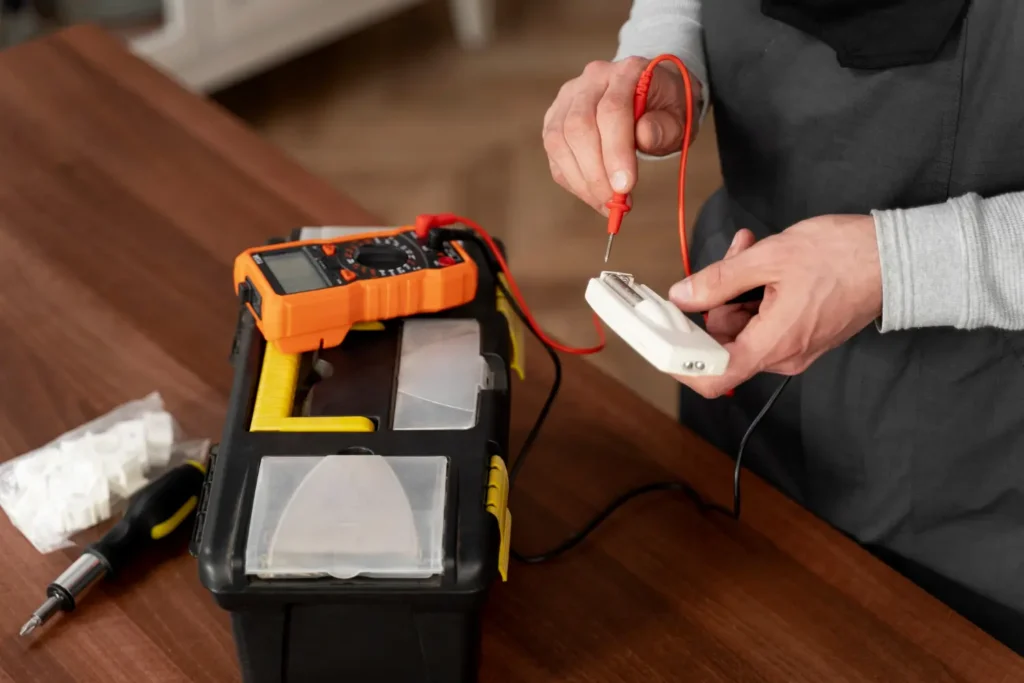
ICTESS’s Grounding Systems and Electrical Testing Training Course includes hands-on training with the standard test equipment used in professional verifications: ground resistance testers using three- and four-point methods, soil resistivity meters for applying the Wenner method, continuity testers for verifying equipment grounding conductors, loop impedance testers for calculating fault-current path impedance, and ground-fault device testers for verifying trip times and currents. You’ll learn to use this equipment following the standardized protocols authorities having jurisdiction require, correctly interpreting results and documenting them in professional technical reports. Mastering these instruments is essential for performing initial and periodic verifications with official validity.
Holding an electrical contractor license isn’t required, but technical training in electricity or demonstrable professional experience in the field is recommended. The course is designed for electrical contractors, maintenance technicians, electrical and industrial engineers, and professionals who work with electrical installations. A solid foundation in basic electricity, reading electrical schematics, and familiarity with the National Electrical Code (NEC) is essential. The program includes resistivity calculations, electrode sizing, and measurement interpretation, so being comfortable with basic technical math and core electrical concepts is necessary to get the most out of the training.
The ICTESS professional certificate validates your technical specialization in grounding and electrical testing and is recognized by companies in the sector as high-level supplementary training. While official verifications require the professional to work through a licensed contractor or an authorized inspection agency, the certificate documents specific, highly valued technical skills: mastery of professional test equipment, in-depth knowledge of applicable code, the ability to run verification protocols, and the preparation of rigorous technical reports. Contractors and maintenance departments especially value this hands-on training because it shows you’re current on measurement techniques and today’s code criteria.
This Grounding Systems and Electrical Testing Training Course stands out for its specialized focus on a critical safety area that many general courses barely touch on. While typical electrical installation courses cover many topics at a surface level, this program dives deep into indirect-contact protection systems: a detailed look at the three grounding configurations (TT, TN, and IT), soil resistivity calculations and electrode sizing, professional ground resistance testing techniques, coordination between grounding and ground-fault protective devices, and preparing reports for official verifications. The content includes real methodologies used by verification technicians and inspection agencies, with standardized measurement protocols and code-based acceptance criteria.