
Fully online technical training designed around real industry demand, so you can specialize at your own pace.
10/24/2026
Start Date
1 month
Duration
100
Total Hours
6 Modules
Program
Duration
Total Hours
Program
Start Date
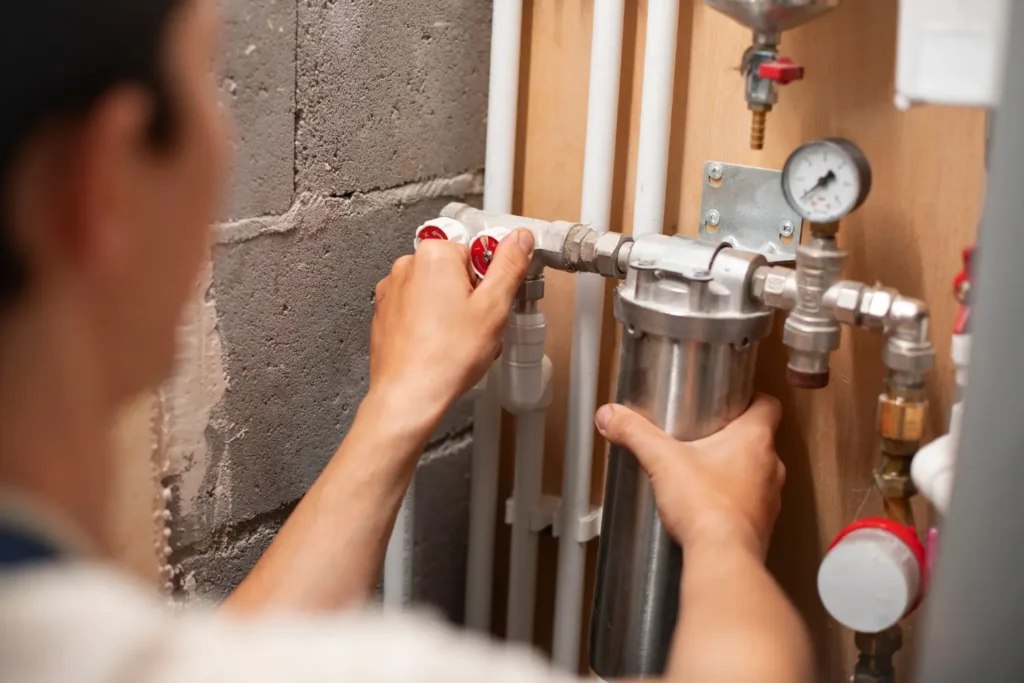
ICTESS’s Legionella Prevention in DHW Systems Training Course delivers specialized technical training in identifying, controlling, and eliminating Legionella pneumophila in domestic hot water (DHW) systems. The program covers microbiological risk factors, biofilm formation, and the response protocols aligned with ASHRAE Standard 188 and CDC guidance for building water management programs.
You will learn to identify critical control points in DHW networks, execute thermal and chemical shock disinfection following industry-standard procedures, configure automatic dosing equipment, and carry out analytical verification consistent with recognized water safety protocols. The course includes a Capstone Project where you will apply your knowledge to design a complete prevention plan for a real facility.
Legionnaires’ disease remains a serious public health concern that requires trained professionals capable of managing high-risk water systems. Building owners and facility managers face growing obligations to implement documented water management programs, driving demand for technicians who specialize in microbiological prevention and control and who can help facilities stay ahead of health department requirements.
The purpose of this course is to train professionals who can assess the risk of Legionella proliferation in water systems, design prevention plans tailored to each facility type, execute corrective treatments when contamination is detected, and maintain the technical documentation that health authorities expect through systematic operational records.
The training covers dosing equipment, monitoring systems for physicochemical parameters, and sampling and analysis methodologies aligned with recognized standards such as ISO 11731. The program concludes with a Capstone Project in which you will develop a complete prevention plan, applying every technical competency gained throughout the course.
The Legionella Prevention in DHW Systems Training Course prepares you for technical roles at facility maintenance companies, property management firms, hospital technical services, hotels, senior living communities, and any facility with high-risk water systems. You can pursue work as a Legionella prevention technician, water management program coordinator, risk assessment auditor, or specialist at a water treatment company.
The training prepares you to conduct risk assessments on DHW systems, design and implement prevention and control plans, execute thermal and chemical disinfection treatments, configure automatic dosing systems, and prepare the technical documentation required for health inspections.
You will also build skills to interpret laboratory analytical results, recommend improvements to existing systems, train maintenance staff on best practices, and manage compliance reviews with regulatory bodies. The program’s hands-on approach lets you apply what you learn directly to real-world facilities.
Study from anywhere with no commute required. Balance this technical specialization with your current professional schedule.
Organize your study time around your own availability. Move through the modules at your pace and revisit topics whenever you need reinforcement.
Training built around ASHRAE Standard 188 and CDC water management guidance. Learn the protocols and documentation practices that health inspections require.
Technical video lessons, downloadable and regularly updated materials, forums staffed by specialized instructors, and real-world case studies of facility systems.
With ICTESS, you will receive specialized technical training in Legionella prevention, built for professional practice and designed to help you master the competencies that water safety standards demand in DHW systems.
What you'll achieve
Identify microbiological risk factors and the conditions that promote biofilm formation in domestic hot water systems, in line with current water safety standards.
Locate critical control points in DHW networks and establish documentation protocols consistent with ASHRAE Standard 188 and recognized technical guidance.
Execute thermal and chemical shock treatments by applying standardized procedures, correct dosing, and safety measures for both operators and facilities.
Configure and maintain automatic dosing equipment and monitoring systems for physicochemical parameters, including temperature, residual chlorine, and pH, in high-risk facilities.
Conduct analytical verification using standardized sampling techniques and manage compliance reviews with the technical documentation that regulatory bodies require.
Legionnaires’ disease cases continue to be reported across the United States each year, with outbreaks capable of affecting multiple people at once when facilities fail to maintain adequate water system controls. Regulatory expectations for facility owners keep tightening, and non-compliance can carry significant liability, including civil and, in serious cases, criminal exposure.
A more demanding regulatory landscape: Water safety expectations in the United States have shifted toward stricter documentation requirements, control frequencies, and qualification standards for personnel performing preventive maintenance. Facility owners need professionals trained specifically to support compliance with ASHRAE 188 and local health department requirements and to avoid administrative penalties.
A growing base of high-risk facilities: The number of buildings with centralized DHW systems, cooling towers, spas, heated pools, and irrigation systems using aerosol-generating sprinklers keeps growing. Each new facility requires a tailored prevention plan and qualified personnel to manage it, driving sustained demand for specialized technicians.
Professional and public health responsibility: Legionella outbreaks carry serious public health consequences and can create civil and criminal liability for facility owners and responsible technicians. Specialized training provides the competencies needed to manage facilities with rigorous technical standards and minimize health risks.
Completing the Legionella Prevention in DHW Systems Training Course positions you in a technical field with growing demand, driven by the compliance obligations that affect thousands of facilities across the United States. Hotels, hospitals, senior living communities, recreational facilities, and public buildings all need qualified professionals who can support water management program compliance.
Compliance support for businesses: Many maintenance companies and contractors need to demonstrate specific training in Legionella prevention to provide services at high-risk facilities. This specialization gives you access to a regulated market with barriers to entry that limit competition.
Expanded service offerings: If you already work in plumbing, HVAC, or facility maintenance, this training lets you add Legionella prevention and control services as an added value, growing your client base and setting yourself apart from competitors without this specialization.
Highly specific technical skills: You will master response protocols, sampling techniques, analytical interpretation, and documentation management that general training programs do not cover. This specialized knowledge is essential for properly managing high-risk facilities.
Recognized professional certificate: ICTESS’s professional certificate validates your technical specialization in Legionella prevention and control, strengthening your standing with employers looking for technicians with accredited training in this area of water safety.
This course is designed for technical professionals who work with water systems and need to specialize in Legionella prevention aligned with current water safety standards. Recommended profiles include:
Program details

The Capstone Project is the culminating stage of the training and represents the practical integration of every technical competency developed throughout the program. It consists of developing a complete Legionella prevention and control plan for a real facility, applying the professional methodologies and protocols required under current water safety standards.
The project must include a full characterization of the selected facility, identifying every risk element and critical control point. You will design a preventive maintenance program with operational frequencies, establish applicable thermal and chemical treatment protocols, define control parameters and their reference values, and prepare documentation models consistent with ASHRAE Standard 188.
The project also includes designing an analytical sampling plan with justified sample collection points, specifying the dosing and monitoring equipment needed, and developing a response protocol for positive test results. The final documentation must follow the professional technical format that health inspections expect, demonstrating your ability to develop complete prevention plans that meet every applicable requirement for high-risk facilities.
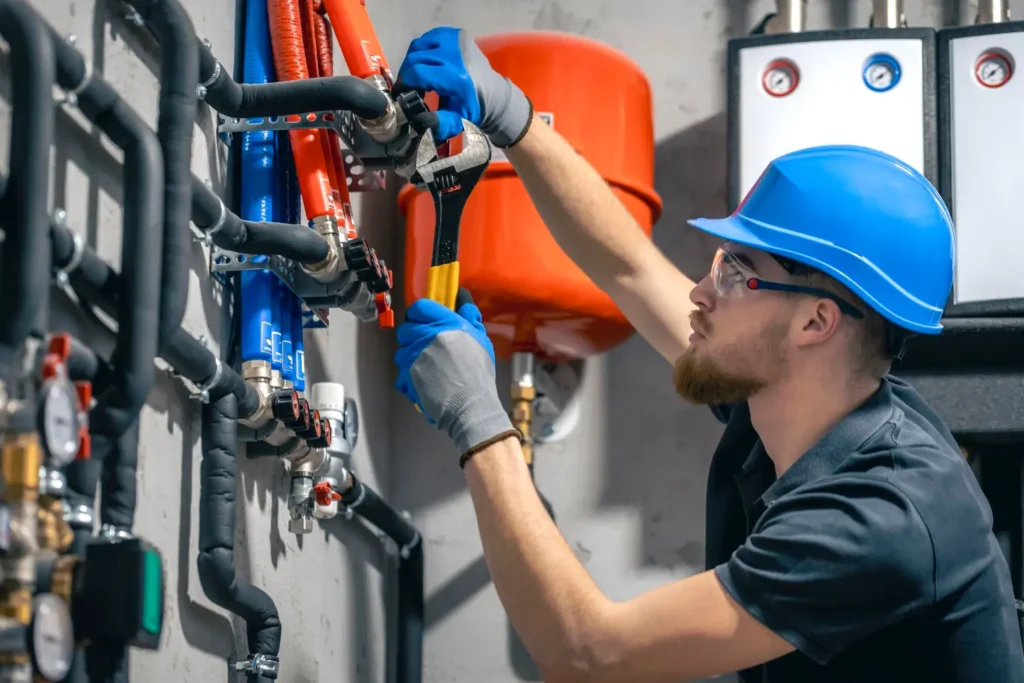
ICTESS’s Legionella Prevention in DHW Systems Training Course trains you in the practical application of ASHRAE Standard 188, the recognized US framework for Legionellosis risk management in building water systems, along with CDC guidance for developing a water management program. You will learn to interpret documentation requirements, minimum control frequencies, reference parameter values, and response protocols for incidents. You will also work with standardized sampling and culture methods such as ISO 11731, along with the state and local health department requirements that may apply in your area. Mastering this framework is essential for designing compliant prevention plans and managing health inspections effectively.
A plumbing license is not required, although a basic understanding of water systems and familiarity with DHW network components (storage tanks, heat exchangers, distribution networks, terminal outlets) is recommended. The course is designed for maintenance technicians, installers, technical services managers, and water sector professionals who need to specialize in Legionella prevention. If you work in building maintenance, HVAC, water treatment, or facility management, you will have a strong enough foundation to get the most out of the training. The content includes accessible technical explanations of microbiology and biofilm formation, so no prior specialized knowledge in that area is required.
ICTESS’s professional certificate validates your specialized technical training in Legionella prevention and control, documenting the competencies you gained in risk identification, prevention plan design, treatment execution, and documentation management. To perform disinfection treatments at third-party facilities as a professional service, you should verify the specific requirements in your state, since licensing, registration, or certification requirements for water treatment providers vary. ICTESS training gives you the technical knowledge employers in this field value as a complementary specialization. Many students use this training to meet qualification requirements at maintenance companies or to expand the services they offer in their professional practice.
ICTESS’s Legionella Prevention in DHW Systems Training Course stands out for its practical, facility-focused approach and its alignment with current US water safety standards. While many courses offer generalist theoretical content, this program includes practical case studies on identifying critical control points across different facility types, calculating dosing for chemical treatments, interpreting laboratory analytical results, and preparing technical documentation consistent with inspection requirements. The content covers both DHW systems and other high-risk systems, such as cooling towers, spas, and irrigation systems, giving you a complete view of the field. The Capstone Project lets you develop a full prevention plan you can use as a professional reference.