
Fully online technical training designed around real industry demand, so you can specialize at your own pace.
10/31/2026
Start Date
2 months
Duration
100
Total Hours
6 Modules
Program
Duration
Total Hours
Program
Start Date
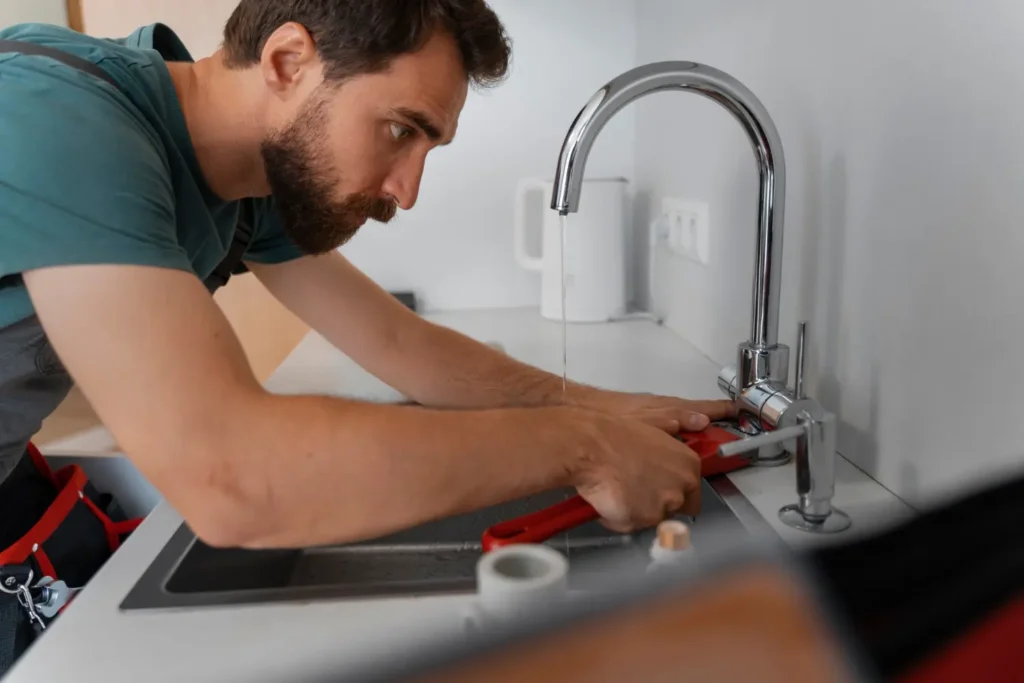
ICTESS’s Residential Plumbing Training Course delivers complete technical training to install water supply systems in residential settings. The program covers everything from interior distribution system design to the installation of plumbing fixtures, including every skill you need to work on domestic cold water and domestic hot water (DHW) systems.
You will learn pipe sizing calculations using water supply fixture units (WSFU), joining techniques for different materials (copper, PEX-AL-PEX, PP-R), criteria for selecting valves and fittings, and professional leak detection methods using specialized equipment. The course includes a Capstone Project where you will apply everything you have learned to the design and planning of a complete residential plumbing installation.
Plumbing maintains a steady demand for qualified professionals who can deliver reliable, professional work. Increasingly demanding plumbing codes such as the IPC and UPC, along with new material technologies, call for up-to-date technicians who master both traditional techniques and modern water distribution systems in residential buildings.
The purpose of the course is to train professionals who can deliver complete interior plumbing installations: from sizing the system under current codes to the final installation of fixtures with a professional finish. You will learn to calculate pipe diameters, lay out optimized routes, make leak-tight connections with different joining techniques, install DHW systems, and perform pressure tests following established protocols.
The training includes professional techniques for detecting and locating leaks using equipment such as acoustic ground microphones and thermal imaging cameras. It concludes with a Capstone Project in which you will develop a complete plumbing installation project applying every technical competency you have gained.
The Residential Plumbing Training Course prepares you for technical roles at plumbing contractors, building maintenance companies and condominium or HOA maintenance services. It also prepares you to work independently once you meet your state licensing requirements. You can work as a plumbing installer, plumbing maintenance technician, lead plumbing technician, or service and repair lead in residential settings.
The training prepares you to deliver complete installations from the home’s water service entry: laying out distribution systems, sizing pipes based on design demand, making joints and connections with different materials and techniques, installing plumbing fixtures with their traps and drains, and installing DHW systems.
You will also build skills to diagnose failures, locate hidden leaks with non-destructive techniques, perform preventive maintenance on existing systems, and propose water efficiency improvements. The hands-on approach lets you apply what you learn directly to real jobs in the trade.
Study from anywhere, with no commute. Fit this technical specialization around your current work schedule.
Plan your study time around your own availability. Move through the modules at your own pace and go back to any topic you want to reinforce.
Content based on real installation cases. Learn the techniques and procedures professionals use on the job.
Technical video lessons with practical demonstrations, downloadable schematics, forums with specialized instructors and exercises.
With ICTESS, you will receive specialized technical training in residential plumbing, focused on professional practice and designed to help you master the skills the plumbing industry demands. You will learn with an up-to-date methodology and real cases.
What you'll achieve
Size interior domestic cold water and DHW distribution systems using water supply fixture units, peak demand and maximum velocity criteria under the IPC or UPC.
Install plumbing systems with different materials (copper, PEX-AL-PEX, PP-R, PEX), mastering soldering, press fitting and heat fusion joining techniques.
Set plumbing fixtures (lavatories, toilets, showers, bathtubs, kitchen sinks) with their faucets, traps and drain connections according to technical specifications.
Apply professional techniques to detect hidden leaks using specialized equipment (acoustic ground microphones, leak noise correlators, thermal imaging cameras) while minimizing destructive work.
Perform preventive and corrective maintenance on existing plumbing systems, diagnosing failures and completing repairs to professional standards.
Plumbing is a cornerstone of residential construction and stays consistently active in both new construction and remodeling. Much of the existing housing stock has plumbing systems that need upgrades, maintenance or repair, which creates ongoing demand for qualified plumbing technicians.
Shortage of trained professionals: The job market lacks plumbers with up-to-date technical training. Many professionals learned the trade on the job without structured training in current codes or modern installation techniques. That creates opportunities for technicians with documented training who can deliver professional results.
Technological evolution in the trade: Plumbing materials and techniques have changed substantially in recent decades. PEX-AL-PEX systems, press fittings, manifold distribution systems and leak detection techniques require specific training that many working professionals do not have, creating demand for up-to-date specialists.
Increasingly demanding codes: Compliance with the IPC or UPC, and with water efficiency requirements and programs such as EPA WaterSense, calls for professionals who know the technical requirements, sizing calculations and installation procedures under current standards. Specialized training positions you as a professional who can deliver code-compliant installations.
Completing the Residential Plumbing Course positions you in a field with stable demand. Plumbing systems need qualified professionals for new construction and for maintaining and repairing existing housing, creating ongoing opportunities at plumbing contractors and service companies.
Access to a stable job market: Plumbing demand holds steady because homes always need installations, maintenance, and repairs. Technical specialization sets you apart from professionals without documented training and gives you access to greater responsibility.
Up-to-date technical skills: You’ll master modern installation techniques with current materials (PEX-AL-PEX, PP-R, PEX) alongside traditional systems, adapting to any job. Employers highly value knowledge of current codes and procedures.
Professional diagnostic ability: The leak detection and troubleshooting techniques you will learn let you offer high-value specialized services, setting you apart from installers who only do new construction and cannot solve complex problems.
Recognized professional certificate: ICTESS’s professional certificate validates your technical specialization in residential plumbing, strengthening your position in the job market and demonstrating your skills to plumbing contractors and homeowners.
This course is designed for professionals and individuals who want to specialize in the installation and maintenance of residential plumbing systems. Recommended profiles include:
Program details

The Capstone Project is the culminating stage of the training and represents the practical integration of every technical competency developed throughout the program. It consists of a complete residential plumbing installation project, from needs analysis through installation planning, applying the professional methodologies and technical criteria used in the trade.
The project covers the design of an interior plumbing installation for a typical home, including sizing the distribution system under the IPC or UPC, calculating demand in water supply fixture units, selecting pipe diameters using velocity and friction loss criteria, defining the DHW system, and specifying the required materials and fittings. You will prepare installation schematics showing pipe routes, shutoff valve locations and fixture points.
The project also includes planning the installation process, defining pressure tests according to protocol, and providing preventive maintenance recommendations for the system. The final documentation must meet the technical level and professional organization that plumbing projects demand. It must show that you can plan complete jobs with technical judgment and produce clear documentation that allows the work to be carried out in the field.
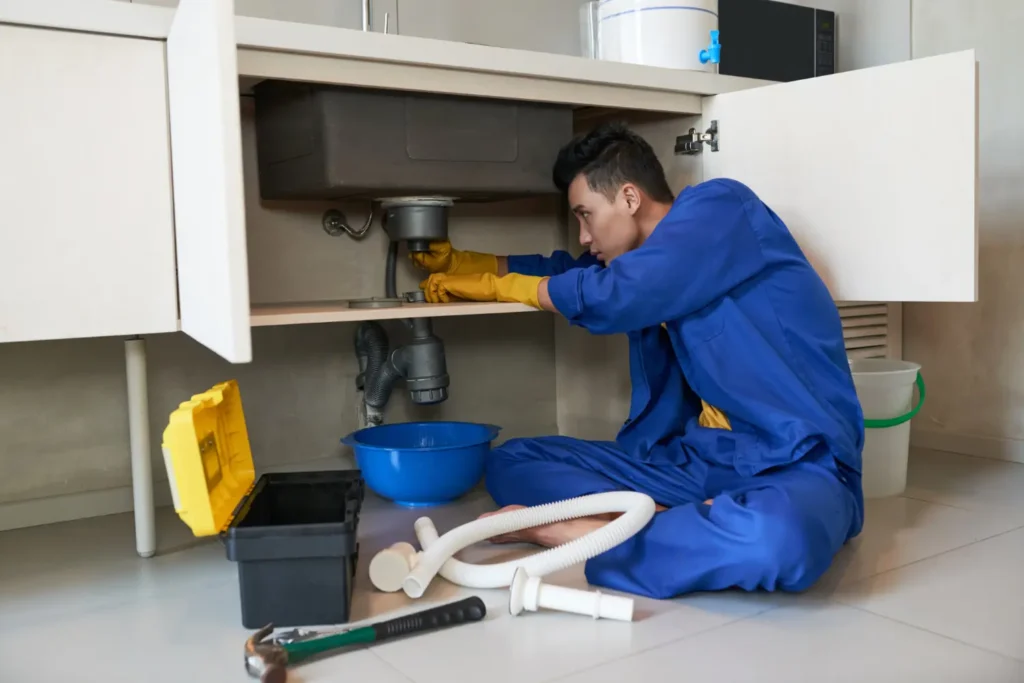
ICTESS’s Residential Plumbing Training Course covers the main installation techniques used in the trade today: torch soldering of copper, press fittings for PEX-AL-PEX and copper, PP-R heat fusion, and mechanical connections with compression fittings. You will learn to use professional tools such as pipe cutters, benders, manual and battery-powered press tools, and pressure testing equipment. In the leak detection module you will learn how acoustic ground microphones, leak noise correlators and thermal imaging cameras locate hidden leaks without unnecessary demolition. Mastering these techniques and tools is essential to deliver work with a professional finish and troubleshoot failures efficiently.
Previous experience is not required, although basic DIY skills or familiarity with manual work are recommended. The course follows a progressive structure, starting with the fundamentals of materials and basic techniques before moving on to more specialized content. If you already work as a plumber’s helper or in related fields (construction, maintenance, remodeling), the program will help you organize and expand your knowledge on a solid technical foundation. For people without prior experience, the course provides all the necessary fundamentals, although later practice in real settings will be important to build the hands-on skills the trade requires.
ICTESS’s professional certificate validates your technical training in residential plumbing and documents specific skills that employers in the trade value: knowledge of the IPC and UPC, command of installation techniques with different materials, system sizing, and leak detection and maintenance skills. It does not replace a state plumbing license or a registered apprenticeship program, but it complements your training and shows up-to-date knowledge of modern materials and professional procedures. Many plumbing contractors especially value this hands-on technical training as proof of current knowledge, since it covers content that professionals trained years ago may not have mastered.
The Residential Plumbing Training Course stands out for its complete technical approach and its hands-on professional focus. Many courses stick to general theoretical explanations. This program goes deep into sizing calculations under current codes, joining techniques for every material on the market today, and professional leak detection methods that basic training rarely includes. The content replicates real work situations: from analyzing an existing installation to carrying out a complete remodel, including troubleshooting complex failures. The Capstone Project also requires you to integrate everything you have learned into an applicable project, building skills you can show to employers or clients.